


Published : 02 Aug 2017, 10:57 AM
Updated : 19 Oct 2022, 03:42 PM


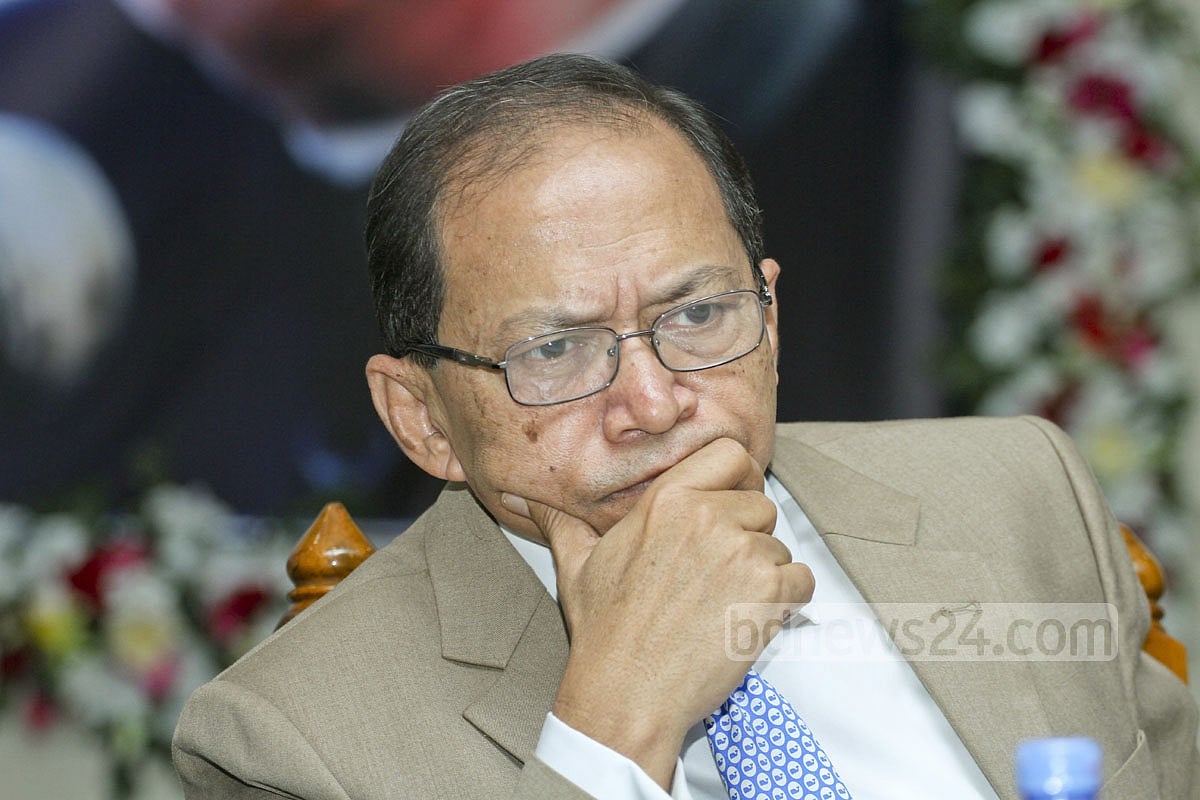
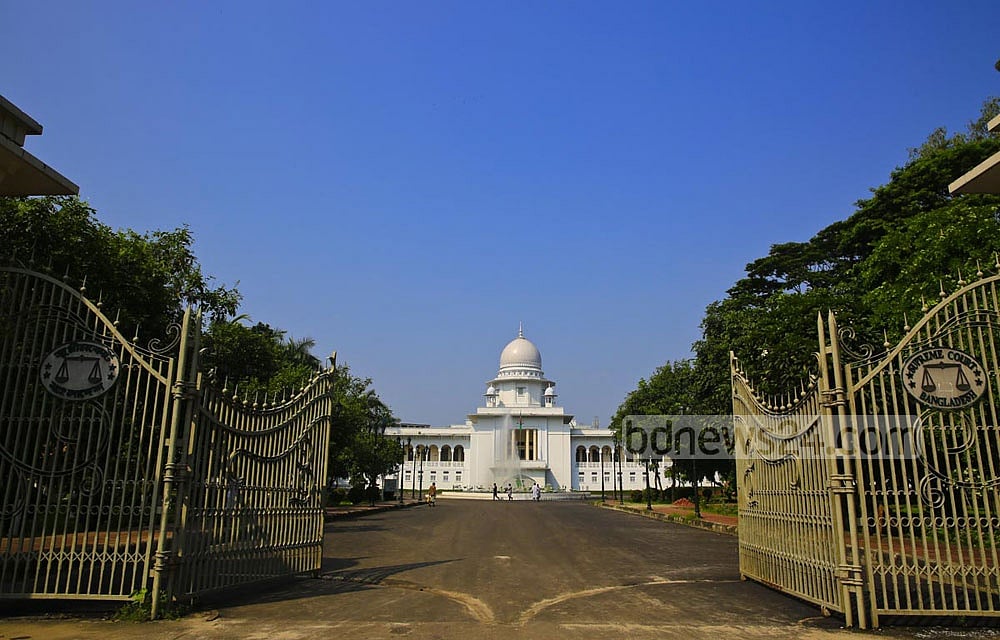
The chief justice’s observation was included in the Supreme Court’s full verdict to declare the impeachment of judges by parliament illegal.
The 799-page text of the verdict reached by the appellate judges on Jul 3 was released on Tuesday.
It is no less important, perhaps even more important, that the independence of the judiciary should be placed beyond question, Justice Sinha wrote. “To establish the rule of law, the subordinate judiciary must also be independent and impartial.”
However, in the fourth amendment to the constitution, regulatory power over lower court judges was transferred from the Supreme Court to the president, which clashes with the basic framework of the constitution, he said.
It is in direct conflict with Article 109, which empowers the High Court to have “superintendence and control” over all courts and tribunals subordinate to it.
Justices Nazmun Ara Sultana and Mirza Hussain Haider agreed with the chief justice’s observation, while Justice Hasan Foez Siddique dissented.
Justices Md Abdul Wahhab Miah, Syed Mahmud Hossain and Muhammad Imman Ali declined to comment on the matter, saying it was beyond the scope of the decision.













