


Published : 30 Mar 2022, 07:39 PM
Updated : 18 Jul 2022, 02:39 PM


Sylhet Counterterrorism Tribunal Judge Nurul Amin Biplob sentenced four people to death for the seven-year-old murder. But he acquitted controversial blogger Shafiur Rahman Farabi.
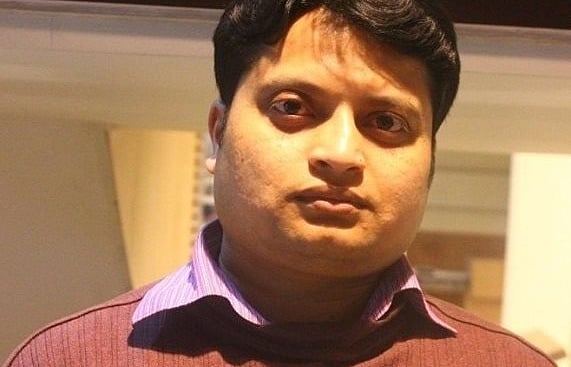
Secular blogger Das, who was also an organiser of Sylhet Ganajagaran Mancha, was hacked to death in front of his house at Sylhet’s Subidbazar on May 12, 2015.
The four capital punishment recipients are Abul Hossain, 25, Faysal Ahmed, 27, Mamunur Rashid, 25, and Abul Khayer Rashid Ahmed, 24.
“The killers are members of an organised group. They killed Das in a planned way,” the judge said while delivering the verdict.
“Das was a person of scientific and progressive thoughts. He was involved in the practice of free thinking through his writing in the blog. The extremists brutally killed him in broad daylight to suppress his fundamental right to free speech and to forever silence his pen.”
“The killers were intended to terrorise those who believe in science and progressive thoughts and pen or speak against religious fundamentalism.”
“The death sentence of four in the case is a landmark verdict. Justice has been established through the verdict,” public prosecutor Muminur Rahman Titu said.
Das was hacked to death in front of his house at Sylhet’s Subidbazar on May 12, 2015.
A banker by trade, Das also wrote on science topics and edited a science magazine named ‘Jukti’. He was also an organiser of the local Ganajagaran Mancha.
His elder brother Ratneshwar Das started a murder case at Sylhet’s Airport Police Station a day after his death.
The case alleged that Das was killed in a pre-planned attack by religious extremists for writing about science.
“The murder of the victim was a heinous crime committed by the accused by instilling fear in people’s minds and disrupting public safety. It tarnished the international image of Bangladesh. Other militants, on the contrary, would be encouraged to carry out such crimes if these ones are not handed down exemplary punishment.”
Farabi was behind bars in another case during the killing of Das. He was acquitted as the allegations against him of aiding and abetting murder were not proved, according to the court.













