


Published : 11 Apr 2017, 11:06 PM
Updated : 19 Oct 2022, 03:32 PM



Also Read:
Trust deficit holds back BIMSTEC: ExpertsAt a conference in the capital on Tuesday, business leaders and experts brought up some of the issues that stand in the way of their businesses with the neighbours and sought government actions.
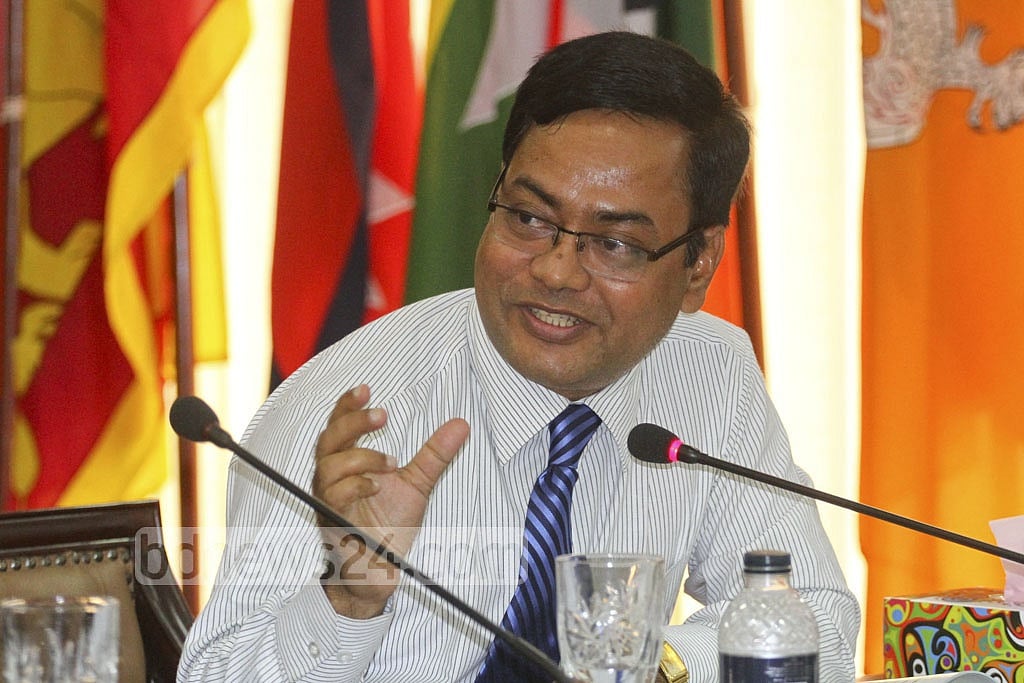
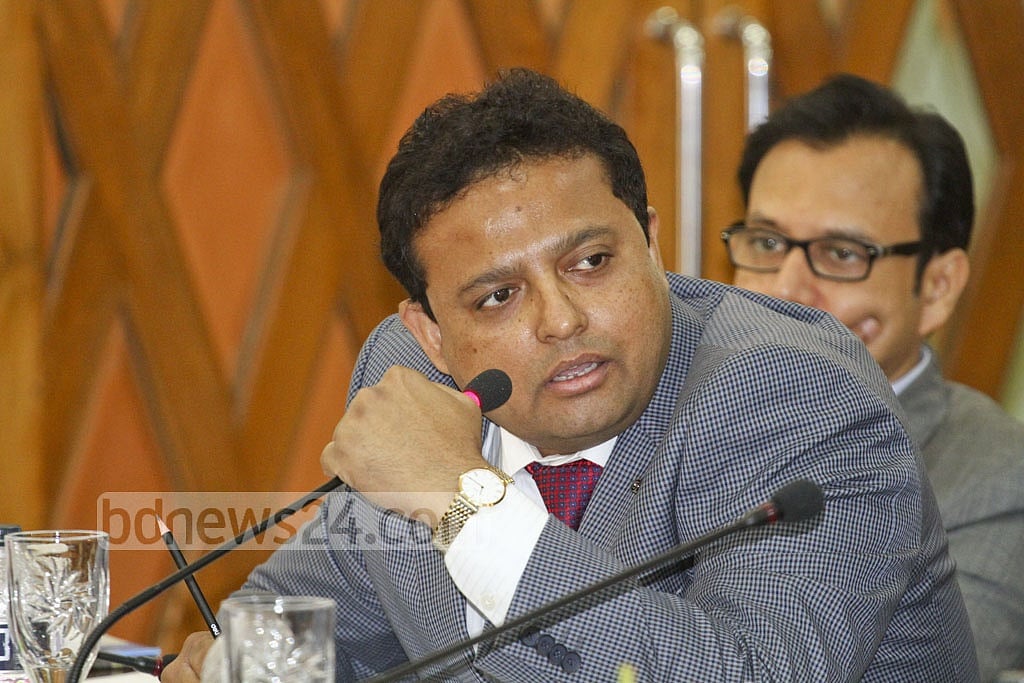
“Distance is not everything when it comes to connectivity,” said Tanveer Islam, General Manager of Pran-RFL Group that has a strong presence in the India’s northeast states with its consumer products.
“If a truck loaded with goods reaches the Benapole border today, it will take 36 hours to cross the Indian border. It costs $600 to ship a consignment to neighbouring Yangon from Chittagong whereas the same costs only $20 to China and $30 in Singapore,” he said.
“We have to face the stark truth when it comes to telecommunication connectivity,” he said. “It's cheaper to phone in the US than in India. It costs only Tk 6 (a minute) in the US while it takes Tk12 to Calcutta, and Tk18 to Nepal and Bhutan”.
He said the trade cost between Bangladesh and Bhutan is 268 percent while it is 345 percent with Myanmar, 244 percent with Nepal and 123 percent with India.
“Compared to that, it is 125 percent when it comes to trade with the UK and the US,” he said, adding that “there is huge room to cut trade cost and it comes through connectivity”.
Jayantha Colombage, director of the Centre for Indo-Lanka Initiatives of the Pathfinder Foundation, shared his personal experience while describing setbacks to connectivity.
“How can we enhance connectivity when we have so strict visa?” he said, asking the BIMSTEC to look into those issues.”
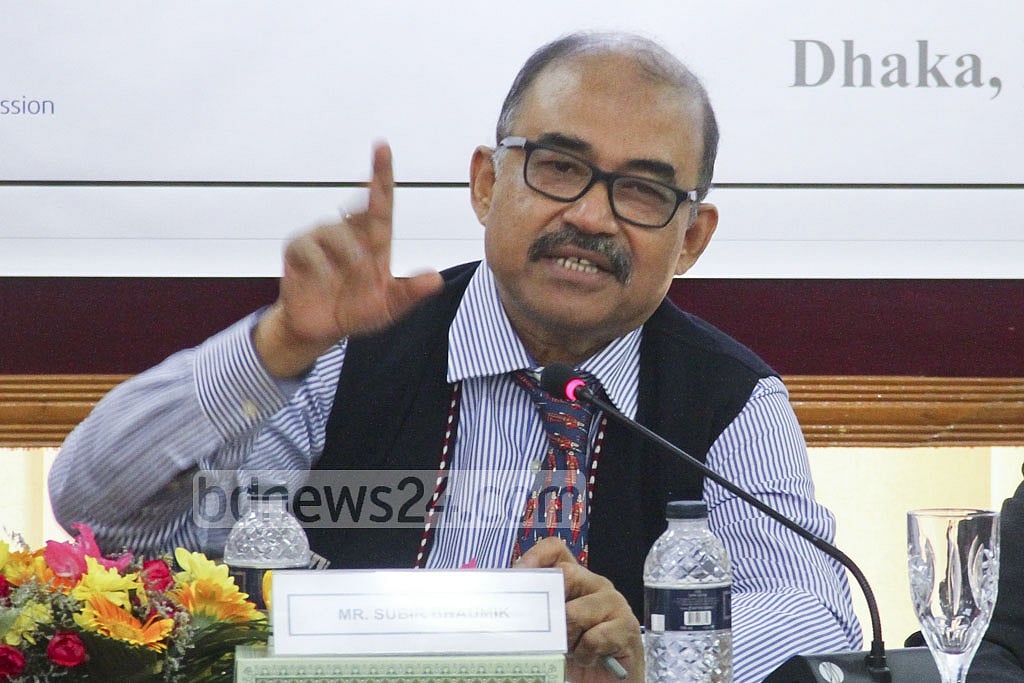
bdnews24.com’s Senior Editor Subir Bhaumik said the “strict official regime encourages smuggling and illegal trade along the border”.
“Governments are talking about connectivity and doing everything to block the border,” he said, adding that border should be treated as an “opportunity”.
They pitched for greater linkages between national development plans and plans for regional connectivity to make BIMSTEC work.
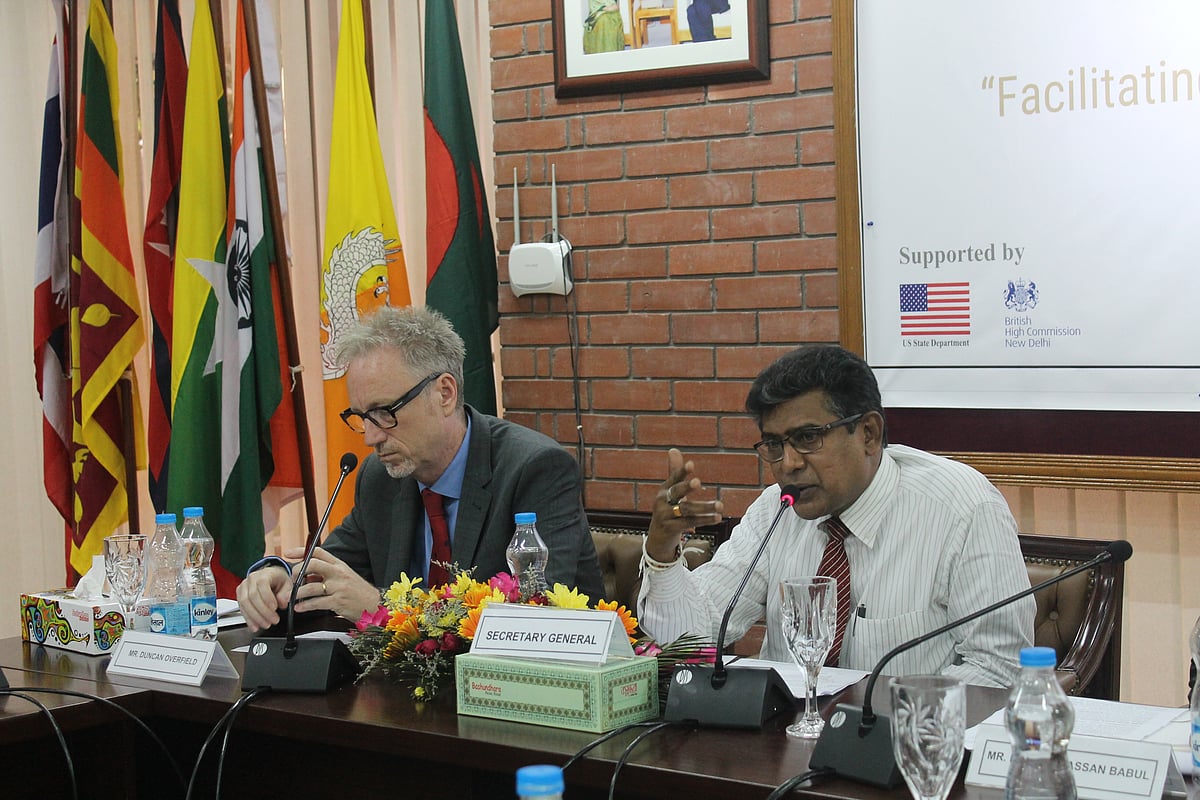
Opening the discussion, BIMSTEC Secretary General Sumith Nakandala said the Bay of Bengal region was “historically well-connected”.
“There was a great trade in this region, and there is no reason why that cannot happen again,” he said.
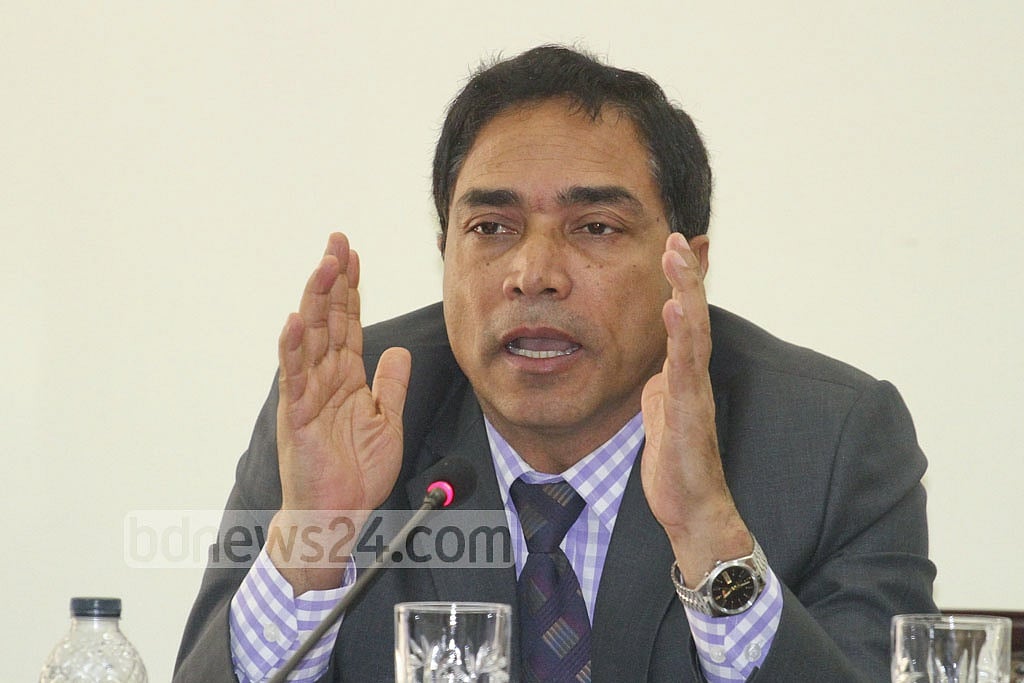
Former Bangladesh Bank Governor Atiur Rahman who was chairing a session of the daylong conference urged the policy makers to narrow down their gaps with the people on the ground.
“We need to go to the people, engage with them and try to understand them for making policies. Connectivity at the last mile is how it affects the people,” he said.
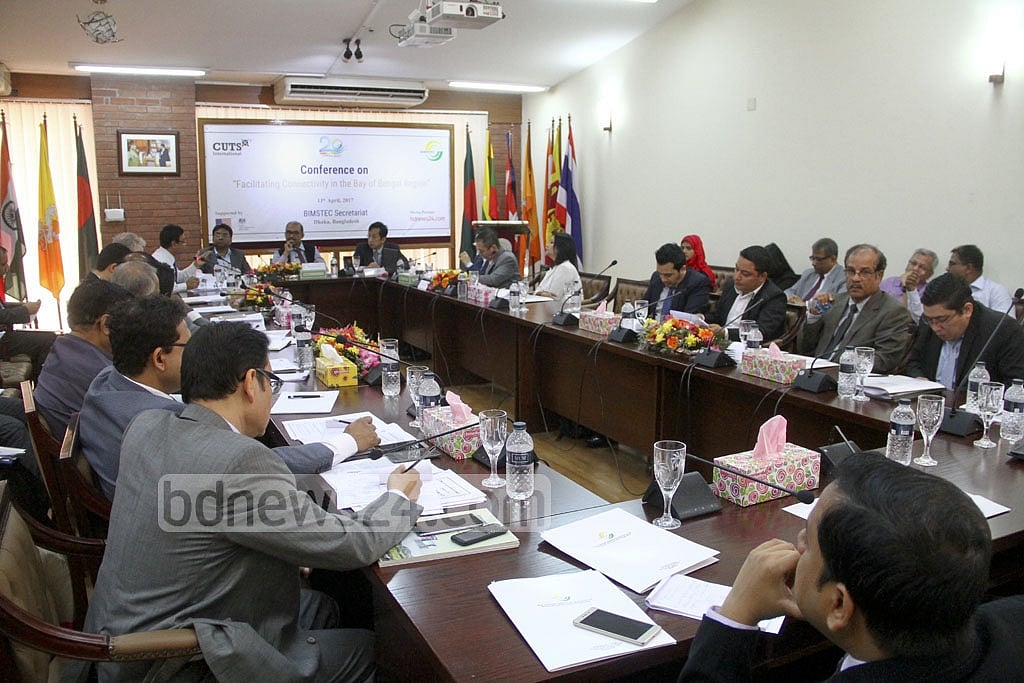
The conference being held at the BIMSTEC Secretariat in Dhaka was part of its series of events to mark its 20th anniversary this year. bdnews24.com is its media partner.













