Published : 16 Dec 2021, 12:48 AM
Updated : 14 Oct 2022, 07:04 PM


Pakistan’s game was up.
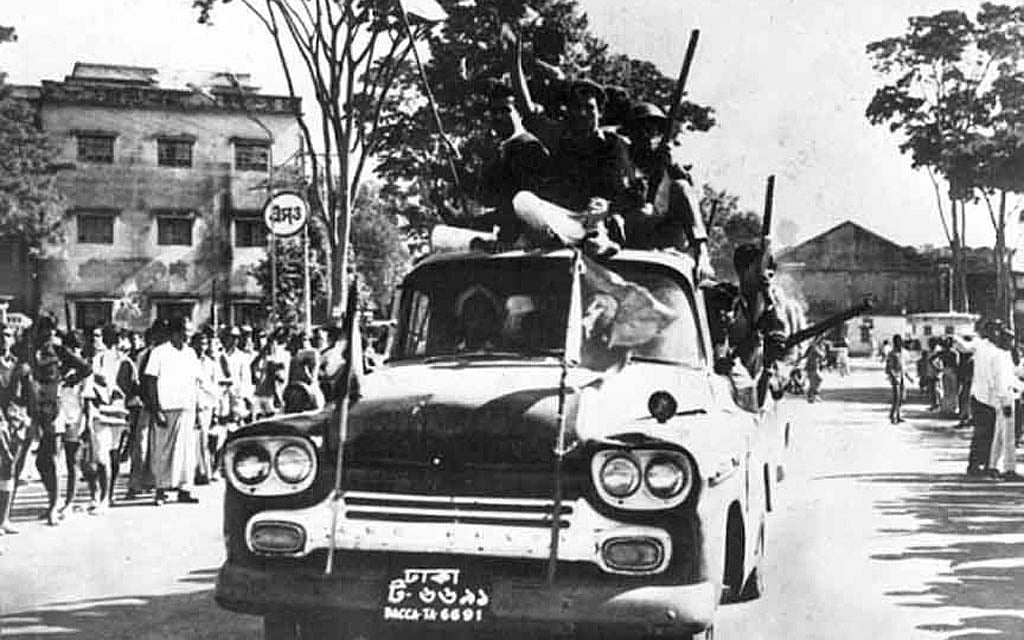
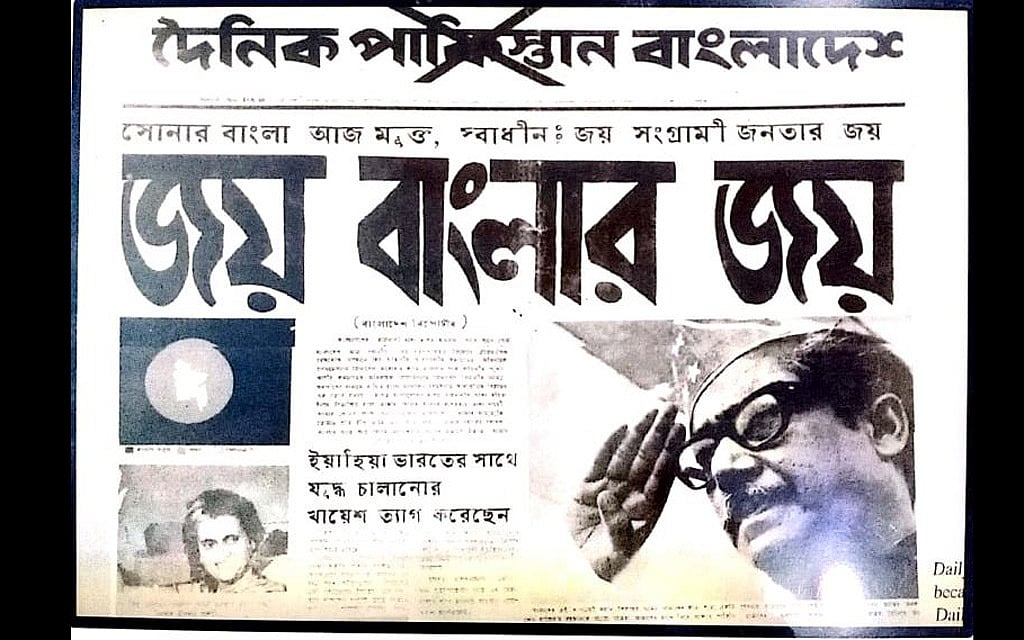
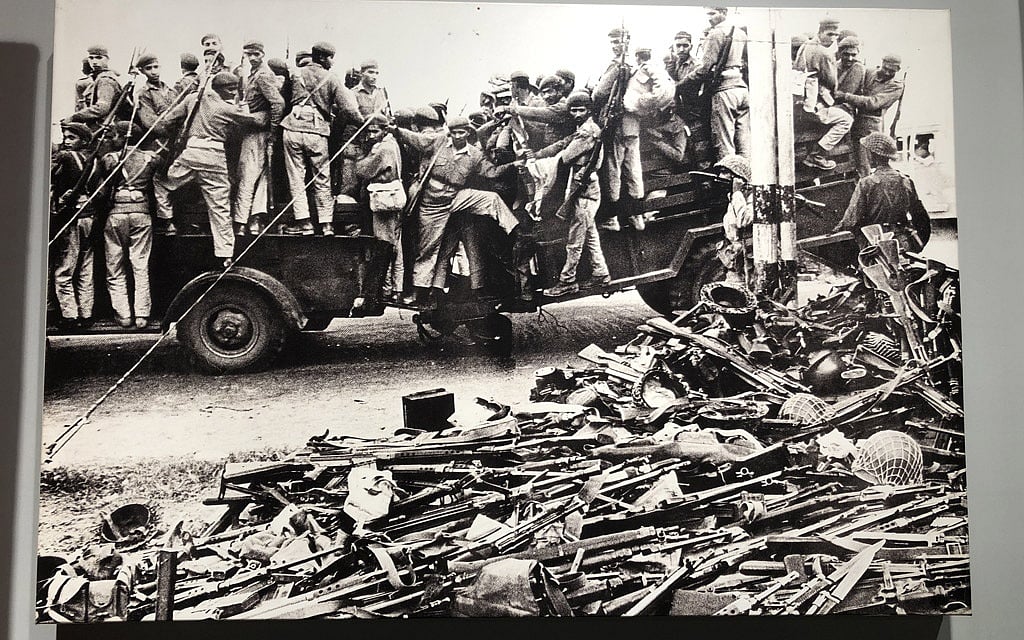
It was a great victory achieved after a bloodbath of nine months and a saga of sacrifice. Bangladesh rejoiced in the glory of victory when the Pakistani occupation forces surrendered.
As Bangladesh crossed five decades, many of those who witnessed that historic moment have left for their eternal abode. Those still living treasure those memories more than anything else.
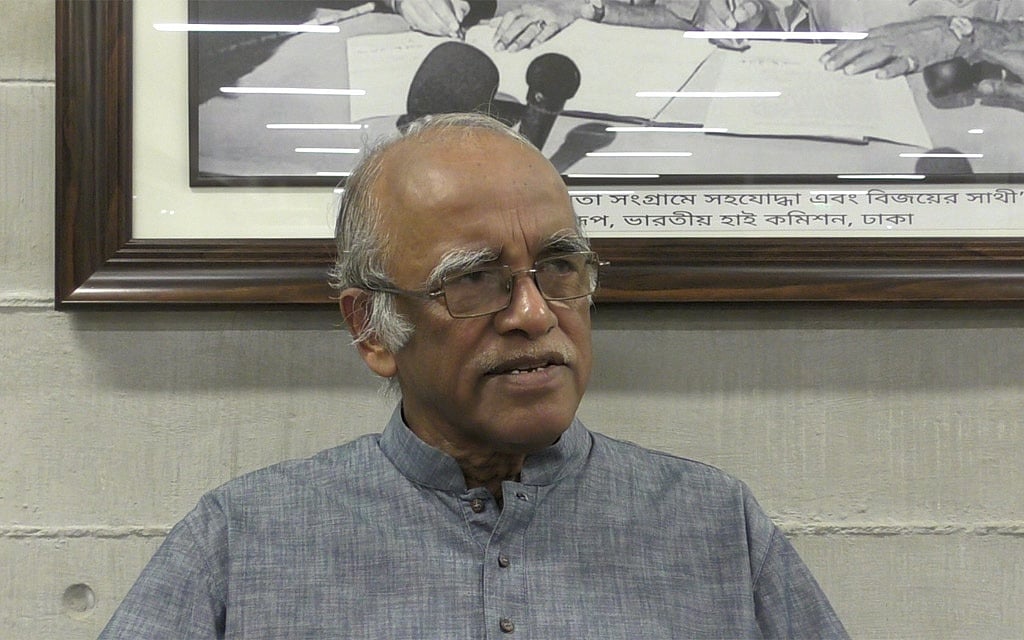
“This feeling is hard to express. Dhaka was almost a deserted city at that time, but whoever was there rushed out to the streets. There was euphoria infused with sorrows,” said Mofidul Hoque, a researcher and trustee of the Liberation War Museum.
Mofidul was present in Dhaka on that historic day. On the occasion of the golden jubilee of Bangladesh’s victory, he made a visit down the memory lane in a candid conversation.
“People were affected and faced damage in different ways. There wasn’t a single family which remained unaffected by the Liberation War. The very moment of victory on Dec 16, 1971, was a time filled with joys and sorrows,” Mofidul said.
Father of the Nation Bangabandhu Sheikh Mujibur Rahman declared the independence of Bangladesh on the first hour of March 26 before the Pakistani occupation force arrested him.
A war broke out and continued for nine months. Bangladesh moved towards translating its dream of achieving independence into reality through the sacrifice of lives of three million martyrs and the dignity of innumerable women.
Mofidul could feel the advent of Bengalis’ victory from the beginning of December. Finally his wait was over on Dec 16. Mofidul headed out riding his brother-in-law Syed Sharful Anam’s car to witness the moments of Pakistan’s surrender and Bengalis’ jubilation that unfolded in Dhaka.
“At 11 am to 12 pm, it was evident that the war was ending. Indian troops entered the city and came near the hotel now known as InterContinental.”
”We were present near the hotel at around 11.15 am. We saw people in their euphoria welcoming the troops. Pakistani forces were leaving but they were still armed. As a result, a gunfight took place and unfortunately an Indian officer was killed.”
Mofidul and his companions then moved towards Demra and stopped at the Governor’s House (now Bangabhaban) which was attacked by the Indian Air Force two days ago.
Before they could return from Demra, the Pakistan Force had formally surrendered, he said.
“We reached the airport when everyone was returning. A helicopter just took off carrying Lieutenant General Jagjit Singh Aurora. Major Haider was present in the airport and we met him. We witnessed that the Allied Force and Mukti Bahini achieved victory together. I still remember that evening at Dhaka airport.”
By Dec 3, 1971, when the war began under the joint command of the Allied Force and the Mukti Bahini, it was evident that the victory of Bangladesh was not very far. One by one, parts of the country won freedom defeating the Pakistani soldiers and their accomplices.
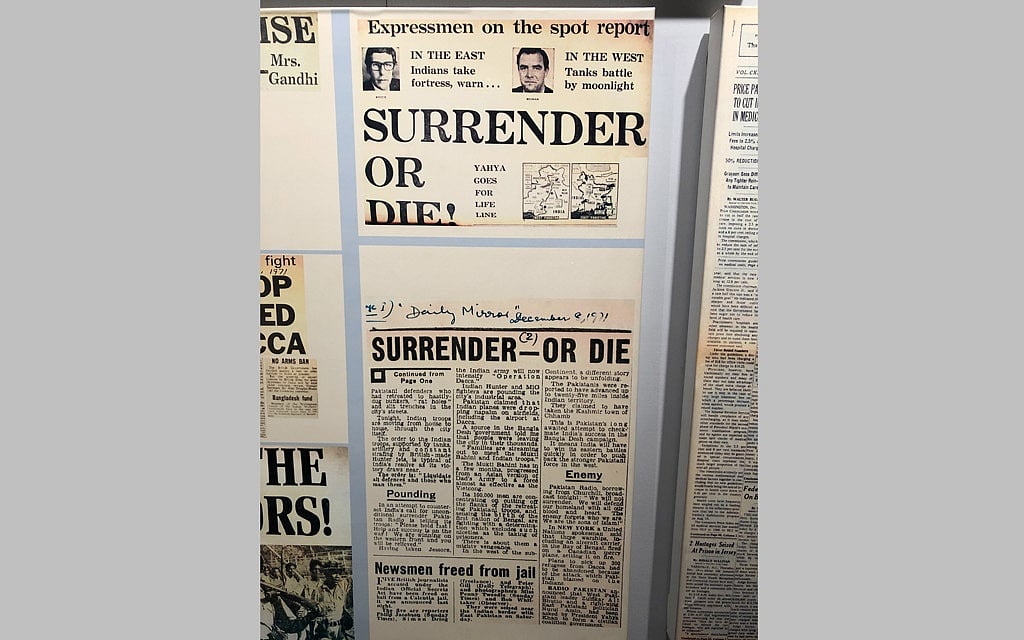
Sam Manekshaw, India’s chief of army staff during the 1971 war,who was later promoted to the rank of field marshal, had urged the Pakistan forces to surrender for the first time on Dec 8.
The war was continuing and so was the process to make Pakistan surrender. Gen Manekshaw sent a third message to Pakistan’s Maj Gen Rao Farman Ali. “The allied forces have surrounded Dhaka. It is better to surrender and avoid bloodshed,” his message said, adding the Pakistani troops will be treated according to the Geneva Convention if they surrender.
Besides radio messages, leaflets were spread from planes asking the Pakistan force to surrender. The leaflets contained writings in English, Bengali and Hindi urging the Pakistani soldiers to surrender and leave their weapons, or else they would face grave consequences.
At the final phase of the war, the Allied Force began to move towards Dhaka from three sides. On Dec 15, one group advanced to Dhaka from Savar, one from Demra and the other from Tongi.
The group led by Indian Army officer Sant Singh under Gen GS Nagra was the first to reach the outskirts of Dhaka around 10 pm on Dec 14. They moved towards Mirpur.
Hours later, they captured the west pier at Dhamrai in the early hours of Dec 15. The Pakistani force tried to confront them near the radio office but failed.
Sant Singh's team was the first to reach Mirpur Bridge. They were accompanied by Kader Bahini, a wartime group. Therefore, Gen Manekshaw ordered no air attack from 5 pm on Dec 15 to 9 am on Dec 16.
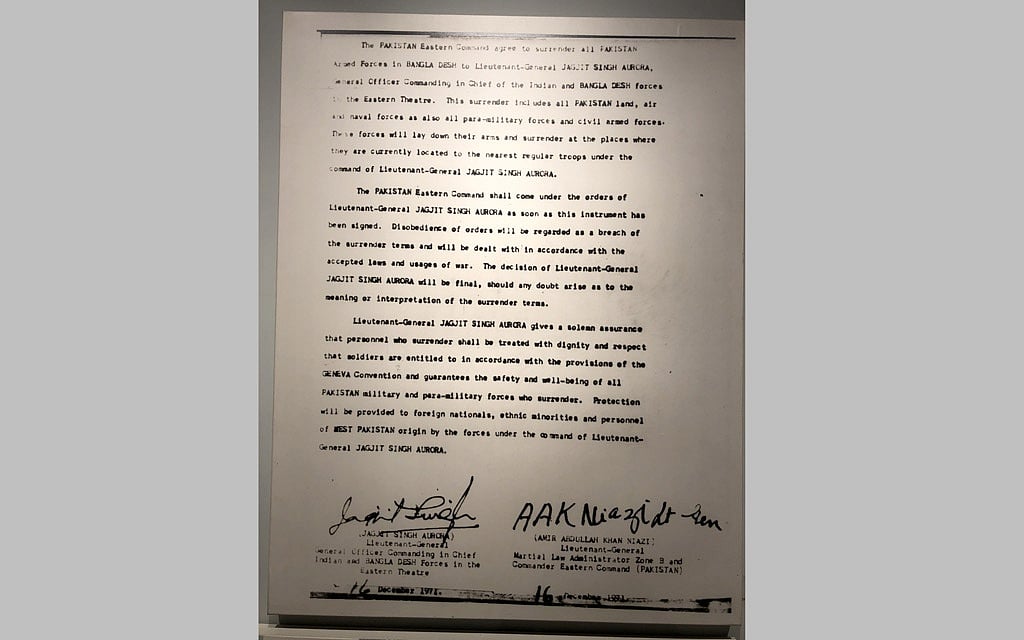
The process was already on for the Pakistan Force to surrender and Lt Gen JFR Jacob of the Indian Army drafted the historical instrument of surrender.
Jacob described the event in his book “Surrender at Dacca: Birth of a nation”. Manekshaw called him at around 9.15 am on Dec 16 and asked to go to Dhaka immediately, Jacob wrote. He asked Jacob to arrange for Pakistan to formally surrender by that evening.
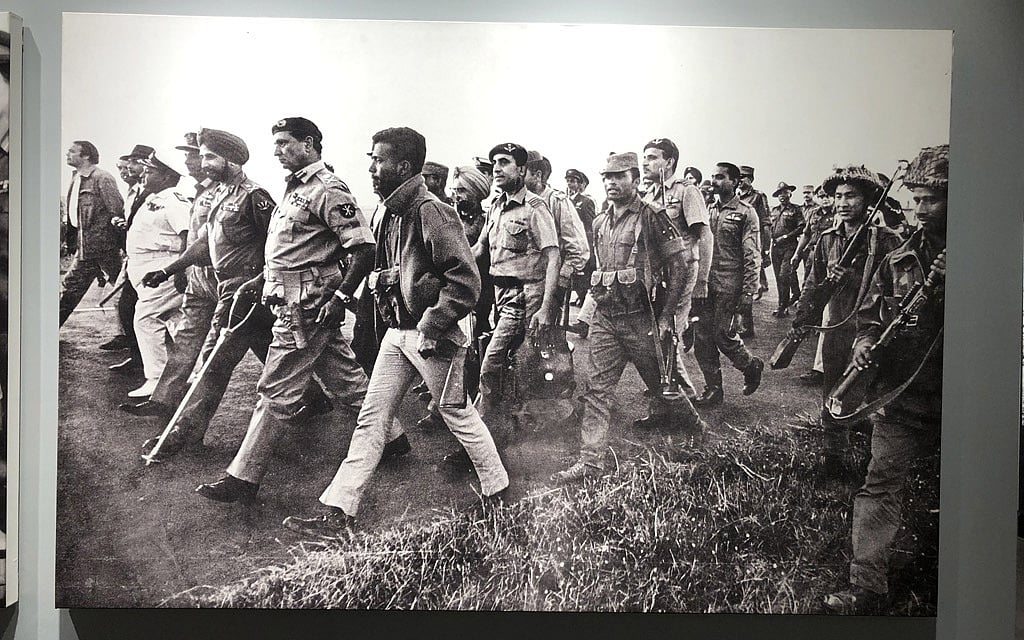
Later, Jacob and Pakistan's AAK Niazi discussed the instrument of surrender and its conditions over lunch at the cantonment.They went to the airport to welcome General Jagjit Singh Aurora, chief of the joint force and general officer commanding-in-chief of the Indian Army’s Eastern Command. From the airport, they went to the Racecourse in Ramna.
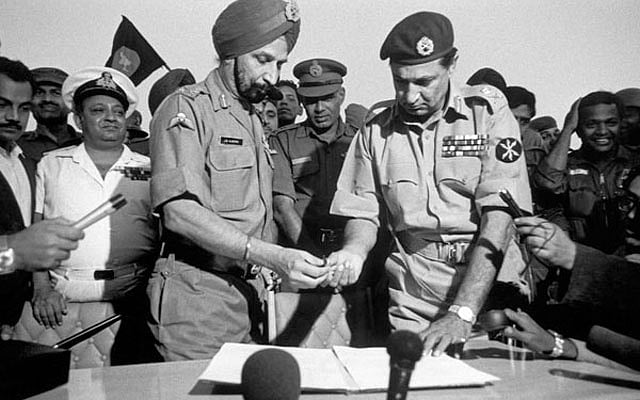
Though there was not enough time, the arrangement went well, wrote Jacob. After receiving guard of honour, Aurora and Niazi advanced to the table where the instrument of surrender was presented. Niazi glanced at it and signed it. Aurora signed it too.
“A table was set at the Racecourse in Dacca for the signing of the instrument of surrender. The sun was going down on a cold winter evening in December. Sounds of gunshots could be heard from afar and the people cheered continuously,” The Times, a British newspaper, wrote on Dec 17.
“Lt Gen AAK Niazi came with a grim face and signed the instrument of surrender. The Indian soldiers cordoned the entire Racecourse and worked hard to keep the Bangladeshi people at bay. Niazi had tears in his eyes when he was being taken away, while the Bangladeshis cheered.”
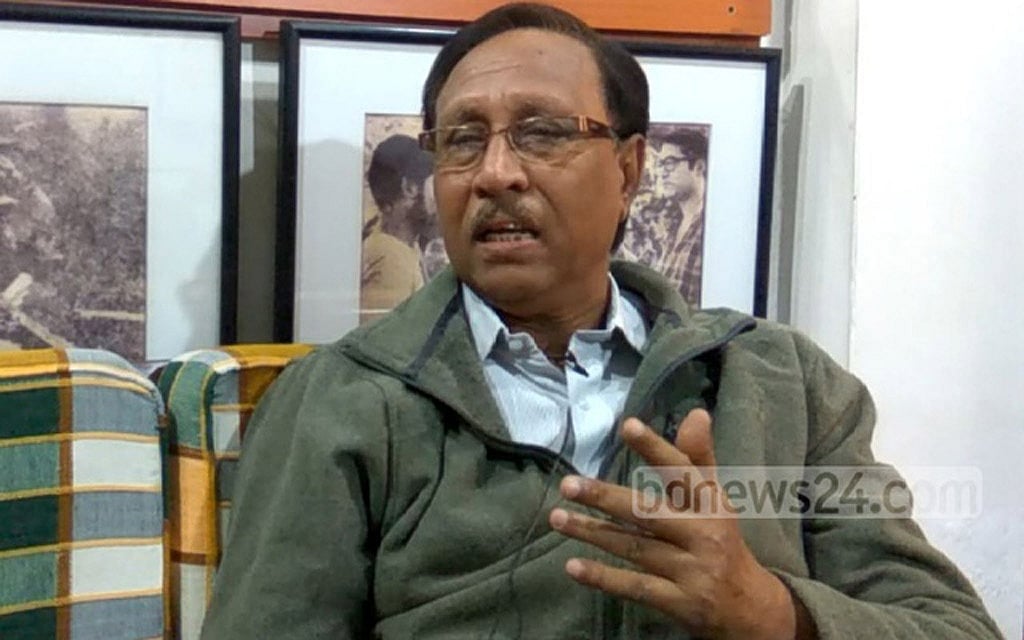
Reports of victory streamed in from parts of Bangladesh, with battalions of the Indian Army and Bengali freedom fighters crowding into Dhaka. Freedom fighter and journalist Haroon Habib described the day of Dec 16 when people in Mymensingh went trigger-happy over the victory of Bangladesh.
“I was injured and was in hospital care in Mymensingh. The hospital is now known as Mymensingh Medical College. I was listening to the radio lying in my bed.”
“I saw hundreds of people who had tears streaming down their cheeks when the radio narrated the event of surrender. All the doctors and nurses were crying. I felt like leaving the bed and going out but the doctor and nurses prevented me. They knew it would be more damaging for me.”
Thousands of people in Mymensingh were chanting slogans – Joy Bangla, Joy Bangabandhu, Joy Indira Gandhi and Joy Bharat, according to Haroon Habib.
“I was lying in my hospital bed on the third floor and witnessed the sight that unfolded.”
[Written in English by Sabrina Karim Murshed]