November 23, 2026

Bangladesh to carry out census on ethnic marginalised communities for SDGs

Bangladesh has planned to carry out a census on marginalised communities to pursue the new sustainable development goals or SDGs “leaving no-one behind”.

Senior Correspondent

bdnews24.com

Published : 22 Aug 2016, 06:43 PM

Updated : 19 Oct 2022, 05:25 PM

A Bangladesh Bureau of Statistics official told a discussion on Monday that the issue had been discussed in the highest policy approval meeting, ECNEC.
 
“We’ll carry out the census on over 1OO such communities to know the number of such population,” Deputy Director Dipankar Roy said.
 
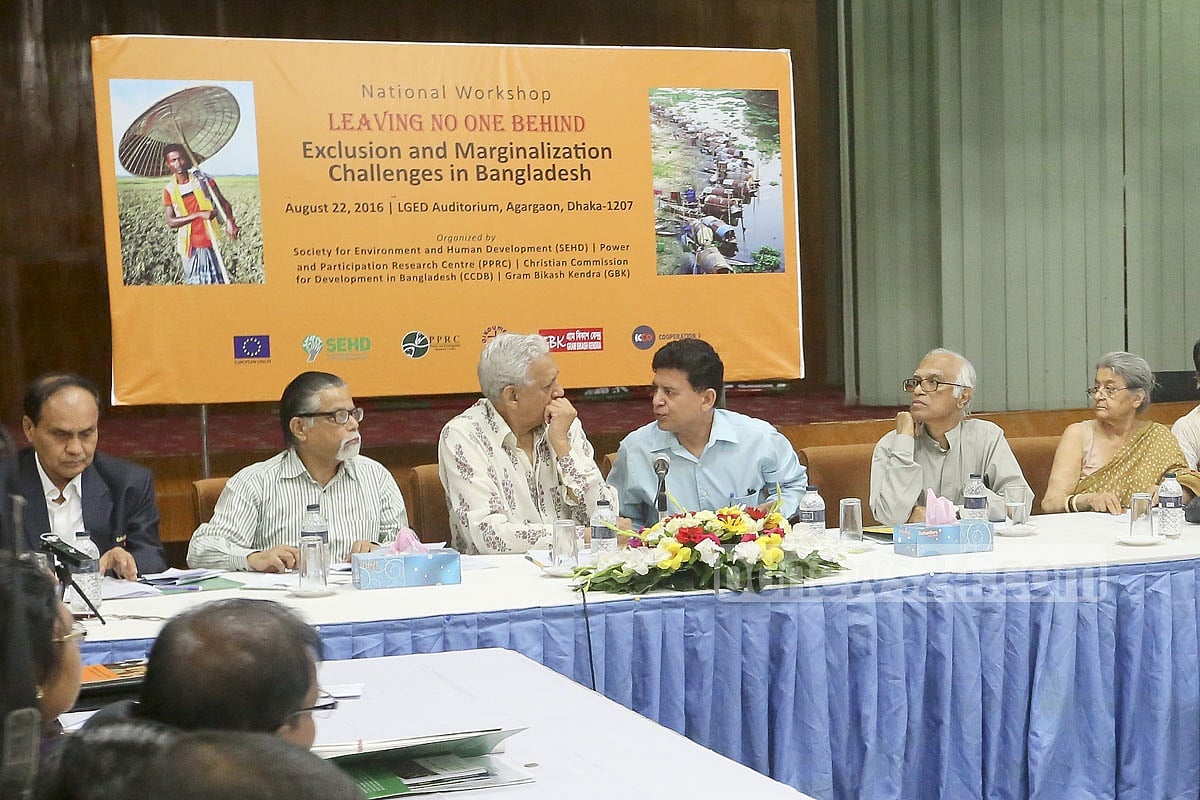
Four NGOs -- SHED, PPRC, CCDB and GBK – who are implementing a three-year European Union project on the ethnic minorities in plain lands organised the discussion as part of their process to map out their current status, and ways of strengthening their capacity and partnerships.
 
According to SHED, outside the Chittagong Hill Tracts and the tea gardens, the ethnic communities are concentrated in 16 districts in the northwest, seven districts in the north-centre and two districts in the northeast.
 
The NGO found that the number of ethnic communities outside of the tea gardens is 37. In tea estates, there are 80 different communities.
 
The discussion brought together representatives of those ethnic minorities, tea garden workers and their communities, sweepers, rishis or dalits, Jaldas, Bede, sex workers, Biharis and other “excluded” groups.
 
They highlighted their plights and said they face discrimination from day-to-day life to getting jobs because of their social class. They also pointed out the need of changing some laws.
 

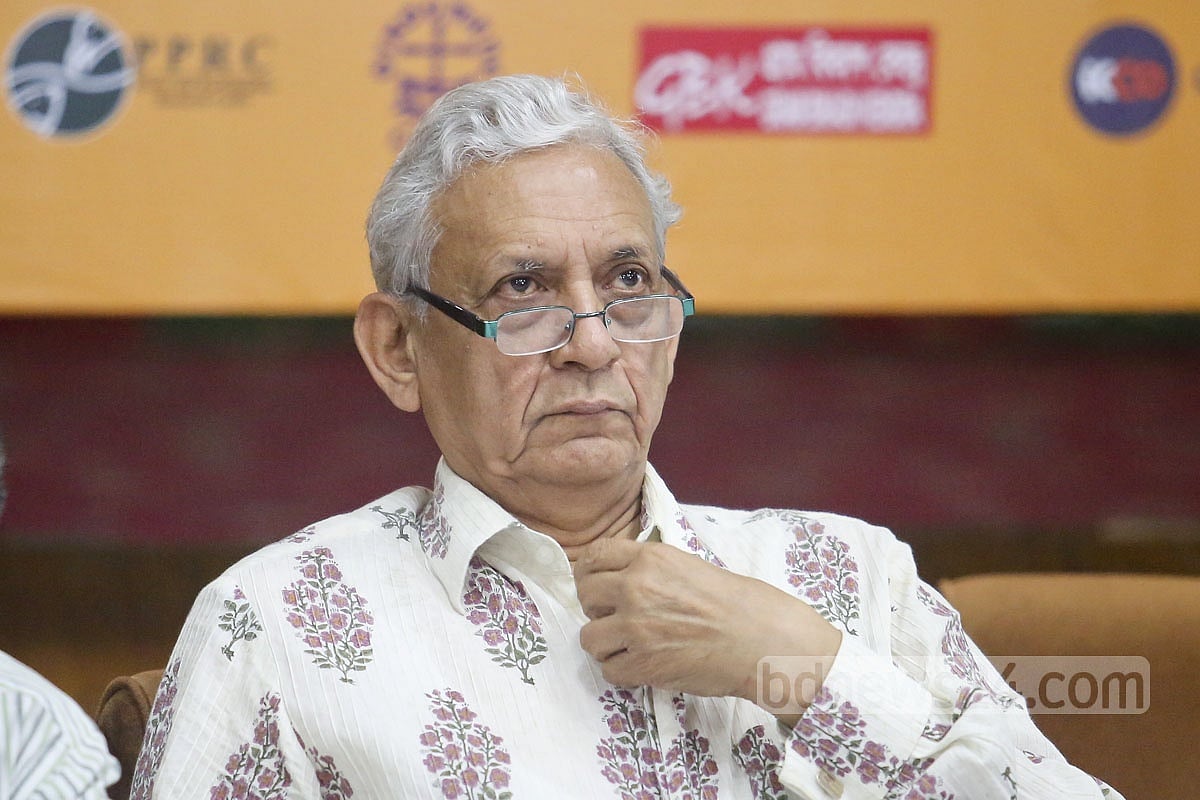
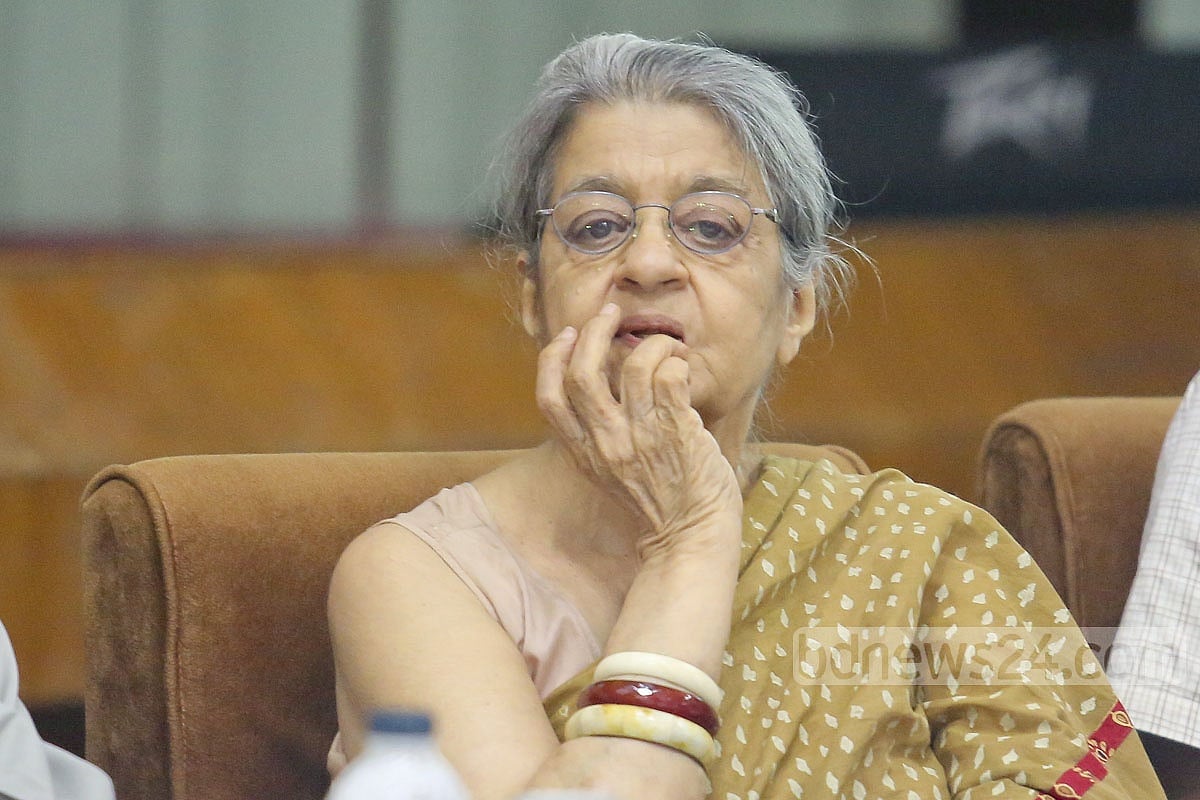
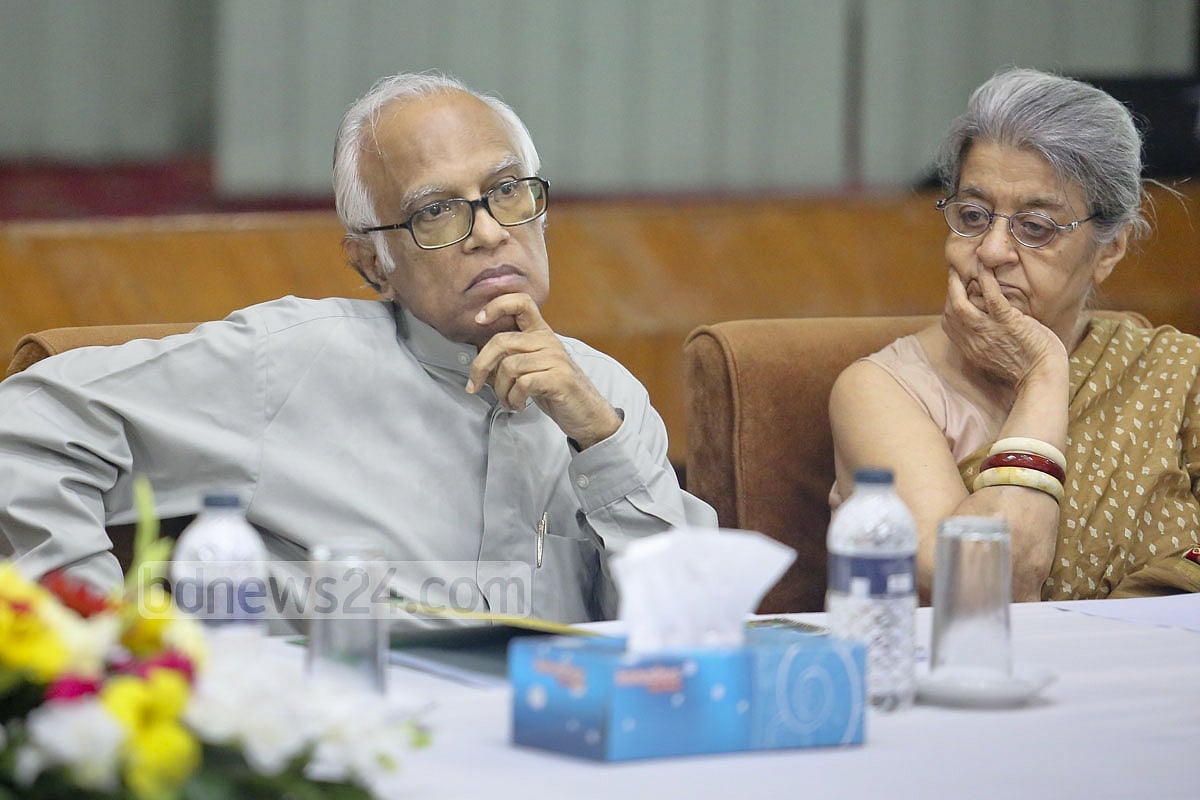
Prime Minister’s International Affairs Adviser Gowher Rizvi listened to them and encouraged them to identify their needs and propose to the government the solutions they want. He said this would be “effective” other than getting solutions from others who do not suffer the “pains”. Dr Rizvi also proposed that they submit a draft on where the laws need to be changed so that they do not fall behind in the development process. “We can create a forum where you can speak of your pains and give solutions to those. Then this will be effective,” he said. Economist Prof Wahidduddin Mahmud said every ethnic community faces unique problems, so their solutions would be different. Executive Chairman of PPRC, an NGO, Hossain Zillur Rahman  suggested a “targeted approach” so that they can come out of the “poverty trap” they have fallen into due to their “exclusion and marginalisation” from society. Philip Gain, Director SEHD, said marginalisation and exclusion continue to haunt a wide range of ethnic minorities, particularly in the plains land. He said the project started in February this year will ultimately set up a national resource centre to address their needs.
Related Stories