


Published : 26 Jan 2018, 12:43 AM
Updated : 05 Aug 2022, 06:35 PM


He addressed a session on “securing Peace and Stability in the Asian Century” at the World Economic Forum (WEF) in Davos on Wednesday.
The foreign ministry said Ali highlighted the difficulties and challenges in spite of which Prime Minister Sheikh Hasina decided for Bangladesh to host over one million Rohingya population from Myanmar to date.
“He emphasised on the global community’s shared responsibility to ensure safety, dignity and respect for ethnic minorities in order to eventually ensure peace, harmony and stability within and among countries in Asia and the Pacific.”
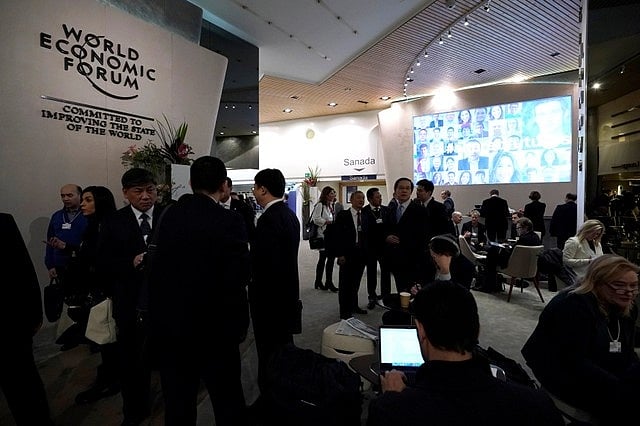
Attendees take part in the World Economic Forum (WEF) annual meeting in Davos, Switzerland, January 23, 2018. Reuters
He emphasised that any ties between countries should evolve in an “inclusive manner”.
Later, the foreign minister, joined by State Minister for ICT Zunaid Ahmed Palak, witnessed the official launch of the “Transformation Map for Bangladesh”, conveying insights, information and knowledge regarding future challenges and opportunities facing Bangladesh.
“This will position Bangladesh before global business and industry with greater attention and importance and also serve as a useful policy tool for leaders in governments, business and civil society,” the foreign ministry said.
According to WEF’s Inclusive Development Index, Bangladesh ranked 36th ahead of most South Asian countries.
On the sidelines, the foreign minister met Lisa Davis, the CEO of the Global Energy of Siemens AG, and called for more investment in the energy sector.
Davis told him about their large-scale LNG-based investment in the energy hub in Payra.
The minister invited Siemens to look at other related segments of Bangladesh economy for possible investment.













