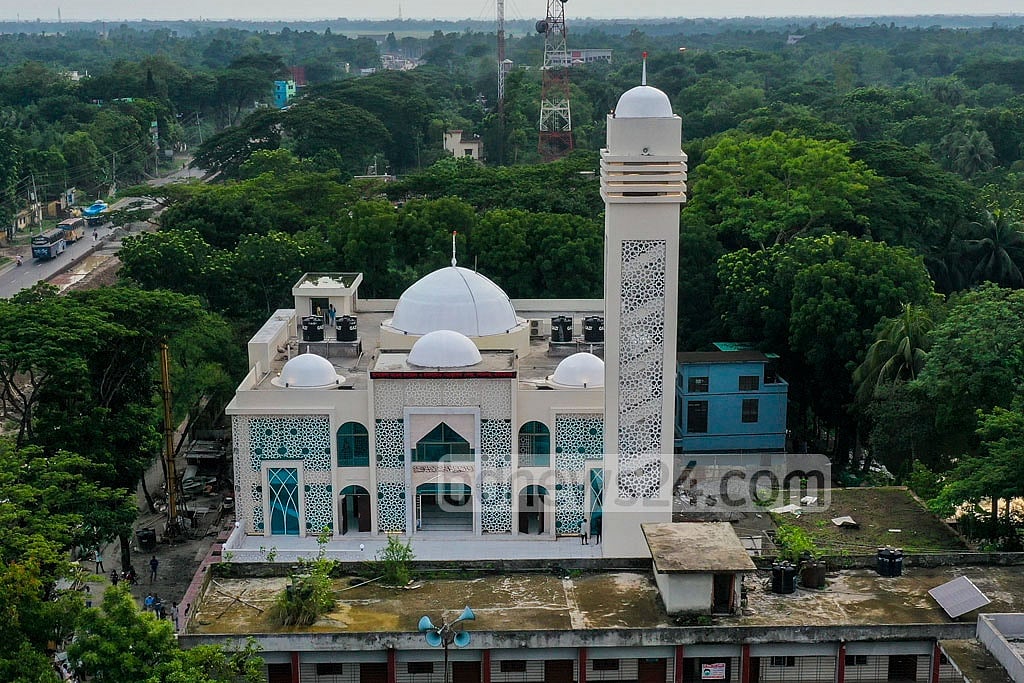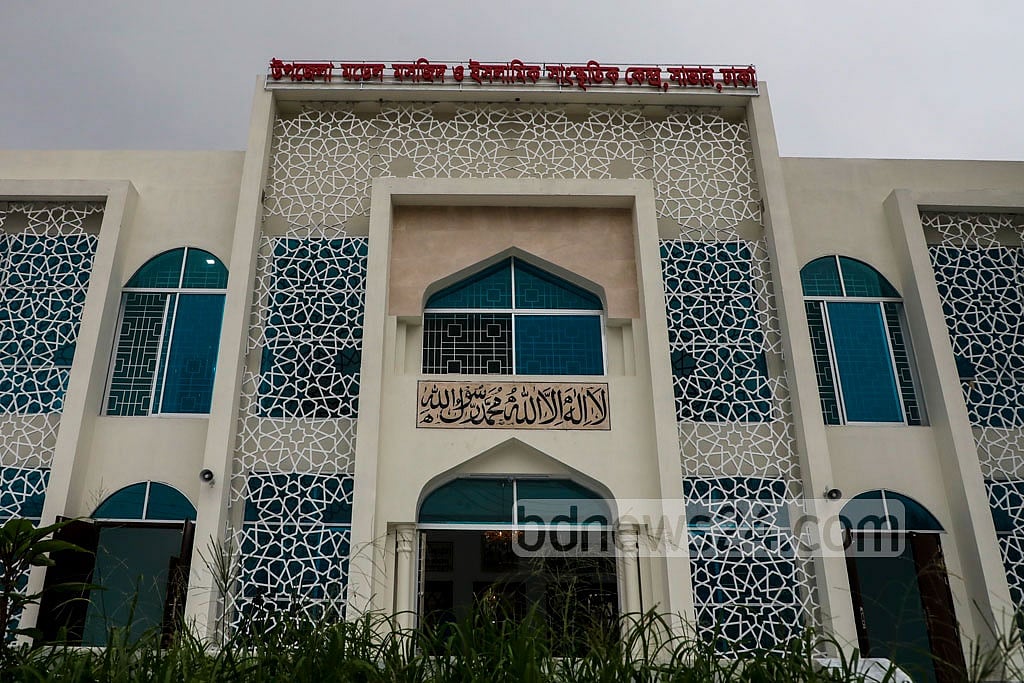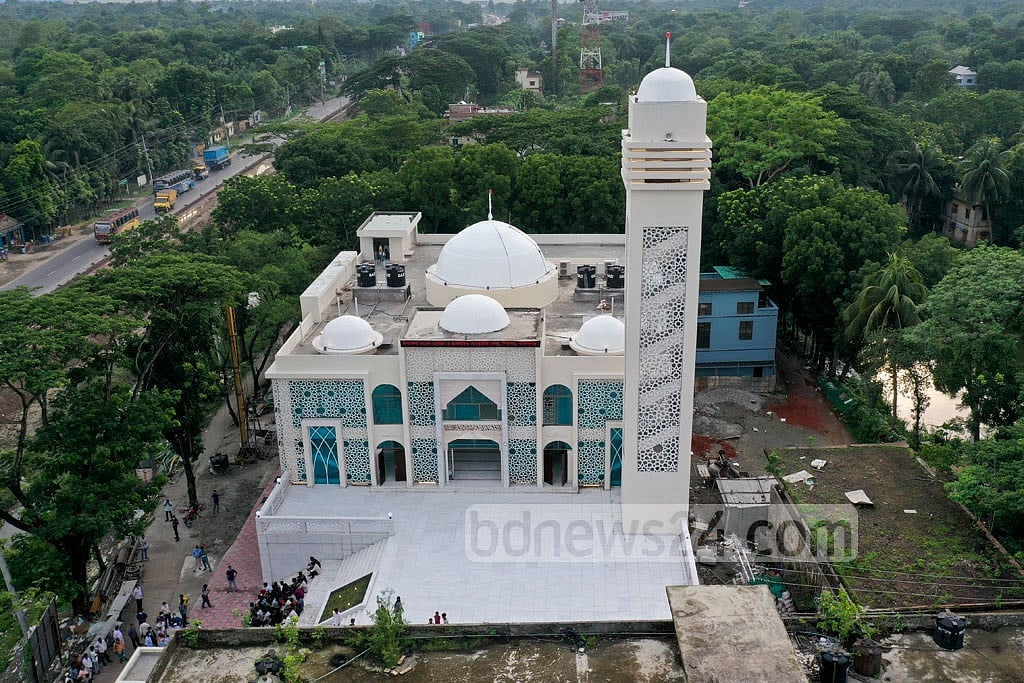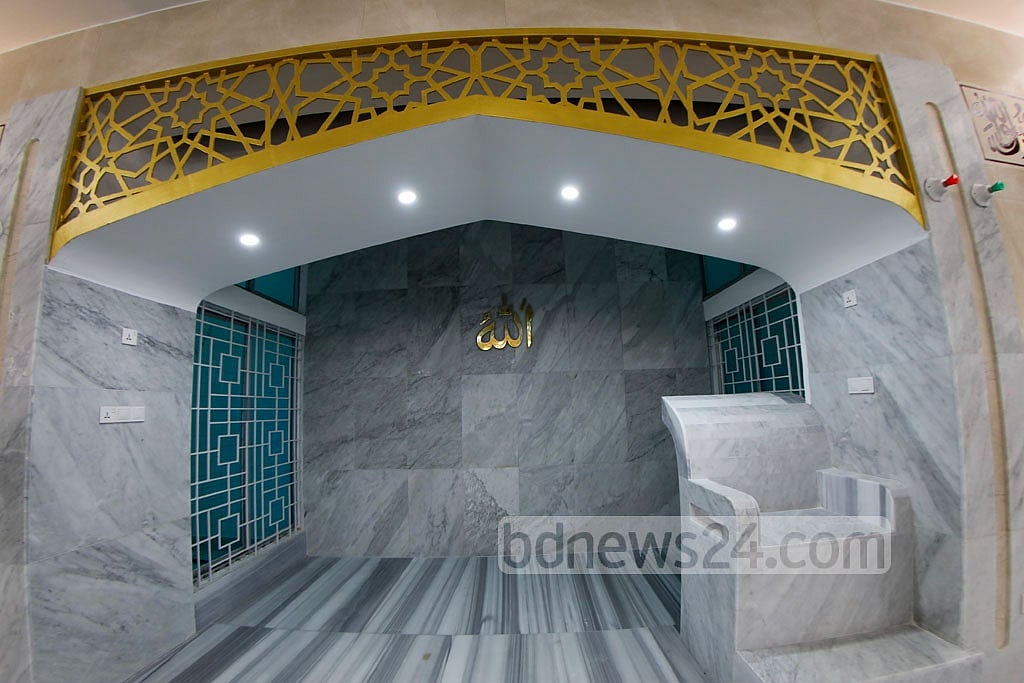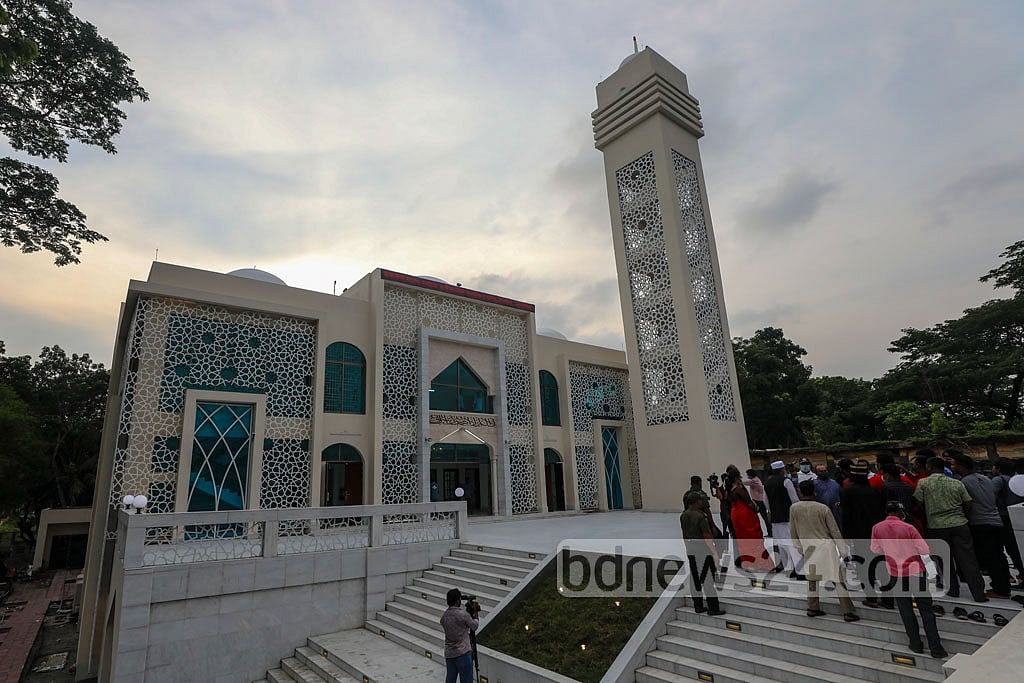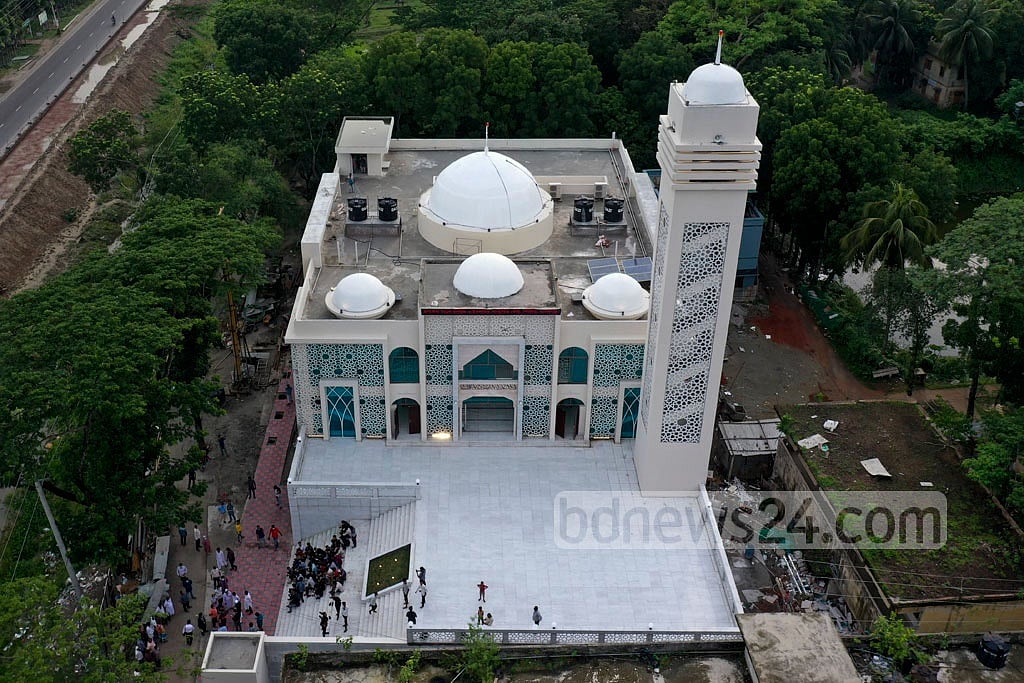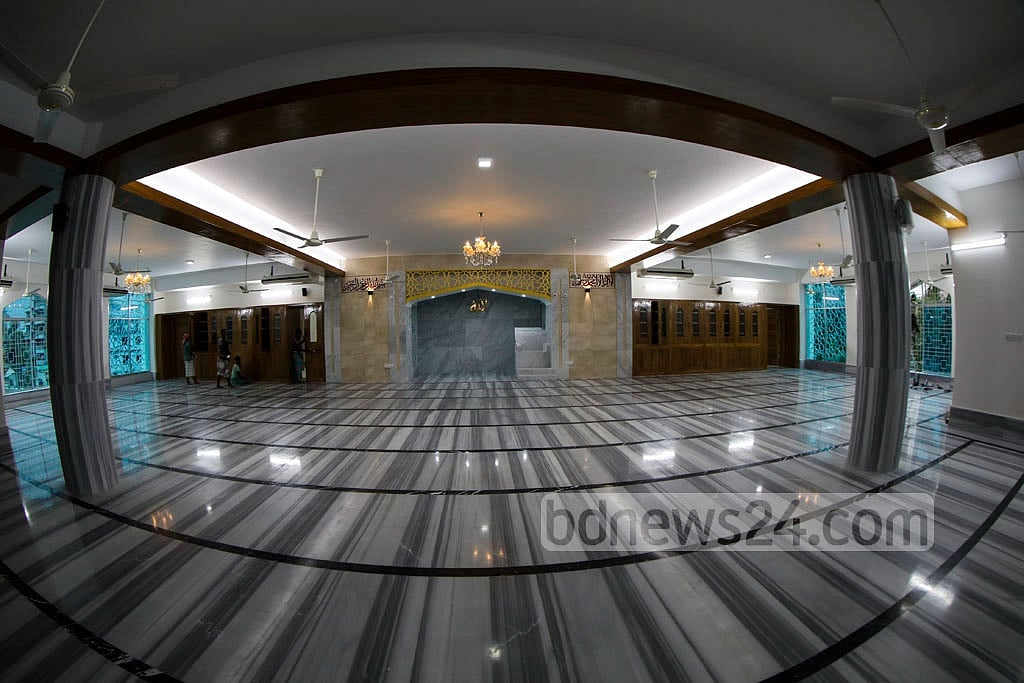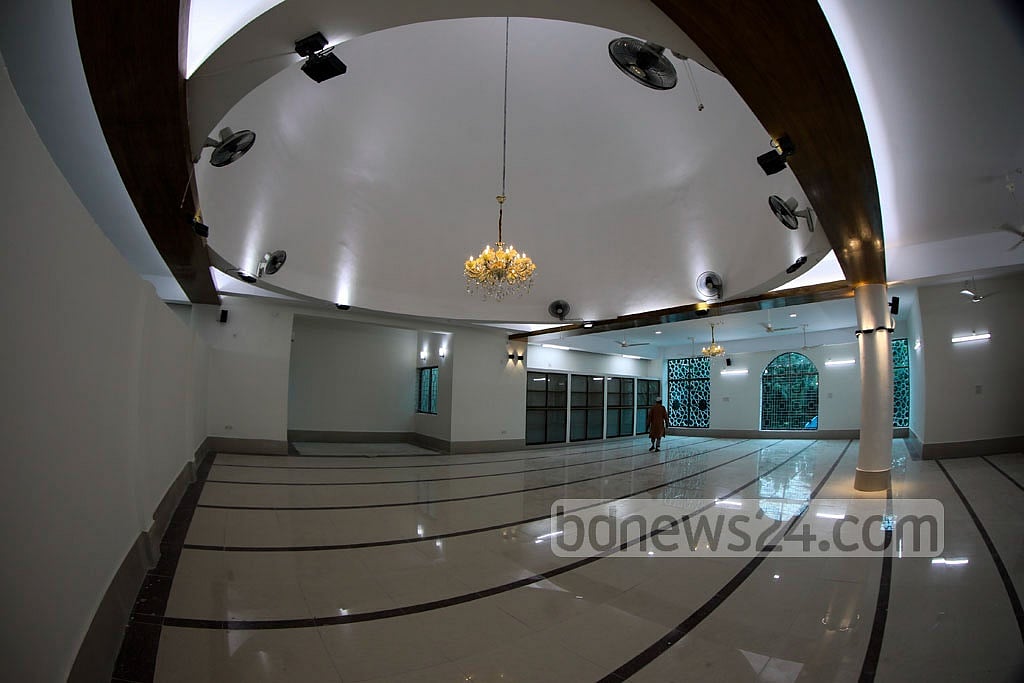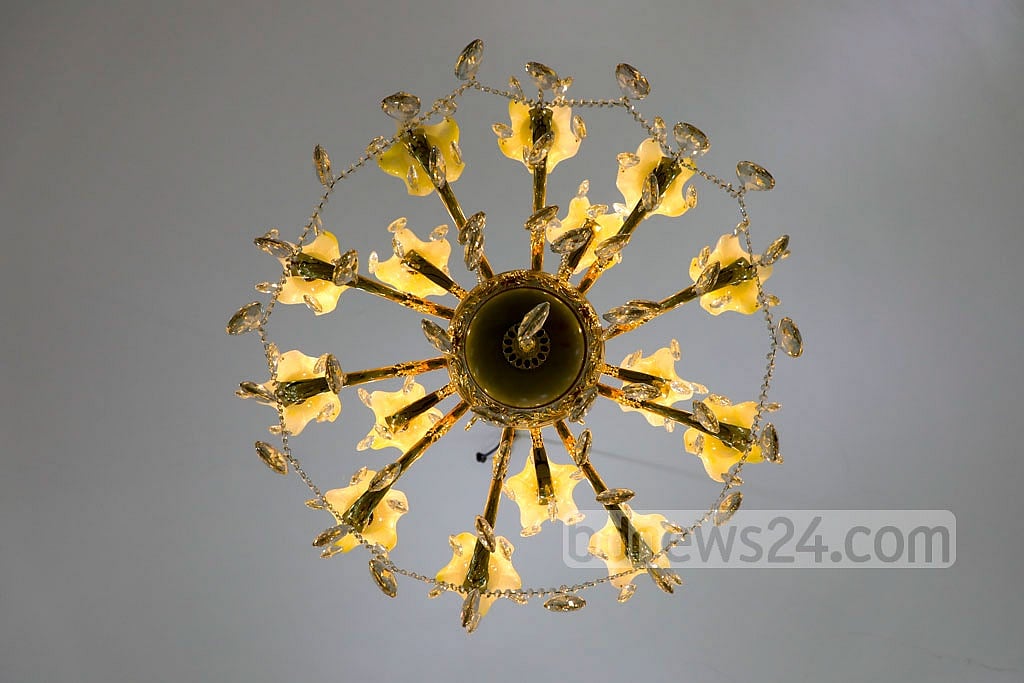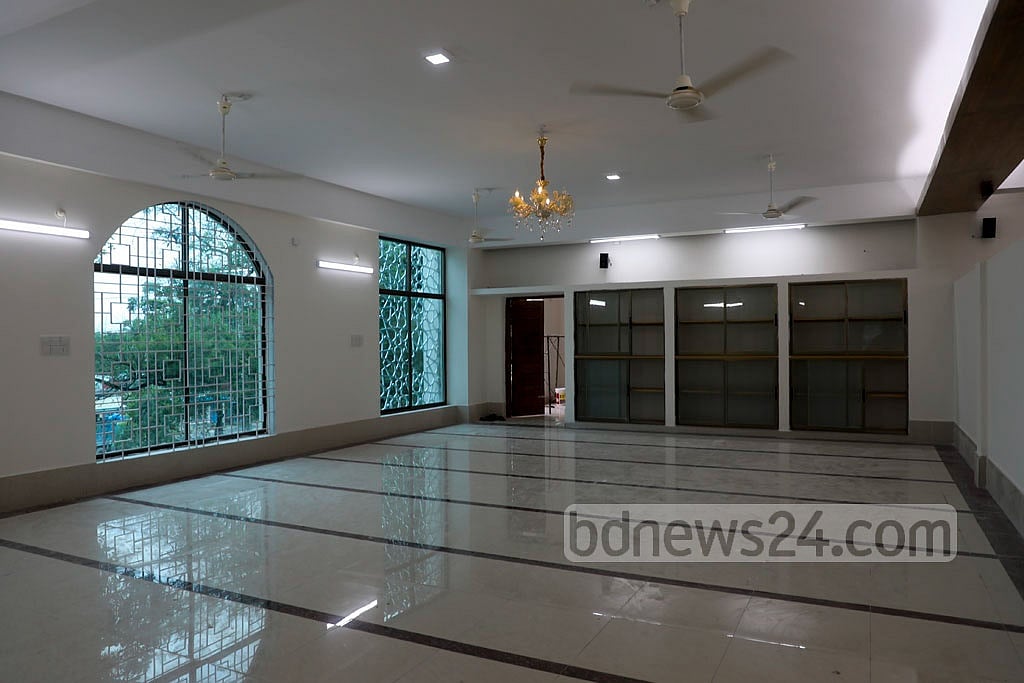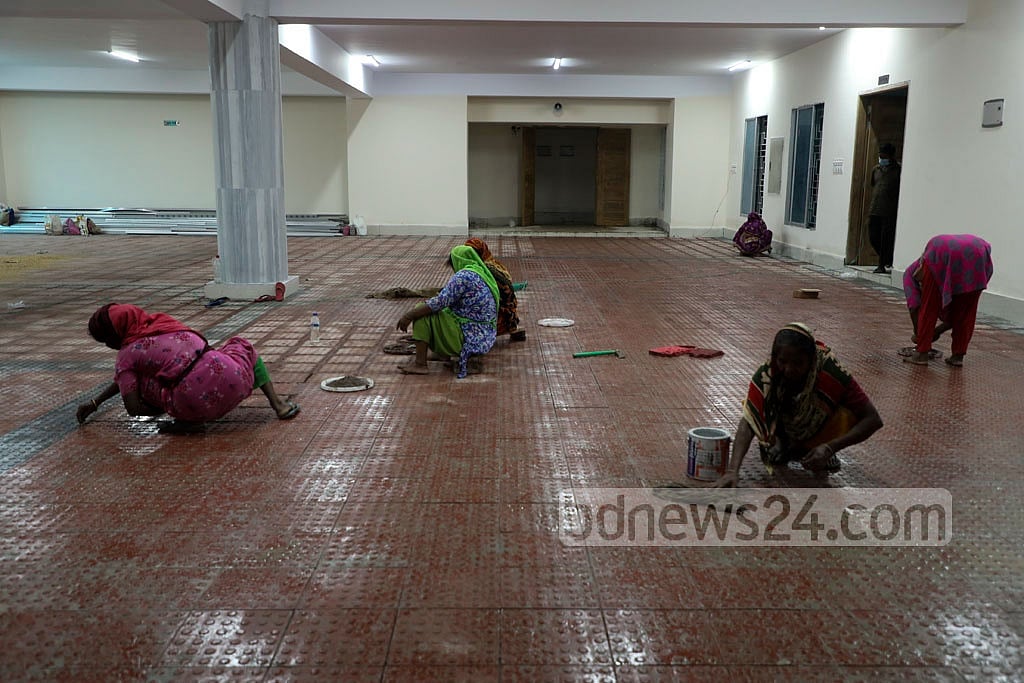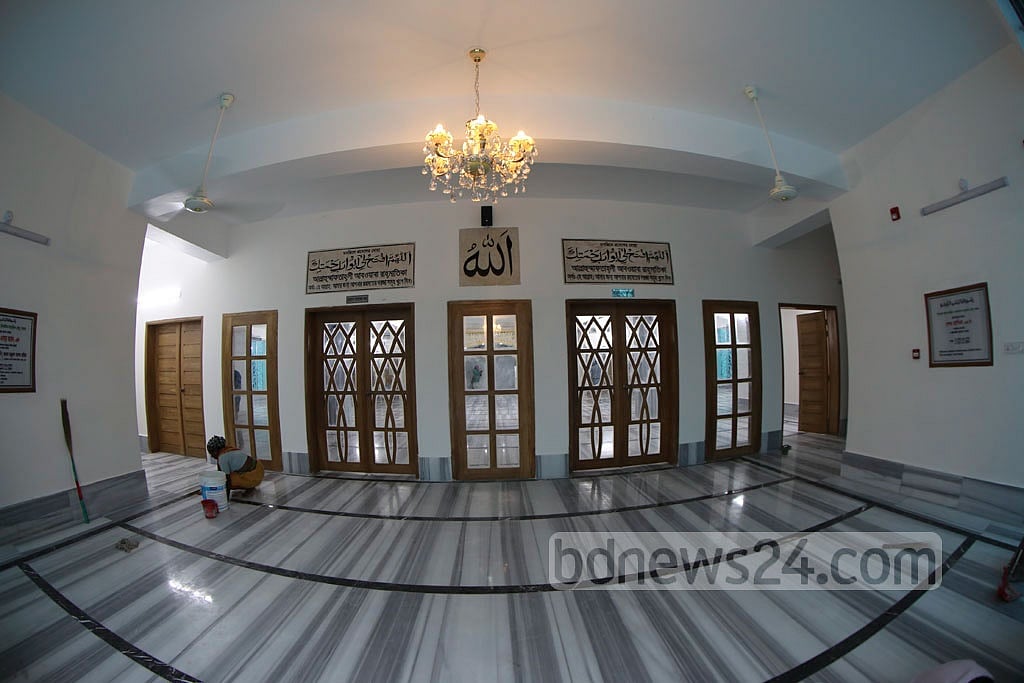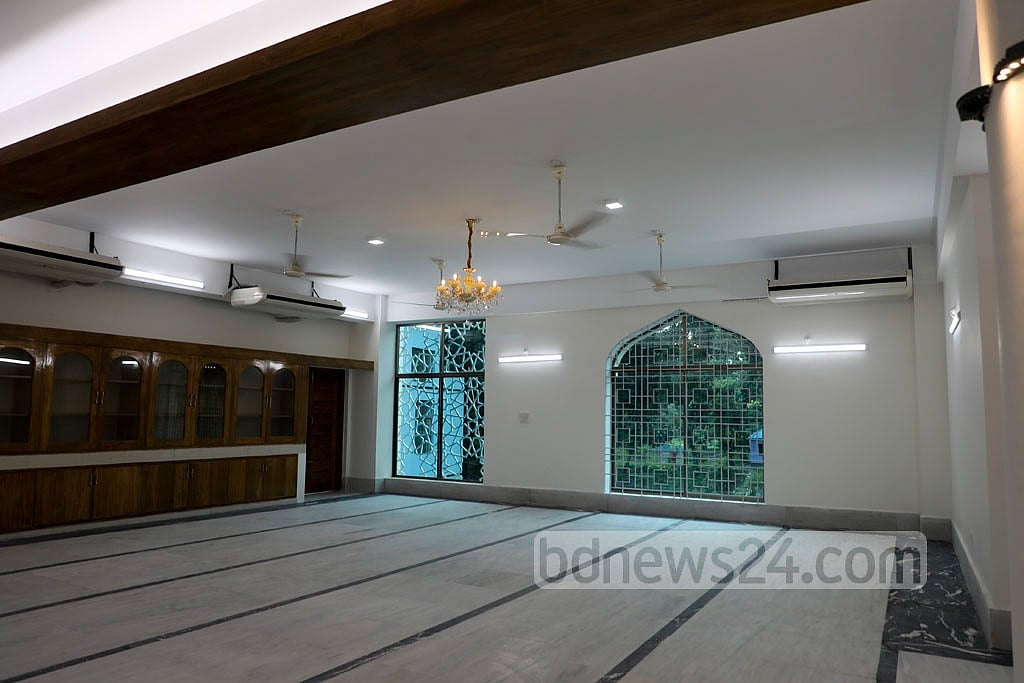
Prime Minister Sheikh Hasina inaugurated the first 50 model mosques on Thursday to honour the 50th year of Bangladesh’s independence.
The government says it will be the first time a country has built so many mosques at the same time.
Each of the model mosques will feature one minaret.
The model mosques follow the design of Islamic cultural centres in the Arab world and will feature many modern amenities.
The model mosques are divided into three categories and are to be built on 40 decimals of land each.
The model mosques and cultural centres at the district level will be four-floor tall, those at the upazila level will have three storeys and those in coastal areas will have four storeys. The ground floor of the coastal buildings will serve as shelters in case of natural disaster.
The mosques at district centres and city corporation areas will allow up to 1,200 devotees to pray together. Those at the upazila or coastal areas will have a capacity of 900.
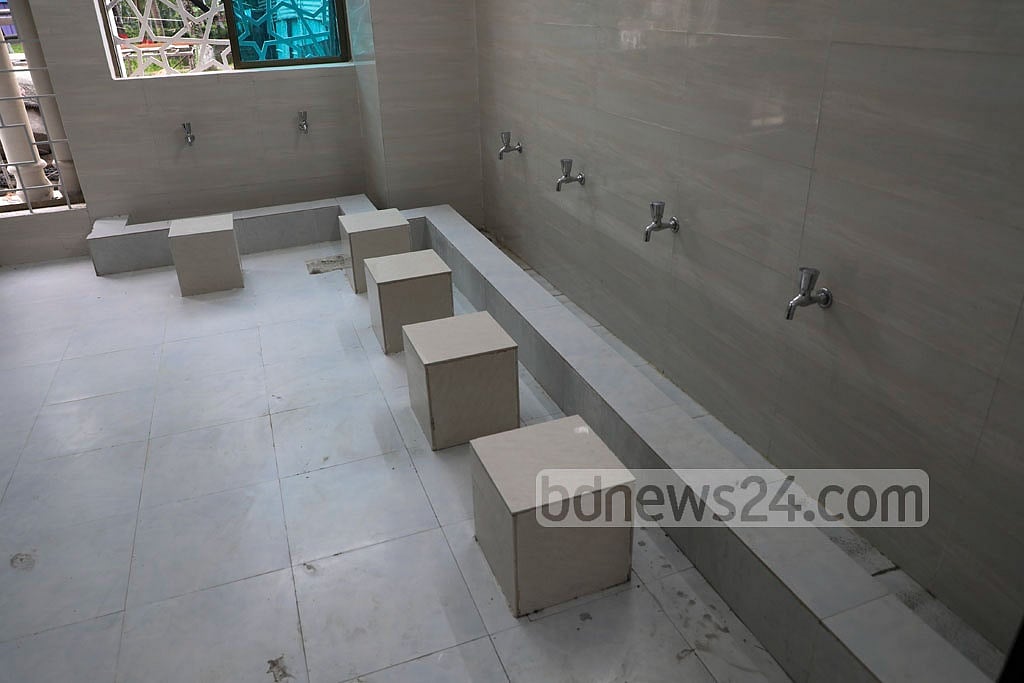
The model mosques and Islamic centres will have separate areas for men and women to perform Wudu.
Separate areas will be available at the mosques for men and women. It will allow women to pray at mosques in all upazilas across the country for the first time.
A total of 494,200 men and 31,400 women can pray at the same time at these mosques across the country.
The mosques and cultural centres will feature a whole host of amenities including a library, a research centre, an Islamic bookstore, a Quran Hifaz division, a guesthouse, a bath for the preparation of the dead, training for imams, autism centres and mass education centres.
The mosques will also be able to provide primary education to 168,000 children every year and house 2,240 domestic and foreign guests.
Hajj pilgrims will be able to register for their journey and train for it at these mosques.
In addition to residences for imams and muezzins, the mosques will have offices for employees of the cultural centres and parking spaces.
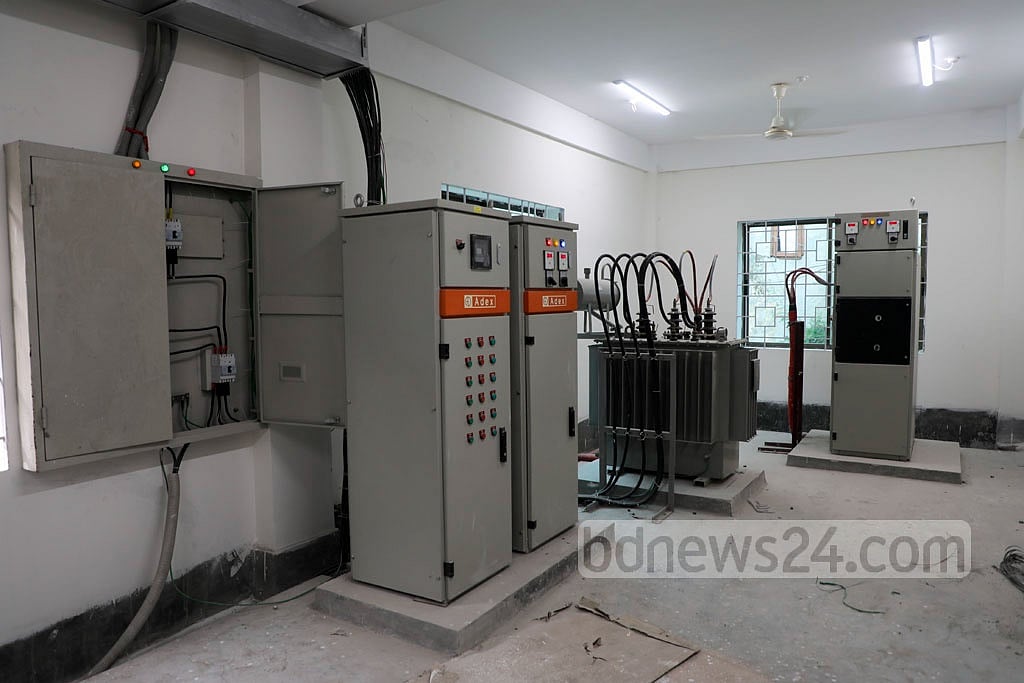
Substations and generators will provide a steady power supply to these newly built mosques.
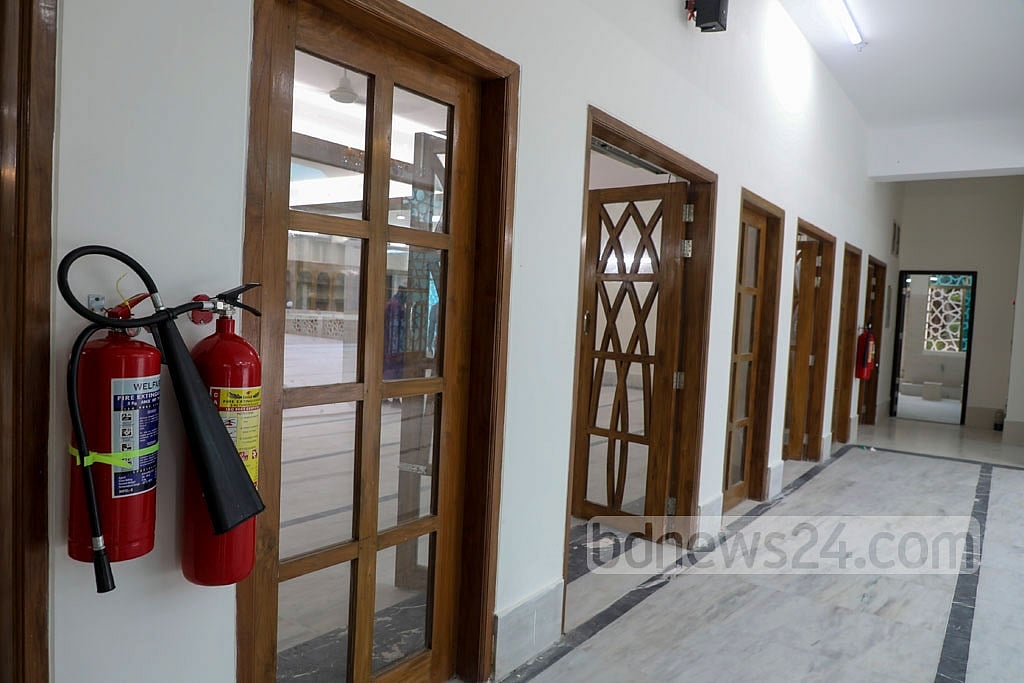
Safety and security measures include fire extinguishers, lightning insulation systems and CFTV cameras.