


Published : 12 May 2016, 07:02 PM
Updated : 19 Oct 2022, 05:16 PM


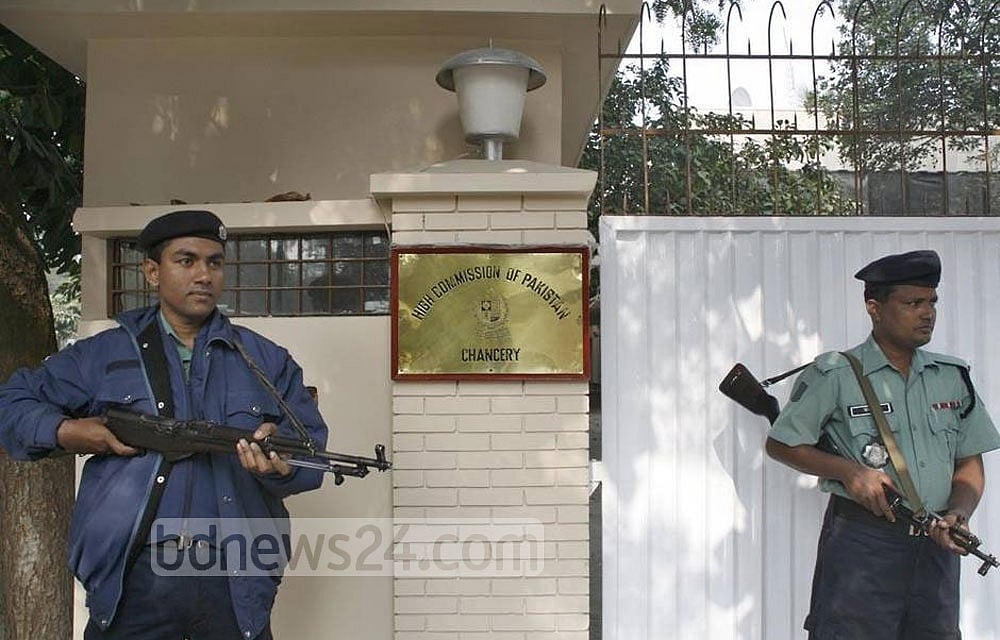
Mizanur Rahman, secretary (bilateral) at the foreign ministry, also handed over a protest note to the envoy on Thursday afternoon.
High Commissioner Shuja Alam arrived at the foreign ministry at about 4.50pm and left Rahman’s room 15 minutes later.
The action by the Bangladesh foreign office appears to have been in response to a similar move by Pakistan regarding a Bangladesh diplomat in Islamabad.
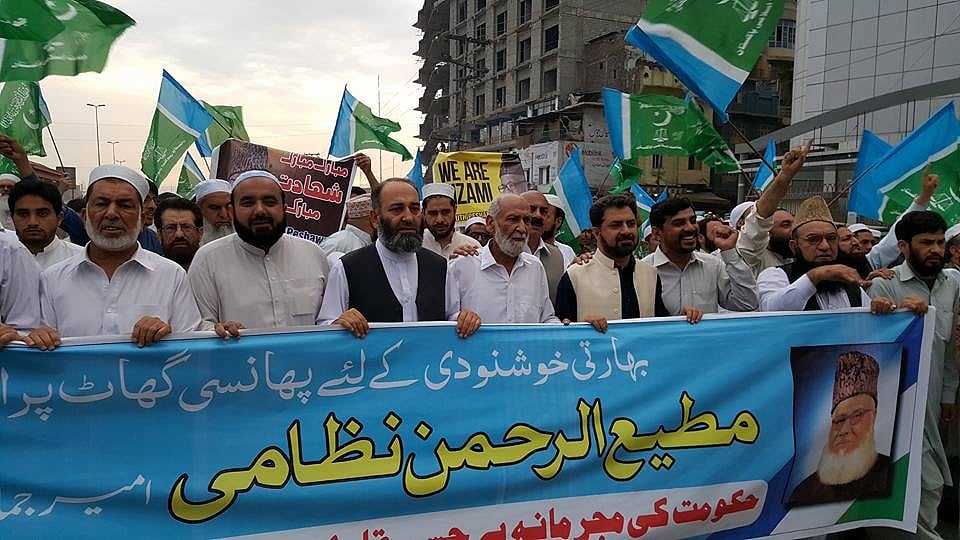
Islamabad summoned Bangladesh’s acting High Commissioner Nazmul Huda to lodge a protest on the execution of war criminal Motiur Rahman Nizami in Dhaka.
Nizami was the chief of the Jamaat-e-Islami that sided with Pakistan to thwart Bangladesh’s independence in 1971.
Earlier on May 9, the foreign ministry summoned Pakistan’s high commissioner following Islamabad’s reaction over the death sentence passed on Nizami.
Dhaka strongly protested the Pakistani statement and handed over a protest note to the high commissioner.
Later, after the execution, Islamabad issued a new statement, stating that the Jamaat chief’s “only sin was upholding the constitution and laws of Pakistan”.
Pakistan also said that as part of the 1974 Tripartite Agreement, the government of Bangladesh "decided not to proceed with the trials as an act of clemency". In response, Bangladesh said the Pakistani statement was “misleading, limited and a partial interpretation” of the agreement.
State Minister for Foreign Affairs Md Shahriar Alam on Wednesday told bdnews24.com that Pakistan was “deliberately” misinterpreting the 1974 agreement and issuing statements in favour of war criminals.
Islamabad has been reacting to the war crimes trials ever since the process began in 2009.
Meanwhile from Islamabad, Md Iqbal Hossain, press counsellor at the Bangladesh High Commission, told bdnews24.com that acting high commissioner Nazmul Huda was summoned to Pakistan’s foreign office at around 11.30am.
He said the Pakistan foreign ministry read out to him the statement it had issued before.
Pakistan also mentioned the resolution passed in its parliament expressing concern over Bangladesh’s war crimes trials.
Pakistan also asked Bangladesh to follow the 1974 tripartite agreement and said it wanted reconciliation over the past.
In reply, the Bangladesh envoy said, Nizami had been executed after the completion of all legal processes. “The nation’s highest court had pronounced the verdict,” he said.
The acting high commissioner also told Islamabad that Pakistan could not interfere in the trials process of an independent and sovereign country.
He also mentioned that Pakistan had been “misinterpreting” the 1974 agreement, Press Counsellor Hossain said.













