Bangladesh may raise swine flu alert level
Bangladesh may raise its H1N1 alert level in light of recent jumps in the number of detected swine flu cases.
bdnews24.com News Service
bdnews24.com
Published :
29 Aug 2009, 12:18 PM
Updated :
12 Aug 2022, 01:41 PM
Dhaka, Aug 29 (bdnews24.com)—Bangladesh may raise its H1N1 alert to level 3, signalling an epidemic, in light of recent jumps in the number of detected swine flu cases.
The government's tally has risen to 194 with 31 new cases confirmed on Saturday, the highest single day jump since the health ministry announced the first confirmed case of swine flu in Bangladesh on June 18.
Dr Mahmudur Rahman of the Institute of Epidemiology, Disease Control and Research (IEDCR) told bdnews24.com initial cases detected in the country had arrived from overseas, but in recent weeks the trend was clearly of rising infections within the country.
Experts at a swine flu seminar, at Bangabandhu Sheikh Mujib Medical University earlier in the day, said there was no cause for panic but stressed the need for better dissemination of information about swine flu to ensure people in both urban and rural areas go for proper treatment and take simple measures to curb the spread of the virus.
Senior scientific officer of IEDCR Mushtuq Husain told the seminar that the country was now at alert level 2, but could soon be at level 3, as the rising number of detected cases gave an indication of the actual spread of the virus across the country.
But, he said, there was no reason to fear, "We have been alert since the day WHO declared a pandemic."
The World Health Organization declared a global H1N1 flu pandemic on June 11. Bangladesh's first case was detected a week later.
Dr Nazrul Islam, former vice chancellor of BSMMU, told the seminar on Saturday, "The spread of swine flu is rising and we cannot remain isolated from it in this globalised world."
But Islam also said there was no reason for panic as doctors across the country were being trained to deal with the situation.
Mushtuq Husain said the country was preparing for level 3. "But the IEDCR or health ministry can't raise the alert."
An epidemic alert for Bangladesh could only be officially declared from the prime minister's office, he said.
"An action plan has been developed to fight this sort of situation, which will be implemented after the prime minister's approval," Husein said.
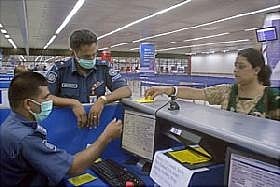
"It might require stricter control at airports and other immigration points. The decisions will come from inter-ministry meetings."
'Alarming but Bangladesh prepared'
Health minister AFM Ruhul Haq said earlier this month that the regional rise in H1N1 cases, and the swine flu fatalities reported in India, was 'alarming' for Bangladesh, but the country was prepared to deal with the situation.
The government has said sufficient stocks of flu drugs are in place and doctors are receiving specialised training on a rolling basis throughout the country.
Officials and experts at Saturday's seminar said the virus was now being transmitted at higher rates within the country, and the public should make use of swine flu treatment facilities in place at every district-level hospital in the country.
WHO reports new severe strain
In its latest flu update on Friday, WHO reported a new form of swine flu that goes straight to the lungs, causing severe illness in otherwise healthy young people and requiring expensive hospital treatment.
It also reported that H1N1 had most recently reached epidemic levels in Japan, and that it was also worsening in tropical regions.
It said minority groups and indigenous populations may also have a higher risk of being severely ill with H1N1, possibly due to to lower standards of living and poor overall health status.
Some medical conditions may increase risk
"Data continue to show that certain medical conditions increase the risk of severe and fatal illness. These include respiratory disease, notably asthma, cardiovascular disease, diabetes and immunosuppression," WHO said.
It estimates that more than 230 million people globally have asthma, and more than 220 million have diabetes. Obesity may also worsen the risk of severe infection.
WHO has previously estimated that H1N1 could infect as many as two billion people, nearly one-third of the world's population, over the next two years.
Symptoms of the virus include fever with high temperature and respiratory problems.
Alimul Islam, professor of Dhaka University's microbiology department, has warned that any laxness in monitoring or public awareness could lead to a more rapid spread the H1N1 flu virus throughout the country in the coming winter.
IEDCR advises schools and offices to grant leave to anyone who displays symptoms of the flu.
bdnews24.com/sit/pks/rah/1835h