


Published : 17 Dec 2015, 01:19 AM
Updated : 19 Oct 2022, 07:06 PM


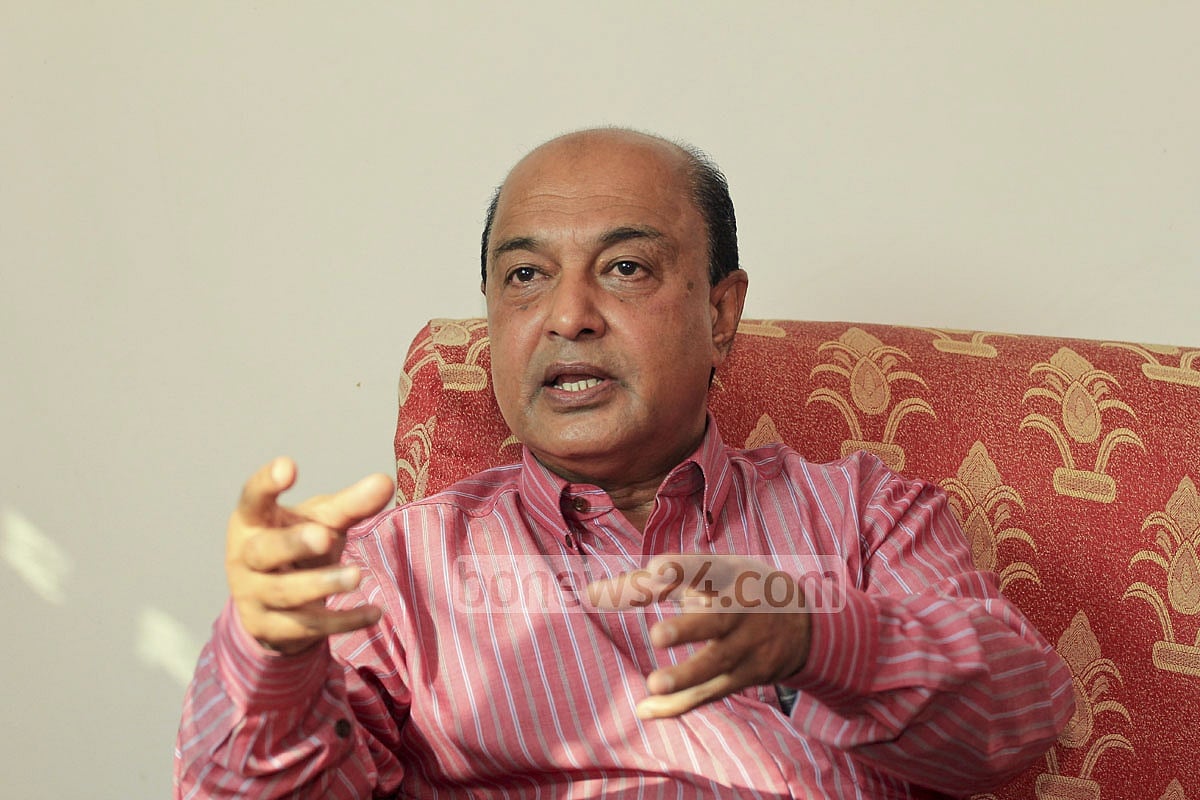
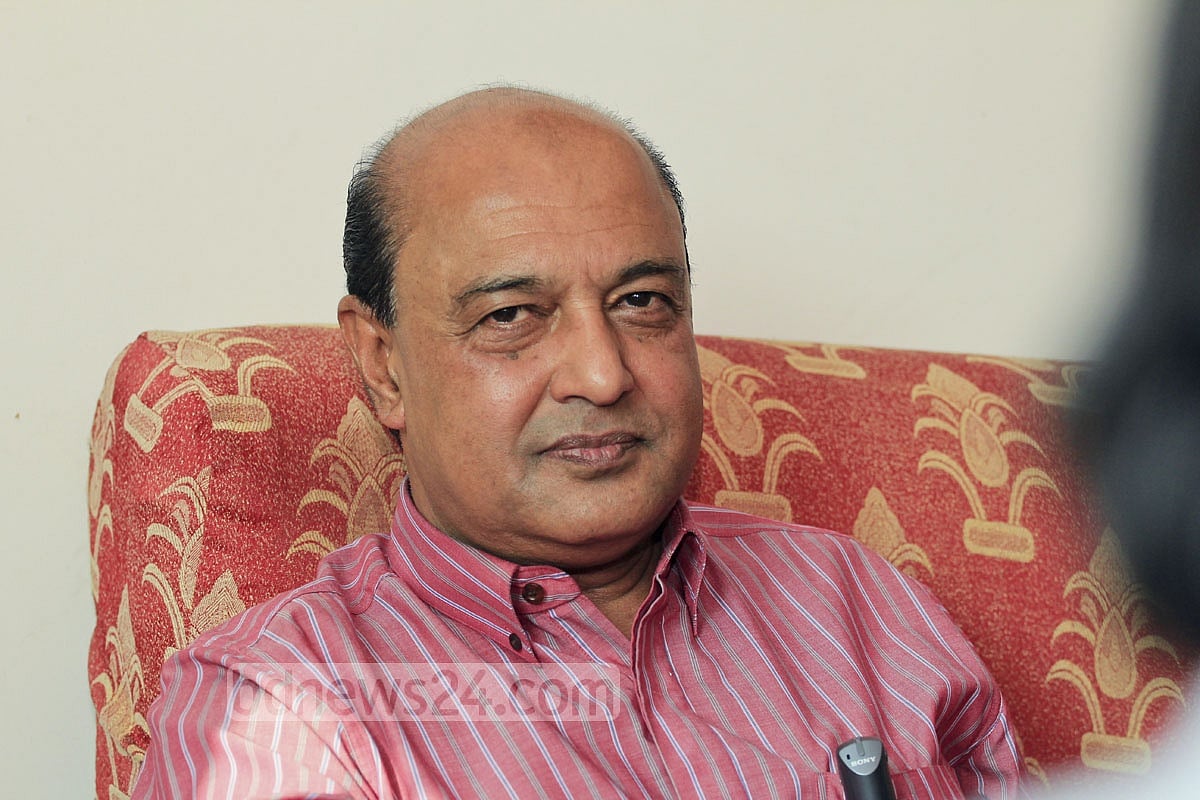
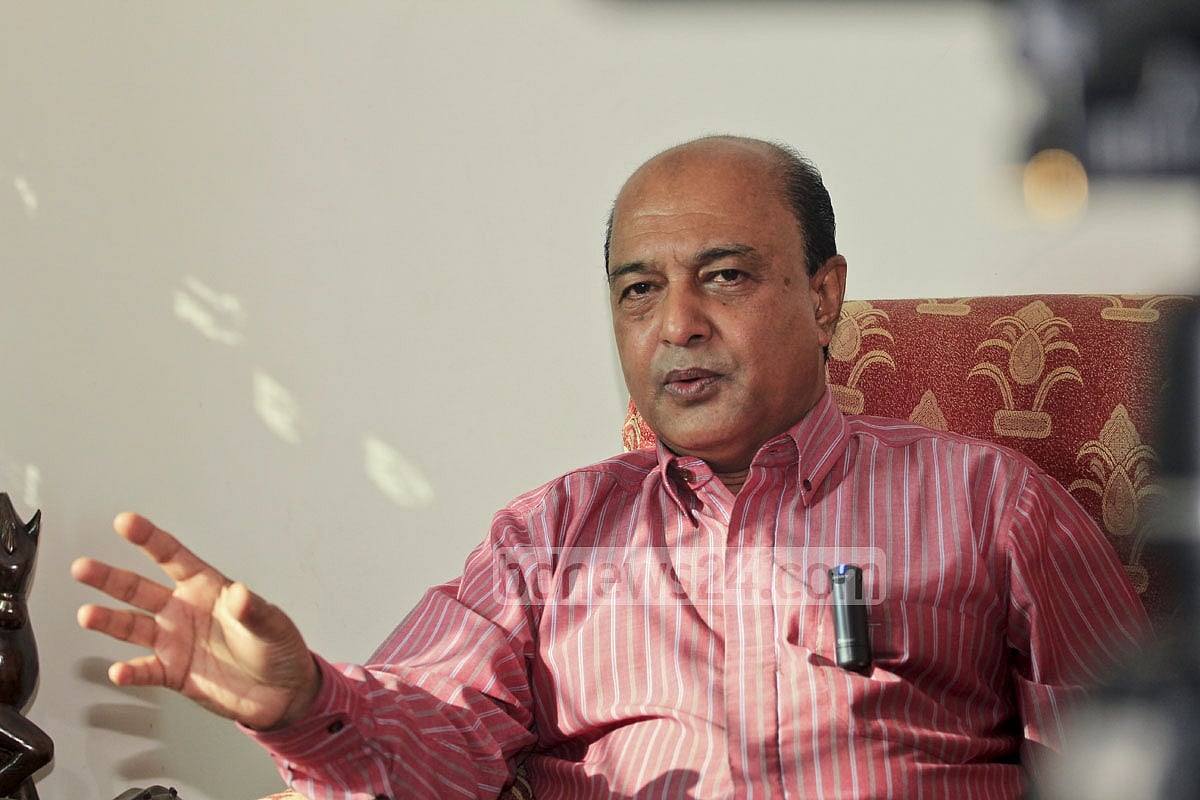
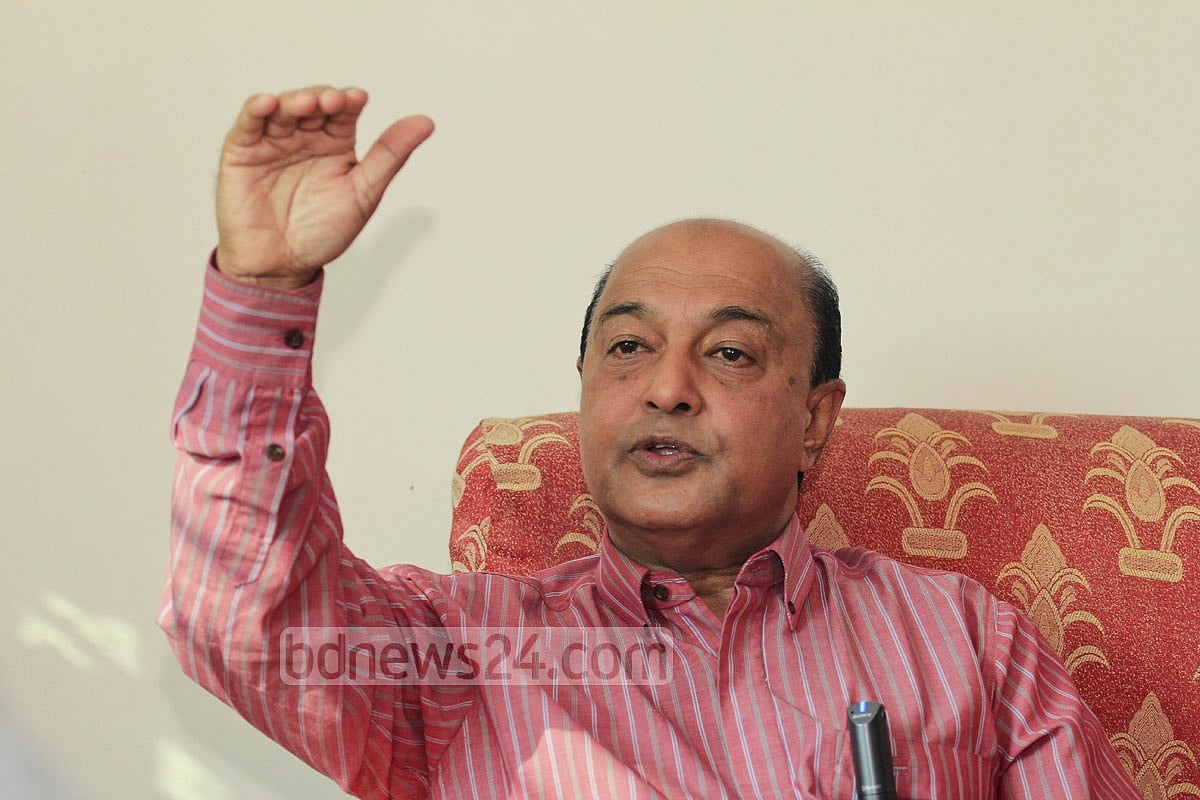
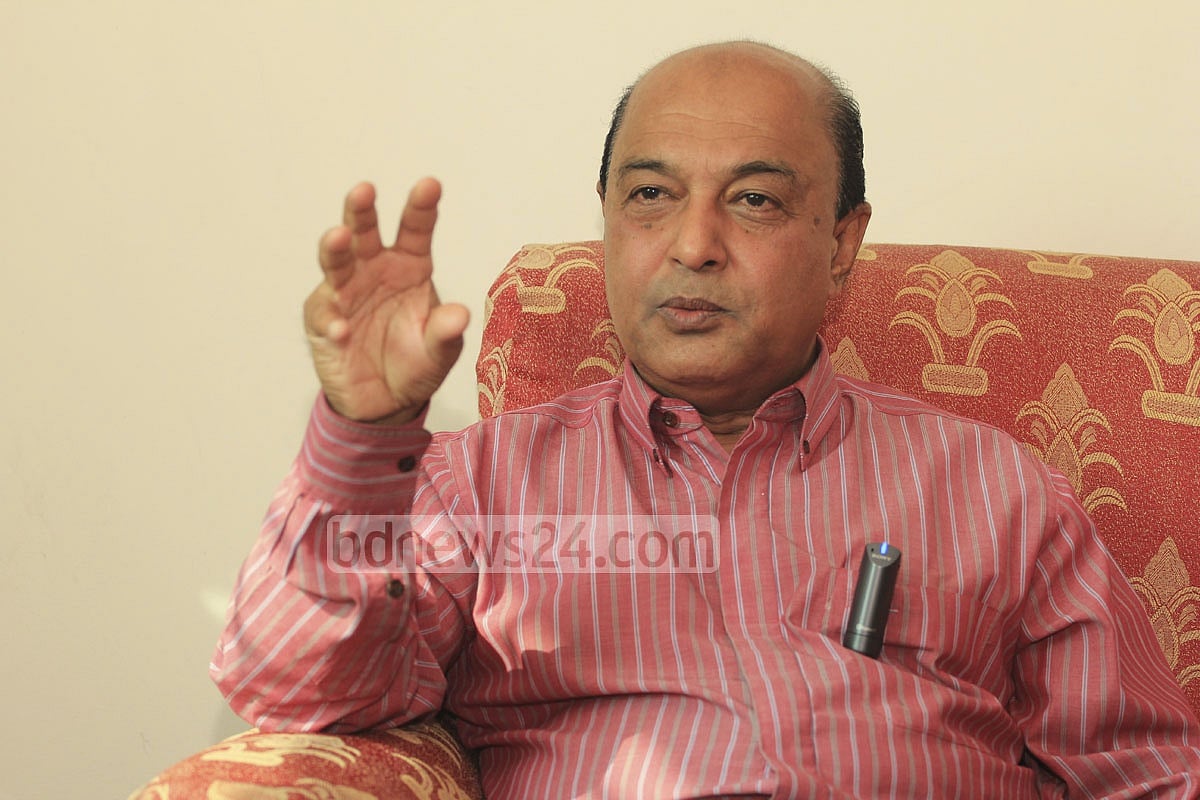
Australia’s Macquarie University Law School professor Muhammad Rafiqul Islam says Bangladesh has set an example for future trials involving crimes against humanity.
In an interview with bdnews24.com, he cites what he describes as ‘double standard’ being pursued by organisations and countries that have expressed doubts about the fairness of the trial process adopted in Bangladesh.
He says, having analysed the war crimes tribunal trials in Bangladesh and other countries, he feels the criticisms hurled at the Bangladesh initiative are motivated.
Islam, a Bangladeshi expatriate living abroad for decades, says, while the Jamaat-e-Islami has ‘poured money’ worldwide to derail the war-crime trials, the government has been found wanting in creating international public opinion in favour of the trials.
Islam, who is the director of the higher degree programme (MPhil and PhD) at Macquarie University, feels Bangladesh has gained by holding the international crimes trials at home.
To back his view, he refers to the poor performance of other international crimes tribunals in other countries.
Some of them had been formed to hold trials on crimes against humanity in African states but ran into difficulties, while others folded up due to dwindling funds, he says
The ICC has failed to conduct trials in both Kenya and Libya, making the system installed in Bangladesh highly imitable, says Islam.
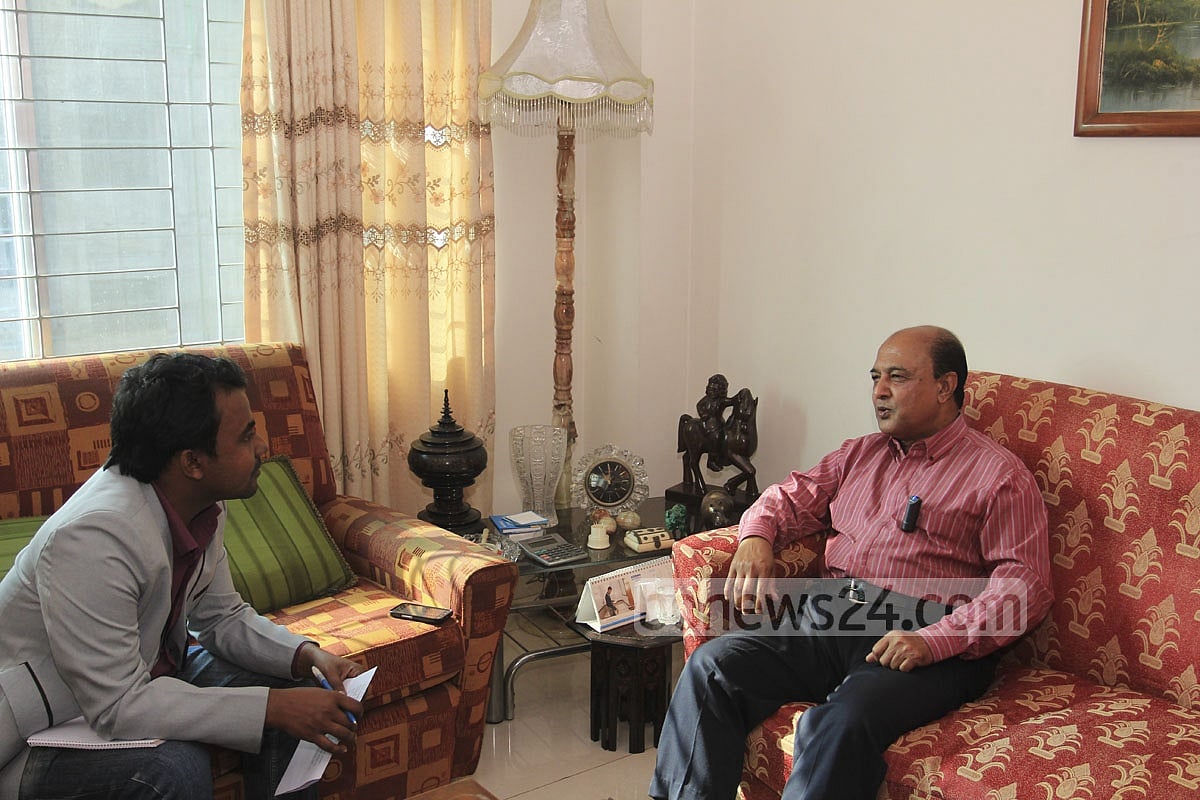
In the interview, Prof Rafiqul Islam discusses various aspects of war-crime trials worldwide and the workings of Bangladesh’s International Crimes Tribunal.
Prof Islam has been interviewed by bdnews24.com correspondent Suliman Niloy, who has been following the tribunal trials from the very beginning.













