


Published : 14 Apr 2022, 01:43 AM
Updated : 21 Oct 2022, 03:41 PM


They will ring in the Bangla New Year 1429 with Chhayanaut’e flagship curtain-raising event at Ramna Batamul in Dhaka at dawn.
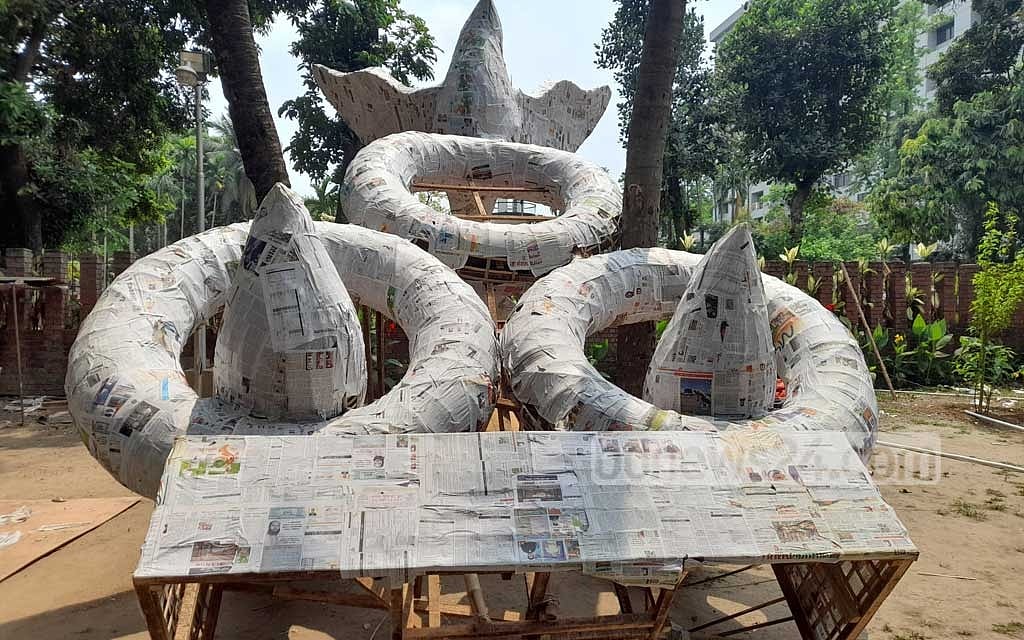
Dhaka University's Institute of Fine Arts has prepared for the fully-fledged return of the colourful Mongol Shobhajatra, a thematic parade that ushers in the new year.
The traditional procession was cancelled in 2020 and was scaled down last year. But as the COVID-19 pandemic continues to ebb away in Bangladesh, the authorities are planning to expand the Mongol Shobhajatra, declared a UNESCO cultural heritage in 2016, to the district and Upazila levels.
Laisa Ahmad Lisa, general secretary of Chhayanaut, said the organisation will be celebrating Pahela Boishakh with an array of cultural programmes at the Ramna Batamul starting at 6 am with the motto of “Nobo Anonde Jago” (Awaken to renewed joy).
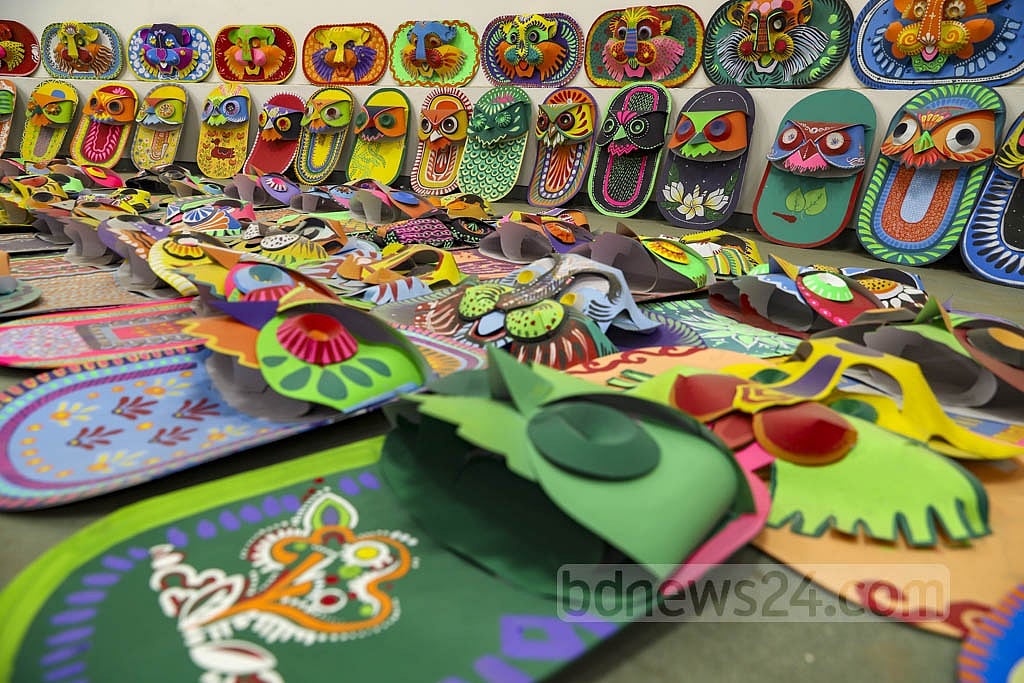
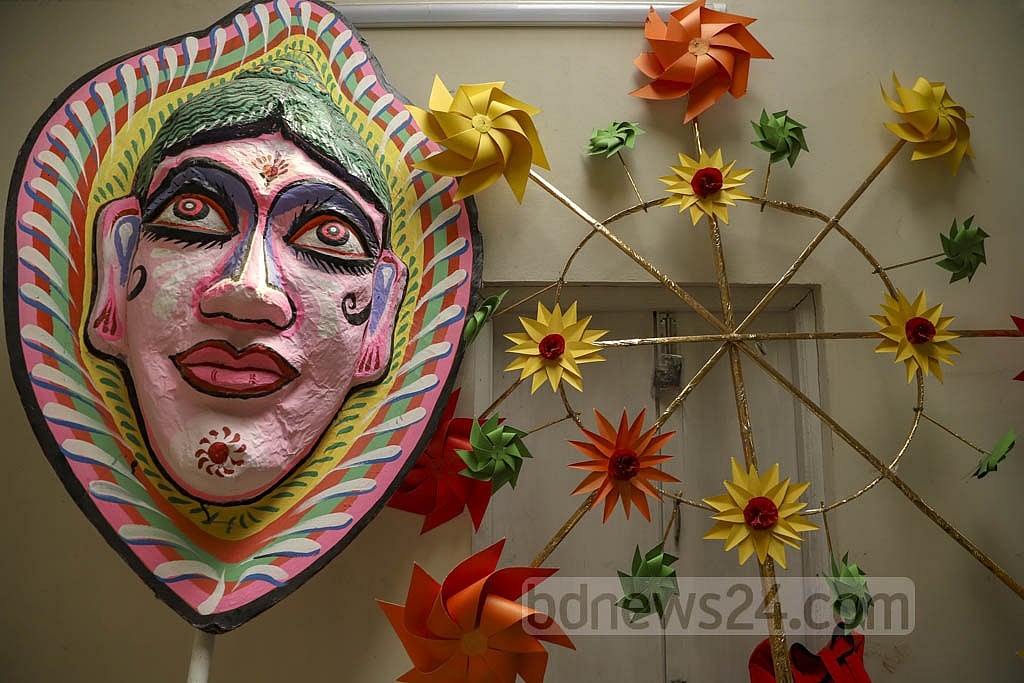
Masks are being prepared for the Mangal Shobhajatra at the Institute of Fine Arts on the Dhaka University campus. Photo: Mahmud Zaman Ovi
Police have taken additional security measures for the event due to “tips on militant activity from foreign allies”, said Dhaka Metropolitan Police Commissioner Md Shafiqul Islam. He also said no one will be allowed to join the Mongol Shobhajatra after the procession starts.
Students have been preparing for a few weeks at the Dhaka University’s Institute of Fine Arts for the Mongol Shobhajatra, even putting up some artworks on display for sale.
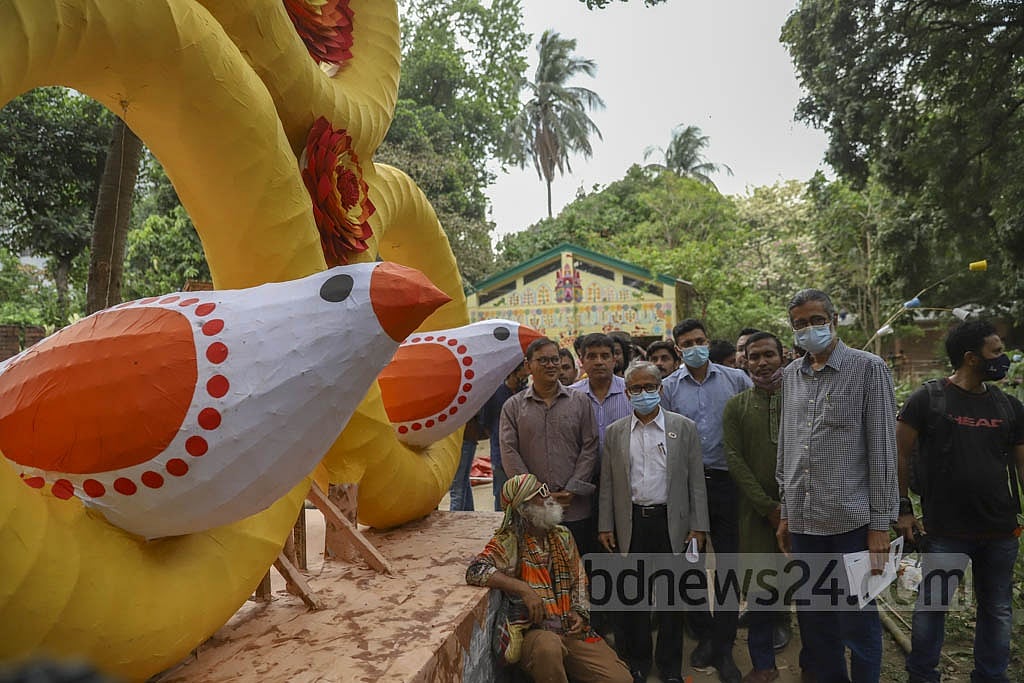
This year's procession will feature five motifs, represented by a large-scale replica of a horse alongside other handcrafted clay figurines and traditional artefacts, all of which are being crafted by artisans under the guidance of students.
President Abdul Hamid and Prime Minister Sheikh Hasina wished all Bangladeshis living in the country and abroad a happy Bangla New Year.
The advent of Baishakh comes to people’s lives with ever new message, Hamid said in a message, adding that forgetting sorrow, decay and failure, everyone wakes up with great joy.
In her message, Hasina said Pahela Boishakh is the day of harmony and the great reunion of Bengalis.
In an address to the nation, she said secular Bengali nationalism is derived from Bengali language, culture and traditions and ignoring it is tantamount to ignoring the independence of Bangladesh.
“Based on the Bengali nationalism that is derived from our language and culture, Bangabandhu Sheikh Mujibur Rahman led the 23 year-long political struggle and the Liberation War that ended with the emergence of Bangladesh as a sovereign nation. Therefore, ignoring our language and culture means ignoring our independence,” Hasina said in her televised address.
Bengalis may practise different religions but they nurture the same culture and traditions, she said.
A number of government organisations will hold programmes to celebrate the Bangla New Year, including the Bangla Academy, Kabi Nazrul Institute, Bangladesh Shilpakala Academy, Bangladesh National Museum and many more. The Bangladesh missions in foreign countries will also host events to commemorate the day.
Although traditional dishes, such as Panta Ilish, and delicacies like Batasha are very popular on the occasion, Pahela Boishakh has come amid Ramadan, the Muslim month of fasting.
Eid-ul-Fitr and Pahela Boishakh are two of the most lucrative periods of the year for fashion and boutique stores in Bangladesh. But this year, the two festivals will be just two weeks apart.
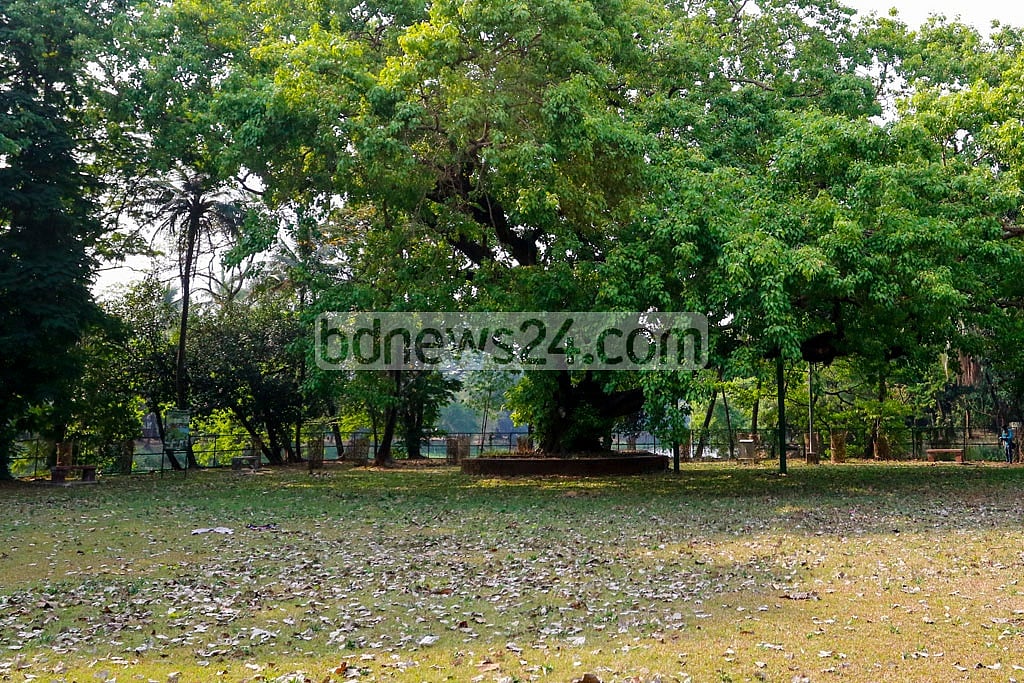
A quiet Ramna Batamul lay barren on the morning of the Bengali New Year amid the coronavirus lockdown. It is a contrasting sight to the buzzing gathering of preceding years.
As the pandemic has ebbed, Pahela Boishakh and Eid-ul-Fitr are expected to be celebrated with the usual vim and vigour. But the short time gap between the two festivals has compelled traders to scale down their sales target and customers to reevaluate their purchasing capacity and wants.
Kamrul Islam, a caretaker of a residential building in Dhaka's Mirpur, always buys new clothes for his family, if not for himself, on Bangla New Year.
But this year marks an exception as Eid-ul-Fitr looms. Mindful of the expenses relating to Eid, Kamrul has decided against buying anything on Pahela Boishakh.
“I’m already struggling to meet household expenses. We have extra expenditures during Ramadan and then Eid is a few days away. I feel like celebrating Pahela Boishakh but I can’t afford to.” he said.













