Published : 21 Mar 2023, 12:31 PM
Updated : 21 Mar 2023, 02:03 PM


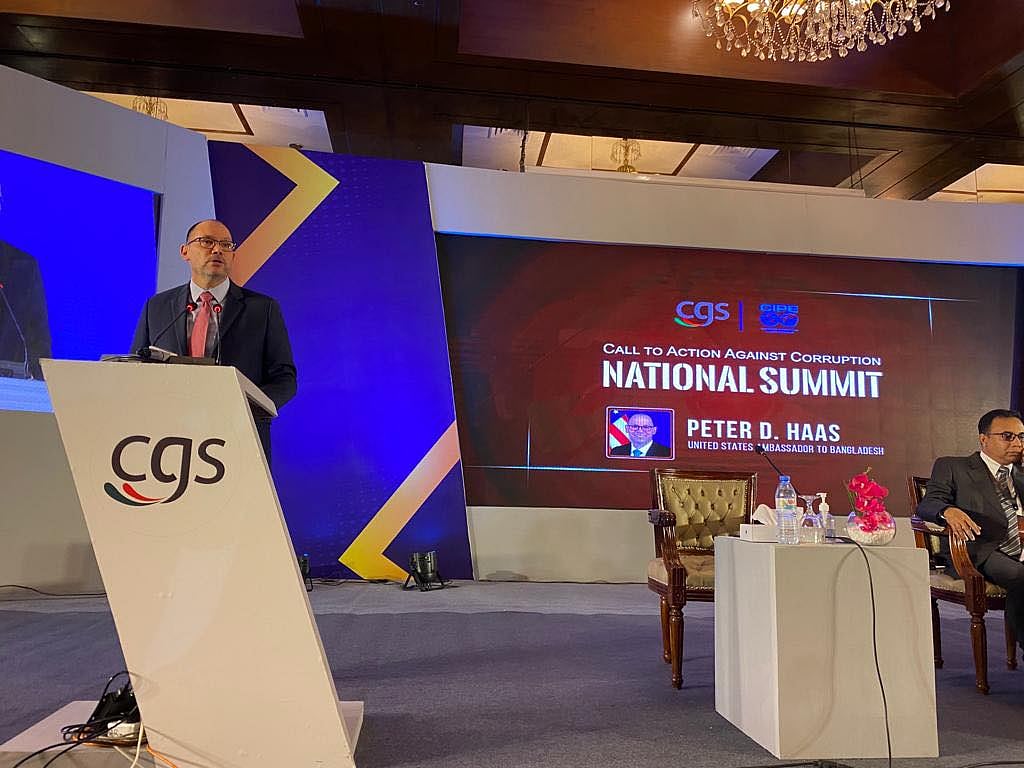
US Ambassador to Dhaka Peter Haas has called corruption a parasite on society that can devastate business and government.
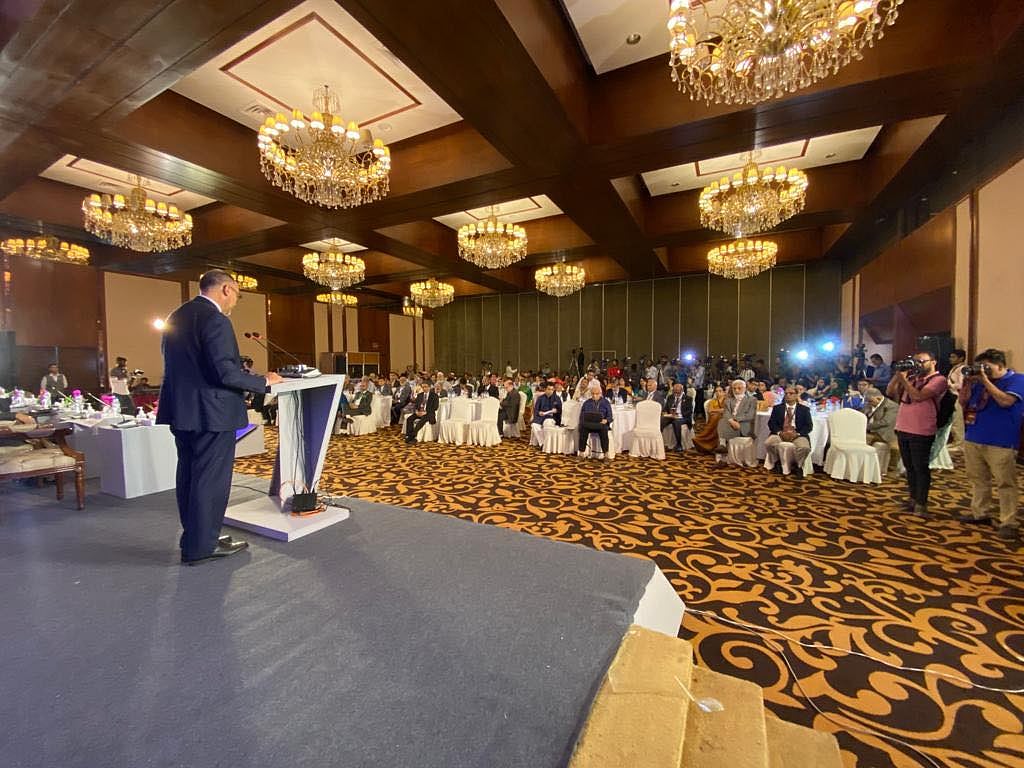
“Corruption is a parasite that feeds on the resources of a society and drains it of its strength. It can devastate every level of business and government,” he said at the Call to Action Against Corruption Summit at the Pan Pacific Sonargaon Hotel in Dhaka on Tuesday.
“Corruption exists, to one degree or another, in every corner of the globe, and we are all too familiar with what it looks like. It’s trying to get a driver’s license and having to pay ‘speed money’. It’s knowing that if you want a passport appointment, it’s going to cost you extra. It’s needing to bribe the right official to register a plot of land you just purchased.”
The US has seen corruption scandals of its own, he said.
“Yet, exposing corruption and holding perpetrators accountable have catalysed economic growth in the United States and elsewhere.”
“When societies exert such efforts, they prosper. I am confident this can be the case here in Bangladesh, as well, and the United States is eager to help.”
The US supports initiatives to help Bangladeshi businesses meet international standards and regulations, making them more competitive globally, Haas said. Promoting ethical business practise can level the playing field for all businesses while encouraging more foreign investment, he added.
USAID initiatives for online registration of businesses and push to allow the private sector to release shipments at ports have allowed these processes to become more transparent and improved the level of trust between businesses and the government.
The US is also working on a number of other projects to improve the legal and business environment of Bangladesh, improve fiscal transparency of municipal government, and train investigators from the Anti-Corruption Commission on investigating and prosecuting money laundering, the US envoy said.
The government of Bangladesh should empower institutions to tackle corruption and promote accountability by replacing cash-based financial transactions handled by officials with online transactions, Haas said.
“Citizens could pay bills, fines, and taxes electronically. Such a process would minimise the opportunity for bureaucrats to overcharge or misplace public funds into their own pockets."
"Let me also recognise here the important role a vibrant civil society and free media play in investigating and exposing instances of corruption.”
He also suggested that multinational companies will more readily invest in countries where corruption is not a major issue.
“But as American business leaders tell me: multinational firms have options on where they invest,” he said.
“And they will choose whichever country has the lowest levels of corruption, the fewest bureaucratic obstacles, the greatest respect for rule of law, and the best logistics infrastructure for their business.”
“If Bangladesh can assure citizens and investors that corruption is less prevalent here than in other markets, it will attract more investment and help the country continue the path of economic growth.”