Published : 05 Aug 2026, 04:05 AM
Updated : 08 Sep 2026, 09:30 AM


Policymakers, economists, development partners and industry leaders have urged a more comprehensive overhaul of Bangladesh's skills development system, urging closer coordination among the government, academia and businesses to produce graduates and workers with market-ready skills.
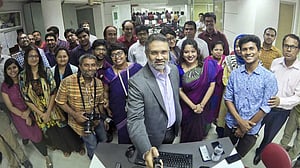
The call came at a roundtable titled "Linking Skills with Employment: Challenges and Way Forward", jointly organised by The Financial Express and the Palli Karma-Sahayak Foundation (PKSF) at PKSF Bhaban-1 in Dhaka.
Speakers said a persistent mismatch between education and labour market needs is preventing Bangladesh from fully benefiting from its demographic dividend, a joint statement from the organisations noted.
They stressed the need for a demand-driven and industry-oriented skills development system aligned with domestic and overseas employment opportunities.
PKSF Managing Director Md Fazlul Kader said perceptions of technical and vocational education must change, while industries should be encouraged to invest more in workforce training.
He also called for internationally recognised certification to improve the employability and protection of Bangladeshi migrant workers, and proposed that PKSF be considered an accreditation body for short-term skills training, the statement added.
PKSF's World Bank-supported RAISE Project Senior Programme Manager Quazi Moshrur-Ul-Alam said Bangladesh has built a training system but lacks an effective mechanism to connect skills with employment.
Ashfakur Rahman, a RAISE graduate apprentice, shared how project-supported training helped him secure a job as a service engineer at Hyundai Bangladesh.
Aneeka Rahman, task team leader of the RAISE Project, said Bangladesh needs to move beyond conventional training programmes and build a complete skills-to-employment ecosystem, noting that around two million people join the working-age population every year.
Other speakers called for institutional reforms, stronger labour market information systems, greater industry participation, expanded technical and vocational education, language training for overseas workers, and investment in emerging technologies, and concluded by saying a coordinated, demand-driven, industry-led skills development system is essential to create sustainable employment and strengthen Bangladesh's global competitiveness.
Speakers included Wage Earners' Welfare Board Project Director (Joint Secretary) ATM Mahbub-ul-Karim, UCEP Bangladesh Executive Director Md Abdul Karim, ESDO Executive Director Md Shahid Uz Zaman, PKSF Governing Body member Md Taufiqul Islam, Financial Institutions Division Joint Secretary (Planning Wing) Kamrul Hoque Maruf, PKSF Deputy Managing Director Md Mashiar Rahman, and SICIP Additional Secretary and Executive Programme Director Mohammed Walid Hossain.
Representatives from the International Labour Organization (ILO), BRAC, research organisations and The Financial Express also participated in the discussion.