


Published : 01 Sep 2019, 08:44 PM
Updated : 17 Oct 2022, 11:45 AM


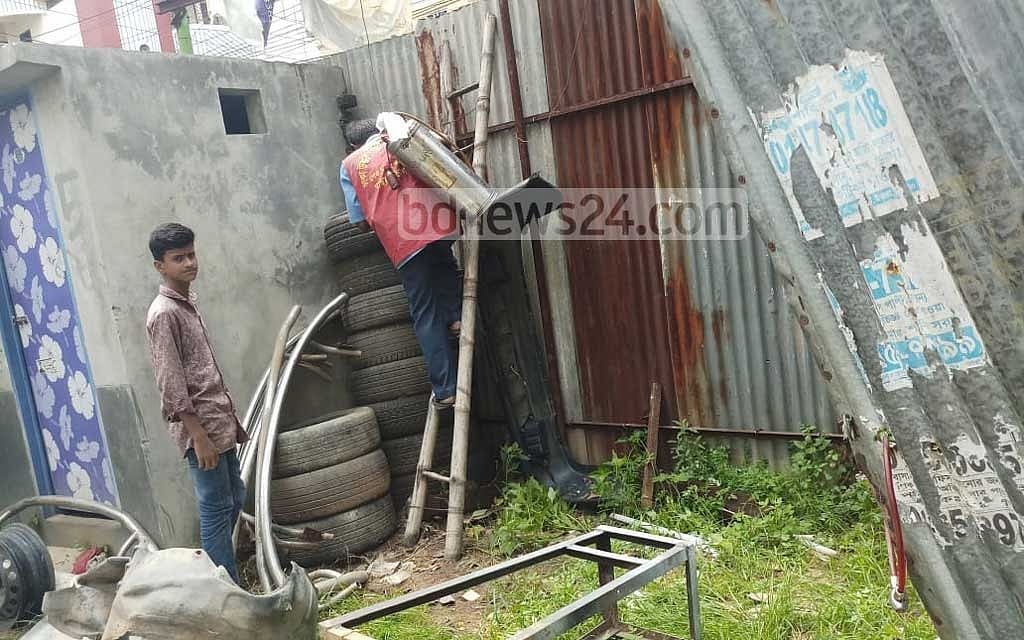
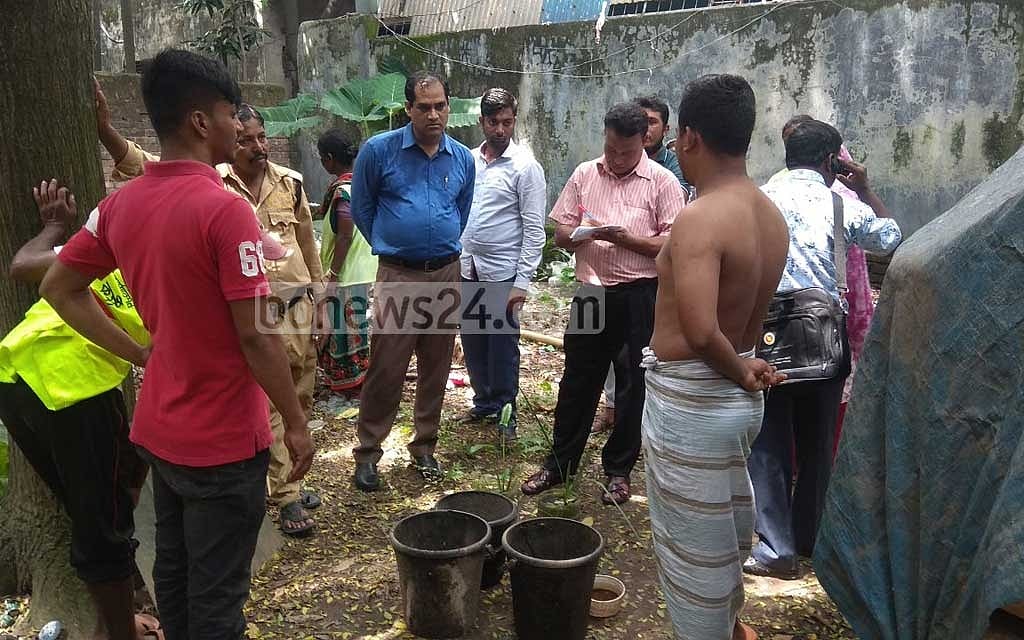
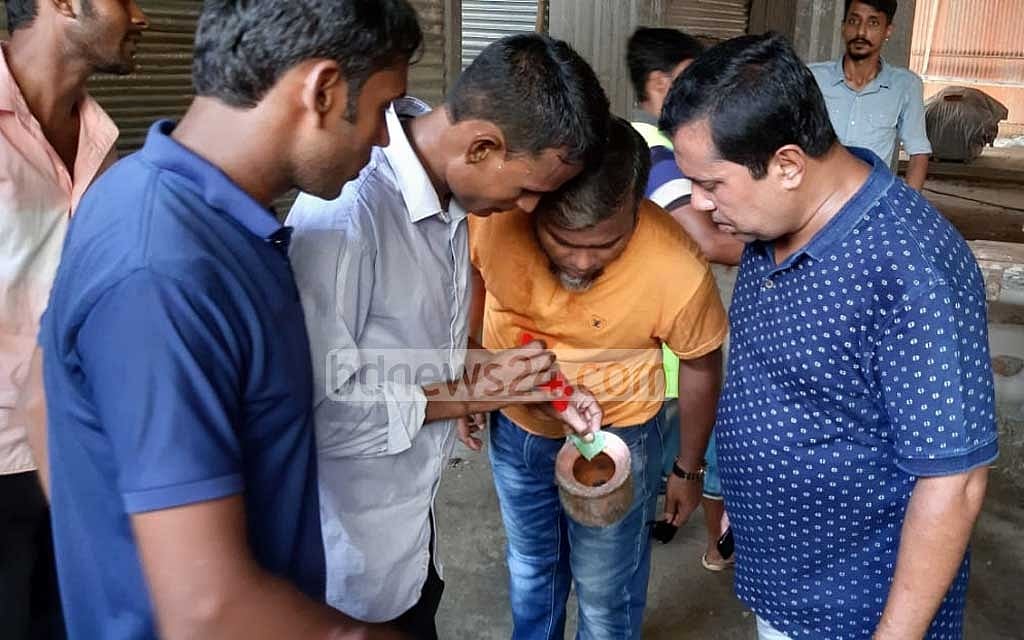
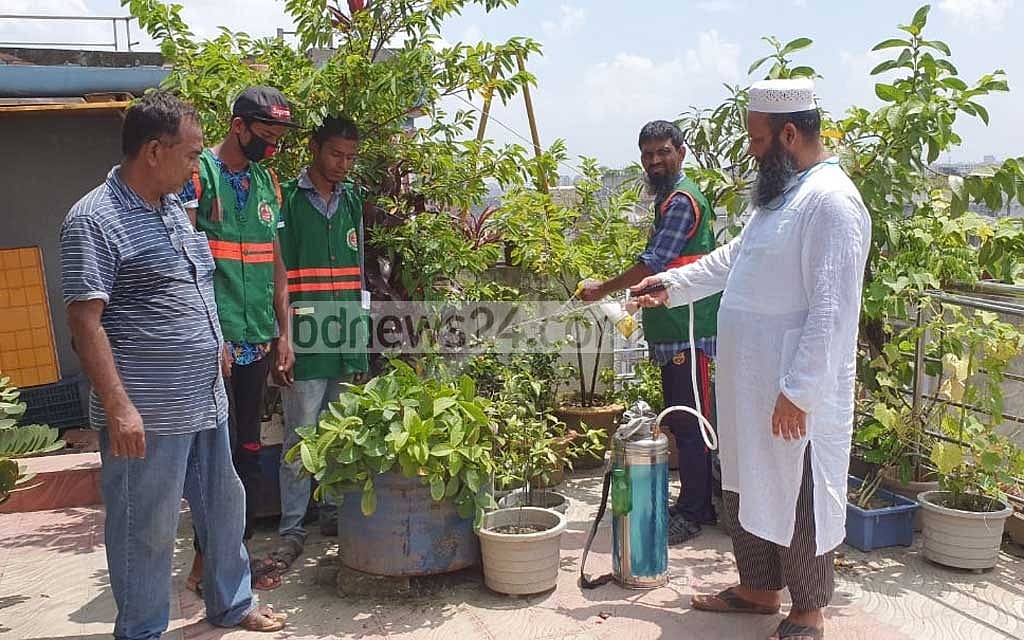
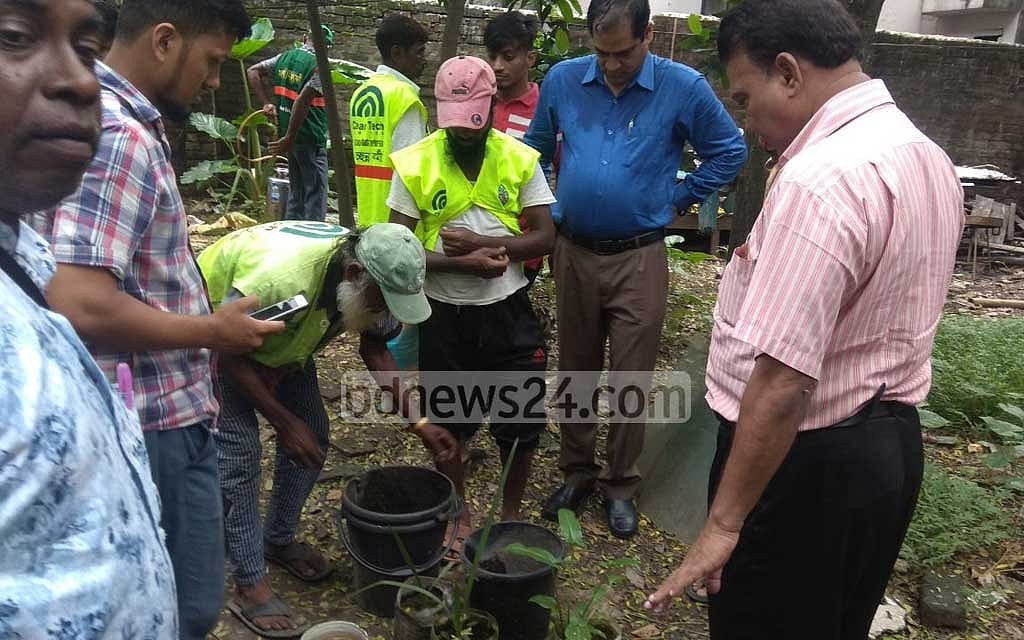
They say they found the environment suitable for ‘mosquito breeding’ in 53.65 percent houses and structures.
The DNCC initiated a ‘combing operation’ against the Aedes larvae since Aug 25 in all households in north Dhaka following an outbreak of dengue in the country.
The DNCC officials have visited 73,815 houses and structures in 36 wards in seven days as on Aug 31 as part of the programme titled ‘Aedes mosquito destruction and special cleaning programme.’
The Aedes larvae was found in 1,540 houses and structures they visited during the drive. Also, the environment was found suitable for mosquito breeding ground in 39,599 houses and structures. Stagnant water was found in those places too.
The drive against Aedes mosquito will continue in all 240,000 houses and structures in Dhaka north, said the officials.
‘Lack of awareness and responsibility’ is causing the spread of Aedes mosquito, said the officials involved in the ‘combing operation.’
Upscale neighbourhoods like Gulshan, Banani, Baridhara and Uttara housed the suitable mosquito breeding grounds more, said Executive Magistrate Mohammed Sazid Anwar.
Most of the people in these neighbourhoods have a wrong notion in regard of Aedes breeding spots, he told bdnews24.com.
There are multiple owners in the multistorey apartment buildings, which creates conflict on the issue of responsibility in cleaning the building. This leads to the proliferation of Aedes mosquito population in those buildings, said Executive Magistrate Sazid.
“Some of them think Aedes mosquito breeds in the drains beside the streets. In some cases, there is no coordination between the apartment owners about cleaning the building, while the Aedes mosquito continues to breed.”
“Some of them nurture a wrong notion; some of them do not pay any heed. They fail to understand that the Aedes mosquito is breeding inside their houses.”
“It’s not that our citizens are unaware. But I think they lack willingness,” Chief Health Officer Brig Gen Mominur Rahman Mamun told bdnews24.com.
“They all realise that this should be done. What they fail to understand is that it is their moral responsibility as well. Some of them have knowledge but no attitude; on the other hand, some of them have knowledge and attitude but no practice.”
The situation is changing gradually, said the chief health officer.
The official death toll for the disease, confirmed by a review committee, stands at 57 this year.
But bdnews24.com tallied a total of 190 deaths, based on the reports of doctors and hospitals across Bangladesh.













