Published : 14 Dec 2025, 07:12 AM
Updated : 21 Aug 2026, 02:52 PM


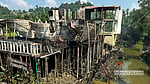
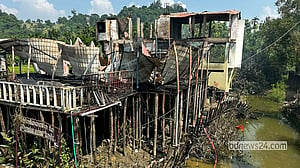
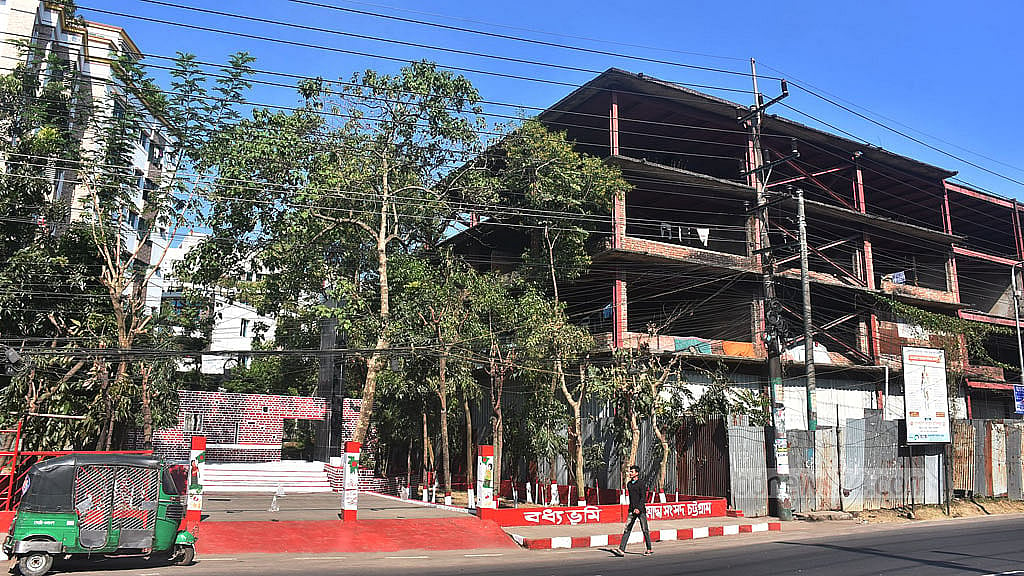
The Pahartoli Baddhyabhumi, one of the largest mass killing grounds of the 1971 Liberation War, in the port city of Chattogram, lies in ruins and under occupation.
A court order was issued nearly a decade ago to protect the site. Budgets have also been allocated. But nothing succeeded in ending the occupation of the killing ground, which is also known as Jalladkhana, or Slaughter House.
The memorial built at the execution site is still surrounded by a structure of the building whose construction had been abandoned halfway through. The memorial remains overrun with weeds most of the time, except for December, when the nation celebrates its Victory Day on the 16th, painting the memorial.
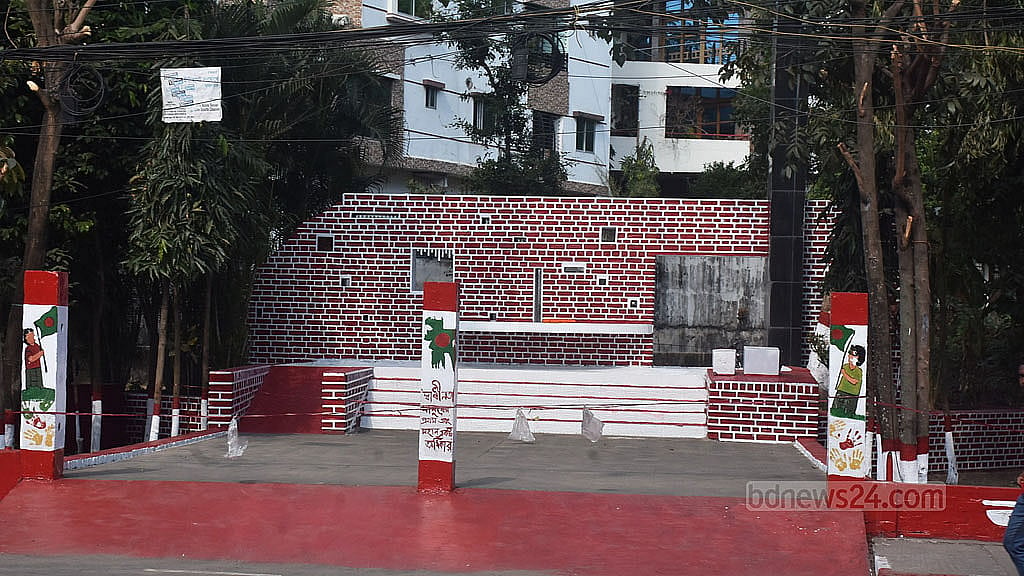
A court order issued on Mar 11, 2014 ruled 0.7 hectares of the site as Pahartoli Baddhyabhumi, or Pahartoli mass killing ground. Researchers said the whole site was found filled with skeletons, skulls and bones of people after the Liberation War.
The court order prompted authorities to twice allocate a budget of Tk 9.2 million to acquire the killing ground land. But the land was never acquired, and money was never spent.
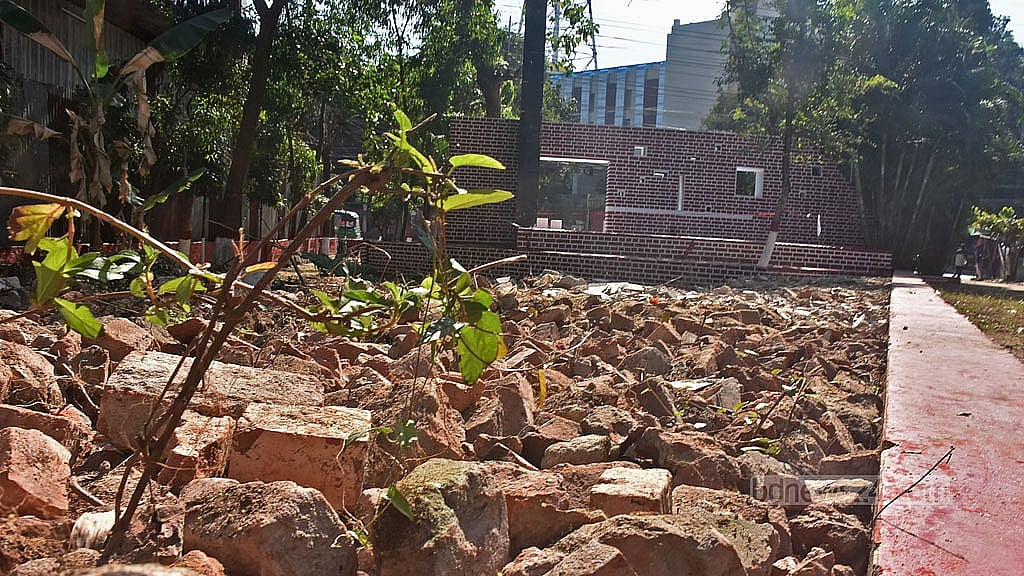
Family members of those slaughtered in the killing field cannot help but sigh when they look at the site. Some have given up hope of ever seeing the site restored to a dignified place.
Those advocating for the protection of the historic site blame its dilapidated condition on the indifference of the district administration.
THE JALLADKHANA, OR SLAUGHTER HOUSE
Pahartoli Shaheed Lane resident Akbar Hossain was a railway employee.
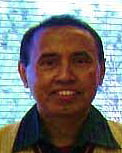
On the 10th of November in 1971, his son Rauful Hossain Suja said his father was taken to the field and slaughtered.
“It was the 20th Ramadan. All of us brothers were freedom fighters. None of us were at home,” he said.
The bodies were thrown into pits there in the killing field and burned with gunpowder, Rauful said.
"There used to be a hill beside the present-day memorial where kidnapped women would be taken to be raped," said Rauful.
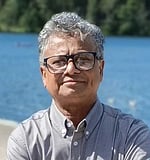
Bangladesher Mukti Songram O Gobeshona Kendra Trust Chairman Mahfuzur Rahman said the killing field is the largest in Bangladesh.
“About 10,000 people have been killed here,” he said.
Besides locals, the Pakistani Army, Razakars, and Biharis took off passengers from trains and brought them to the place for slaughtering, said the researcher, he said.
The murders went on full scale between April and December in 1971.
Several organisatons emerged to protect the site over the last two decades. They fought hard to protect the site from parties trying to build a university and other infrastructure on it.
Chattogram Deputy Commissioner Mohammad Zahidul Islam Mian said he joined the office recently, and he needs time to learn the details of the killing field.