Published : 09 Oct 2026, 11:59 PM
Updated : 09 Oct 2026, 11:59 PM


Bangladesh has sent 41,231 workers to 10 countries classified in the highest-risk category for human trafficking by the US over the 21 months to September 2026, according to official manpower data.
The figures cover the period from January 2025 to September 2026 and relate to countries listed in Tier 3 of the US State Department’s latest Trafficking in Persons (TIP) Report, published on Thursday.
It said Bangladesh has not fully met the minimum standards for eliminating human trafficking, though it continues its efforts to achieve them.
Cambodia received the largest number of Bangladeshi workers, at 15,963, followed by Russia with 7,752 and Laos with 7,532, an analysis of the Bureau of Manpower, Employment and Training (BMET) statistics shows.
The 10 destinations are Cambodia, Russia, Laos, Congo, Belarus, Sudan, Somalia, South Sudan, Libya, and Yemen.
The TIP report assesses governments’ efforts to prevent human trafficking, protect victims and bring perpetrators to justice.
Tier 3 comprises countries whose governments neither fully meet the minimum standards for eliminating trafficking nor are making significant efforts to do so.
The movement of tens of thousands of Bangladeshi workers to these destinations raises questions about recruitment practices, workers’ safety, and the assessment of trafficking risks in overseas labour markets.
Besides Cambodia, Russia and Laos, 5,438 Bangladeshi workers went to the Congo over the period, BMET data shows.
Bangladesh In Tier 2
The US State Department report says Bangladesh has stepped up its efforts to eliminate human trafficking compared with the previous reporting period, but has yet to meet the minimum standards fully. The country remains in Tier 2.
The government has taken several steps, including promulgating the Prevention and Suppression of Human Trafficking and Migrant Smuggling Ordinance 2026, strengthening investigations and prosecutions, and updating guidelines for identifying trafficking crimes and victims.
It has also piloted a digital National Referral Mechanism to improve coordination and speed up referrals to protection services, while taking measures to strengthen safeguards for migrant workers.
The report identifies shortcomings in the government's response. Bangladesh convicted fewer traffickers than in the previous reporting period and did not take adequate measures to address widespread internal trafficking.
Authorities also identified fewer trafficking victims, while protection and rehabilitation efforts remained insufficient, particularly for Rohingya refugees and Bangladeshi migrant workers who had returned home.
The report also criticises the practice of recruitment agencies charging fees to workers, which can leave migrants heavily indebted and increase their vulnerability to trafficking.
It calls for stronger monitoring of migrant workers’ safety and broader diplomatic protection through Bangladeshi embassies in destination countries, particularly in Southeast and West Asia.
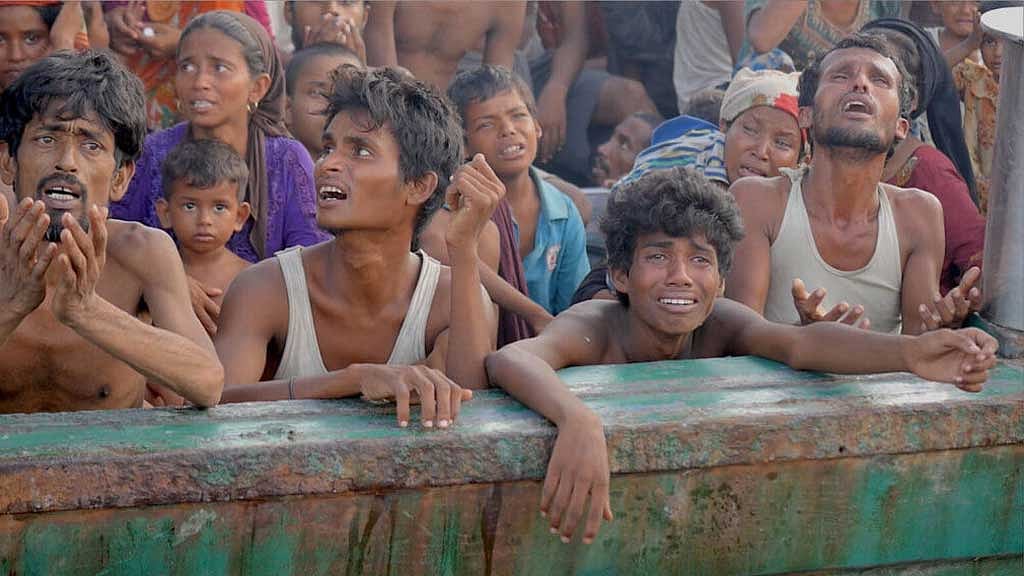
The report also highlights trafficking networks operating in Rohingya camps and inadequate protection and rehabilitation for victims of gender-based violence.
In its recommendations, it urges Bangladesh to eliminate illegal recruitment fees with stronger monitoring of recruitment agencies, identify trafficking victims swiftly, and provide them with adequate legal and mental health support.
It also calls for improvements in the effectiveness of human trafficking tribunals.