Published : 28 Sep 2026, 01:56 PM
Updated : 28 Sep 2026, 01:56 PM


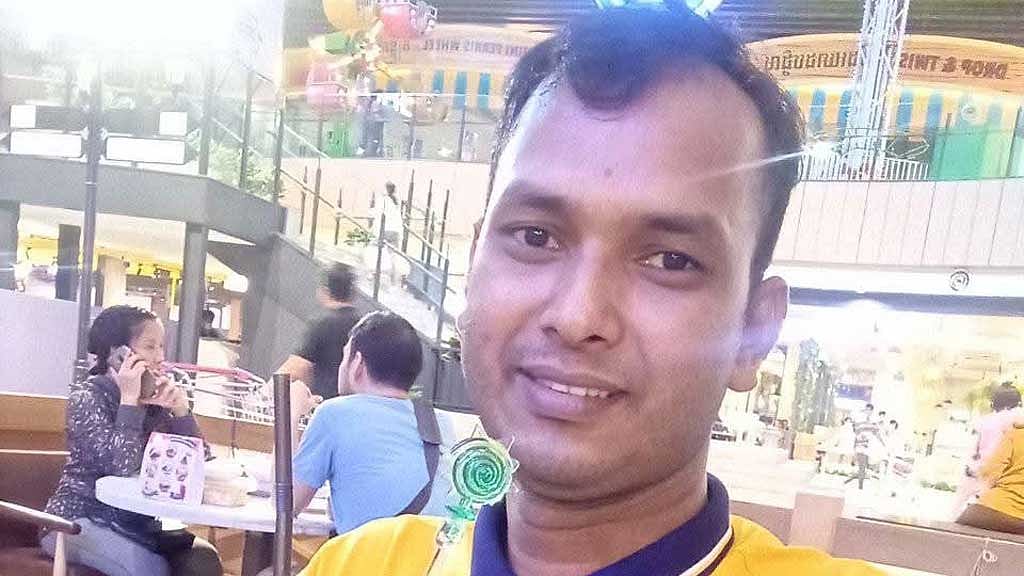
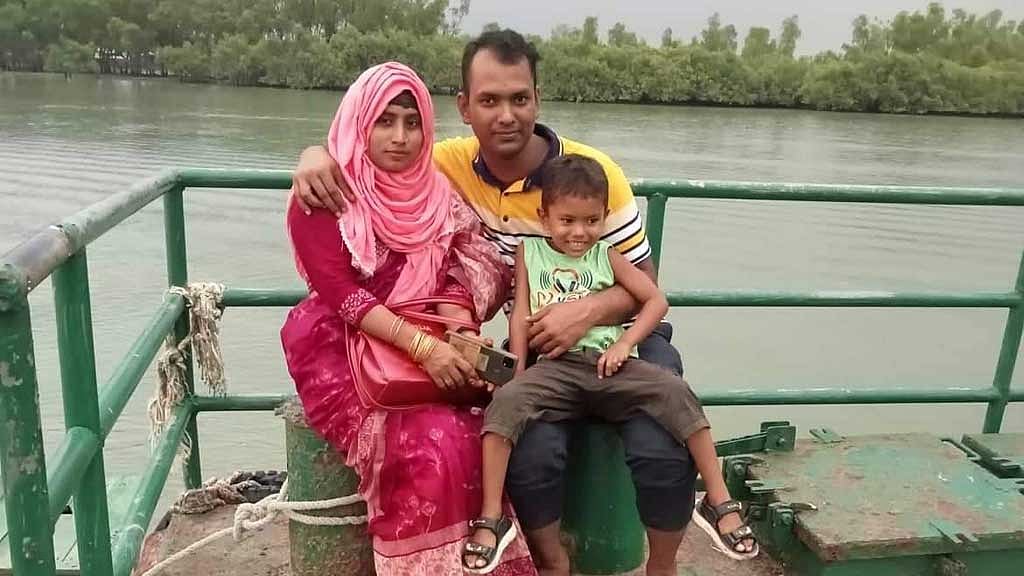
In 2020, Al-Amin from Pabna’s Sujanagar tried his luck and migrated to Cambodia. The young man from Parghorda village lost his life while trying to provide for his family.
Al-Amin died in a road accident in Sihanoukville on Apr 12, 2025. Though a year and a half have passed since the accident, his relatives yet to receive his body.
Al-Amin's family had petitioned the Wage Earners' Welfare Board to bring his body back home 10 days after his death.
After extended administrative delays, his body was scheduled to arrive in Dhaka on Thai Airways flight TG-321 at 12:10pm on Sunday.
His wife Munni Khatun arrived at Dhaka's Shahjalal Airport around 3:30am on Saturday to receive the body. A last-minute flight cancellation means that she must wait even longer to be reunited with her husband.
Flood Causes Bangkok Flight Cancellation
Shariful Islam, deputy director of the expatriate welfare desk at the airport, told bdnews24.com that the flight was cancelled due to a natural disaster and flooding in Thailand’s Bangkok.
Thai Airways also said in a notice on Saturday that several flights operating from Bangkok had been temporarily suspended because of the ongoing flooding. The airline said flights would resume once the situation returned to normal.
Describing her long wait at the airport, a distraught Munni said: “I went to the airport at 3:40am. I was waiting outside after completing all the formalities when the expatriate welfare office called and informed me that the flight had been cancelled and I would not be able to receive the body today.”
She added, “They said the flights were suspended because of flooding in Bangkok. I was not given any clear information about when the body would arrive next. I was told that I would be informed later.”
Family Struggling to Survive
Al-Amin’s sudden death has left his family in great uncertainty. Munni is worried about how she will be able to raise their two sons - aged 15 and nine.
Describing her circumstances, she said: “We have not received any government assistance or financial aid yet. With no other option, I am now offering private tuition to students in Pabna and trying to cover our household expenses and the children’s education costs.”
Masum Khan, Al-Amin’s brother-in-law, said: “I help my sister to some extent for now. My brother-in-law also had some savings in a bank, and the family is somehow managing with the interest from that money.”
Documentation Complications and Authorities’ Response
When asked why it had taken so long to bring the body home, Masum said: “We had no relatives or anyone we could contact in Cambodia. After the accident, we faced tremendous difficulties trying to find which hospital the body was kept in and what documents were required.”
Regarding the alleged lack of administrative assistance, Masum said: “After we submitted the application, we were not given any specific letters or instructions telling us what documents were required. We submitted copies of his passport and visa under our own initiative. If we had known what else was needed, we might have tried to provide those documents.”
Asked about the reason for the delay in repatriating the body, Md Asaduzzaman, director general (additional secretary) of the Wage Earners’ Welfare Board, told bdnews24.com: “When someone dies abroad, there are legal and administrative complications. It is necessary to establish whether the person was involved in any criminal activity and determine the exact cause of death. For this, a no-objection certificate (NOC), death certificate and clearance from the relevant country are required.”
He added, “Bangladesh does not have a direct embassy in Cambodia. Therefore, these procedures are handled through the Bangladesh Embassy in Thailand.
“If the deceased has BMET registration and proper documentation, there should be no obstacle to bringing the body back. Once the necessary documents are received, steps will be taken as quickly as possible.”
BRAC Initiative and Unanswered Questions
After a year and a half in the morgue, the process of bringing Al-Amin’s body back to Bangladesh was finally completed with special assistance from BRAC’s Migration Programme.
A BRAC Migration Programme official questioned why it took one and a half years to repatriate the body even though Al-Amin had gone abroad with all the necessary clearances from the Bureau of Manpower, Employment and Training (BMET).
“An employee went abroad after following all the rules set by the government, yet it took one and a half years to bring his body home after his death. This raises the question of how much risk assessment the state conducts before sending workers to countries where embassy or consular services are limited,” the official told bdnews24.com.
They added, “Safe and secure migration is not limited to just granting permission to go abroad. Legal protection in times of danger, the prompt and dignified repatriation of bodies after death, and standing beside affected families are also fundamental responsibilities of the state.”
Al-Amin’s body may finally reach home, but who will be held accountable for the uncertainty and immense emotional suffering endured by his family over the past one and a half years? the official asked.
They called for policy reforms and swift measures to ensure that no other migrant family has to endure such a long and painful wait in the future.