Published : 28 Oct 2026, 04:12 PM
Updated : 28 Oct 2026, 04:11 PM


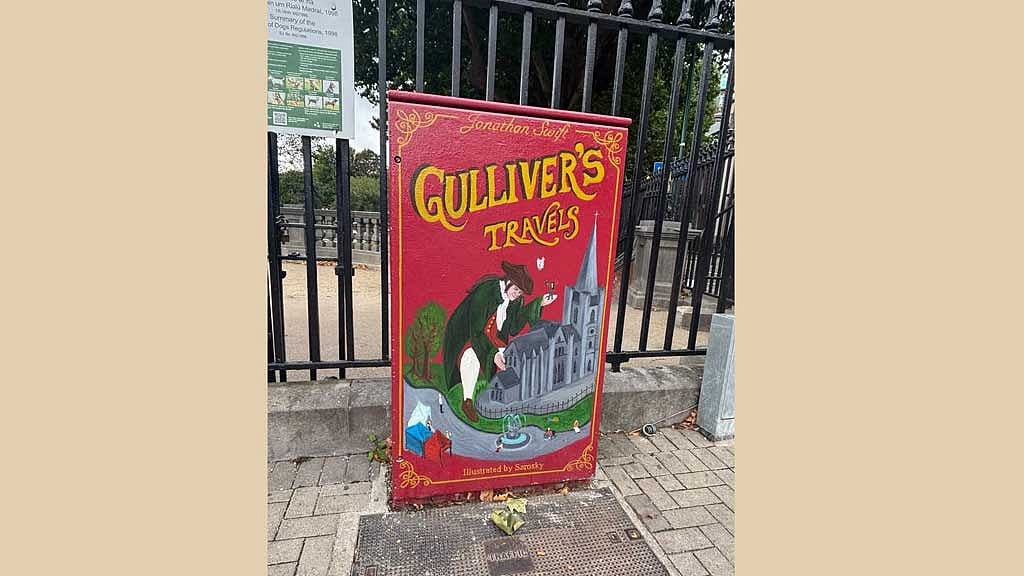
Jonathan Swift’s “Gulliver’s Travels”, the satire a Dublin clergyman once sent to a London publisher under cover of night, has turned 300 and is being celebrated across Ireland.
Exhibitions, festivals, seminars, art competitions and workshops, including at Swift’s alma mater Trinity College Dublin, are exploring the book’s origins, its feminist retelling and its prophetic picture of a society in thrall to artificial intelligence, The Guardian reports.
A panel on art challenging power, and on Gulliver’s attacks on human vanity and scientific arrogance, is due at Trinity on Wednesday, the British newspaper said.
Swift, dean of St Patrick’s Cathedral in Dublin, knew the book would cause trouble and wanted to publish anonymously.
Issued in October 1726 as “Travels into Several Remote Nations of the World”, it skewered Georgian pretensions and entered popular culture through translations, children’s versions, comics and films.
Stephanie Breen, an assistant librarian and co-curator of the Trinity exhibition, told the newspaper it takes viewers to every land Gulliver visited, not just Lilliput.
It draws on hundreds of editions, including a 1976 Marvel comic and the only known copy of an 1761 abridgement.
Co-curator Aileen Douglas, a professor of English, said Gulliver’s neglected wife Mary is given a voice in works such as Alison Fell’s “The Mistress of Lilliput”.
Laputa, she said, echoes modern anxieties about technology.
At the cathedral, a children’s choir will premiere a work by composer Sean Doherty. An exhibition and lecture series runs in County Armagh until December.
Swift’s publisher, Benjamin Motte, did not know the author’s identity, but many guessed.
“People sort of knew it was him,” Douglas said.