


Published : 26 Dec 2018, 08:46 PM
Updated : 19 Oct 2022, 02:26 PM


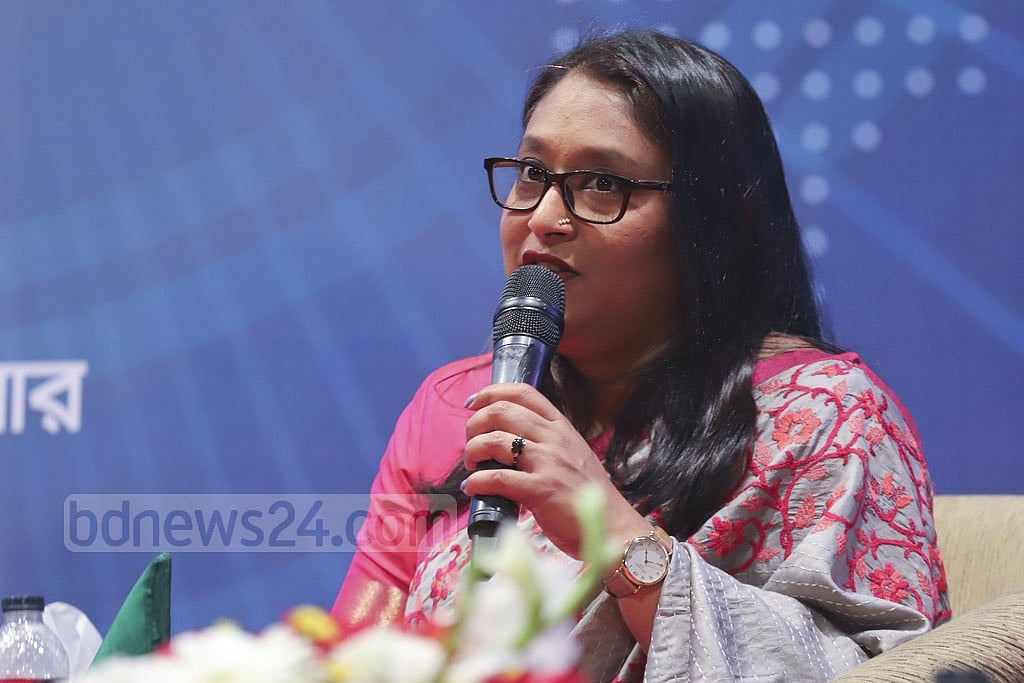
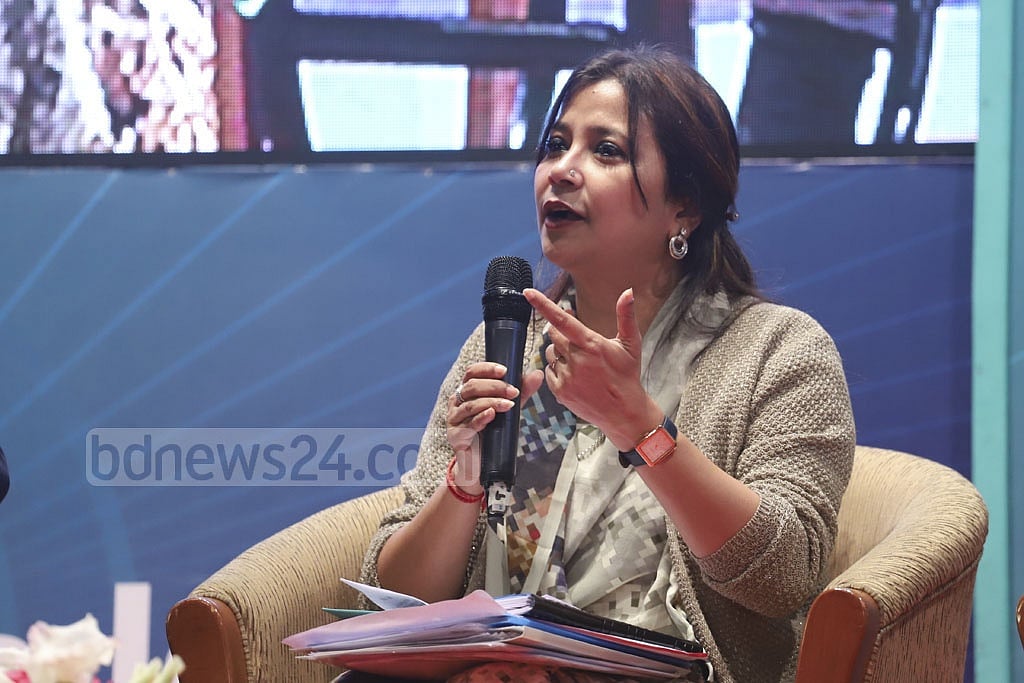
“I would say participate - participate and get involved in all sectors,” the prime minister’s daughter said, adding that she had cast her vote when she became eligible at the age of 18.
“Be involved, be engaged,” she told youths while interacting with them in Dhaka on Wednesday ahead of the elections. “Anyone can complain, but all cannot change,” she added.
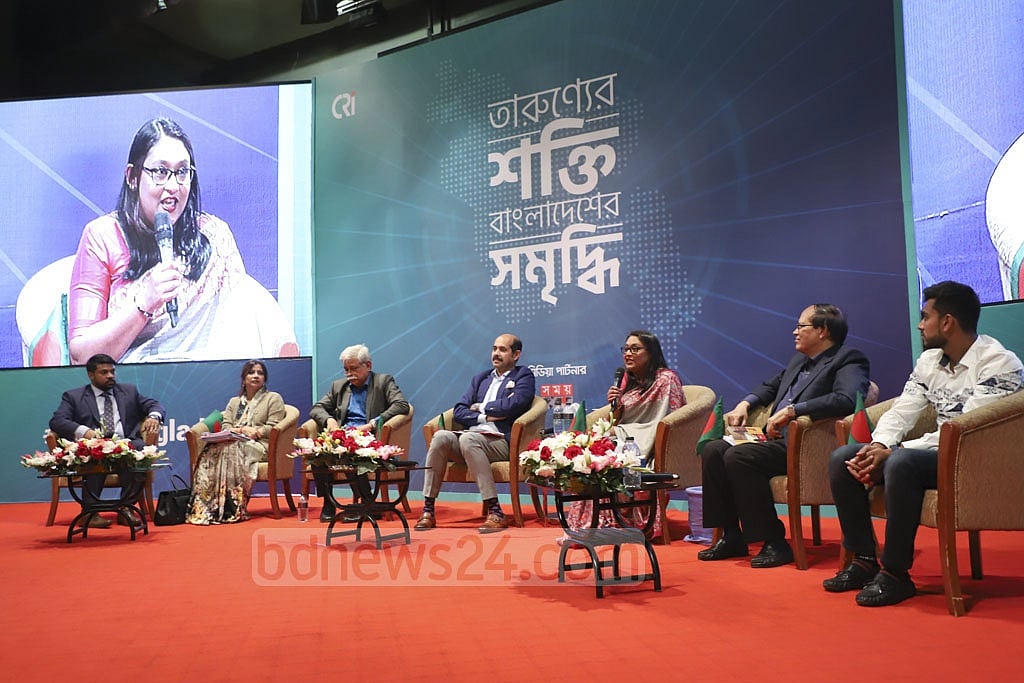
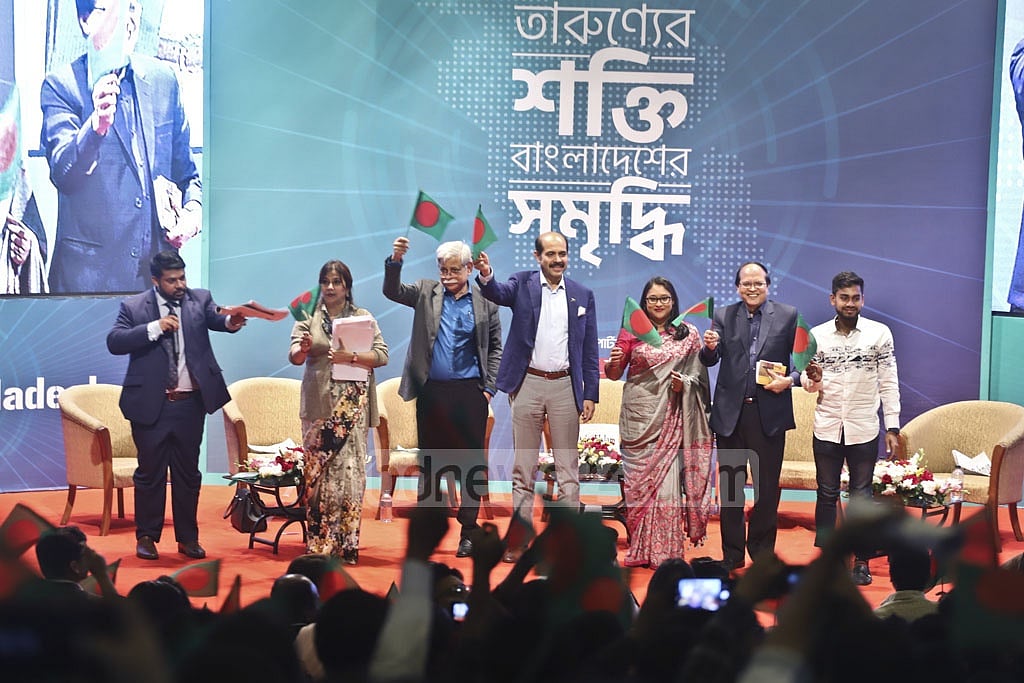
The Centre for Research and Information (CRI) and #IamBangladesh organised a special discussion for the youth on the election manifesto of Bangladesh Awami League.
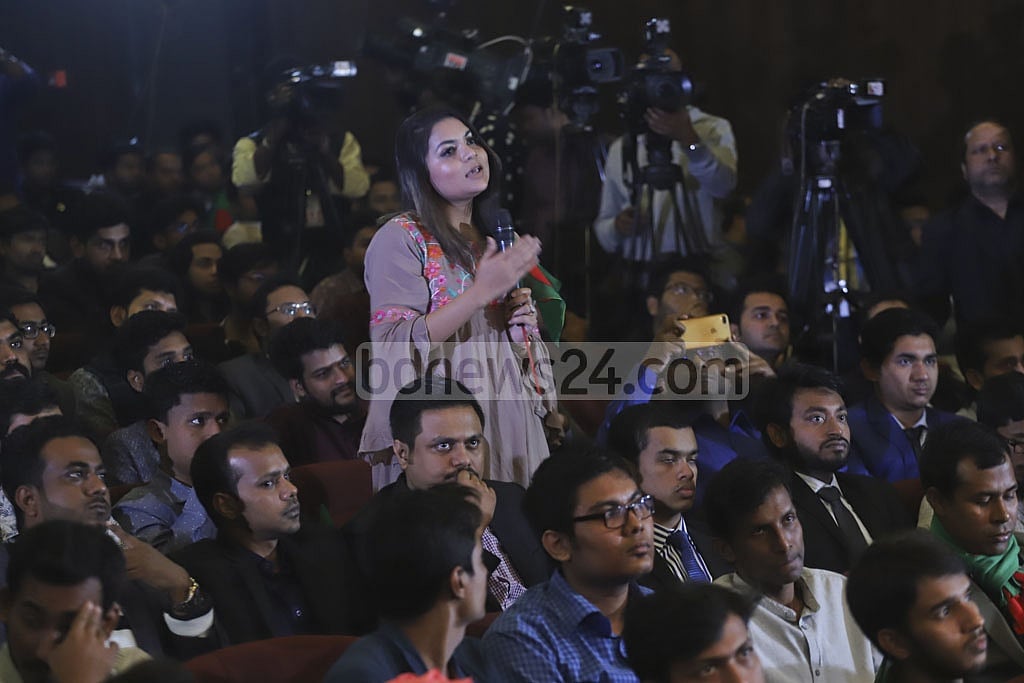
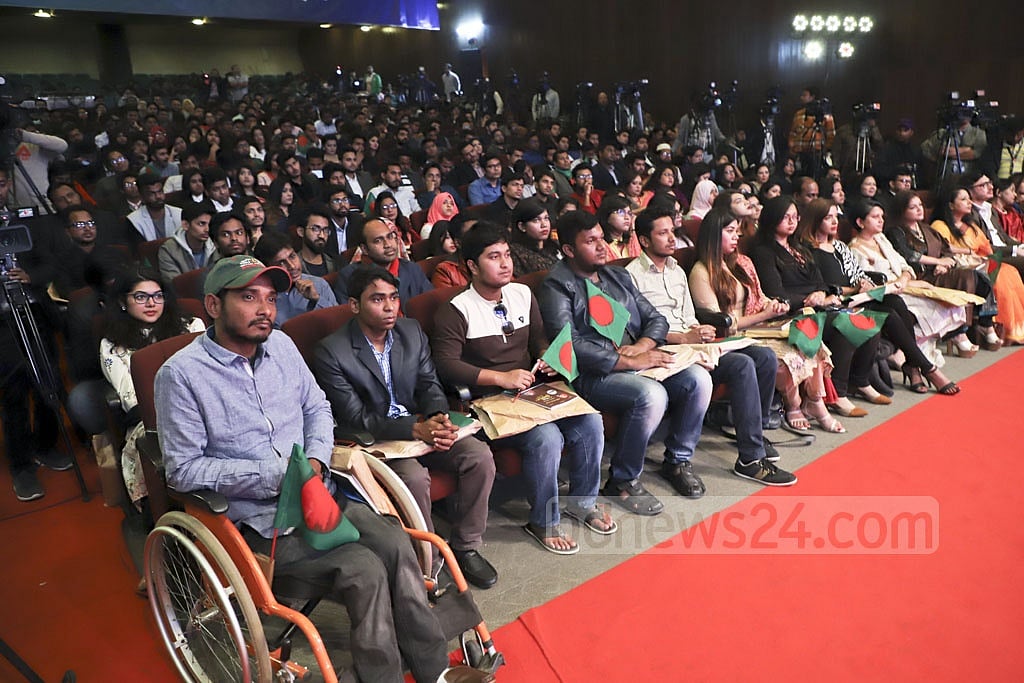
Young people from all over the country – from students to professionals – were afforded the space to take part and ask questions in the event titled ‘Youth power, prosperity of Bangladesh’.
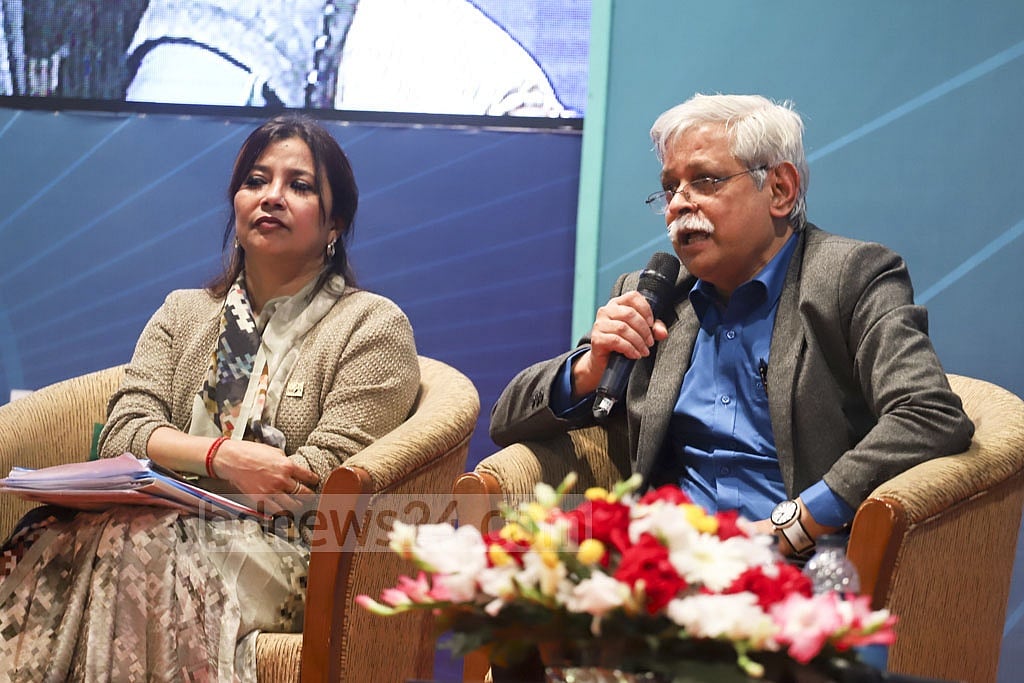
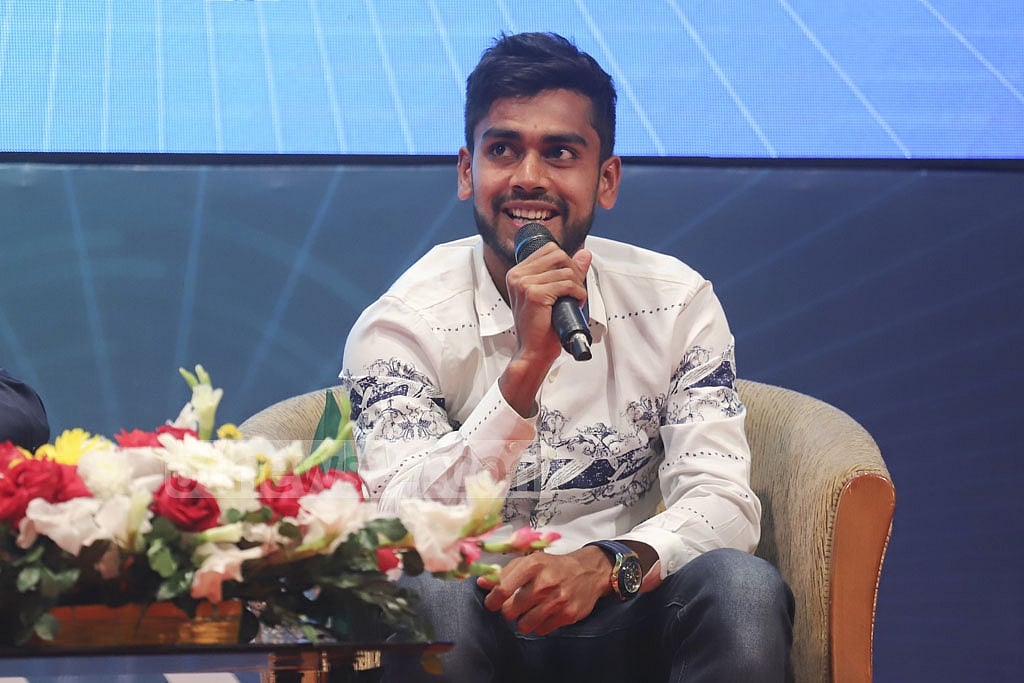
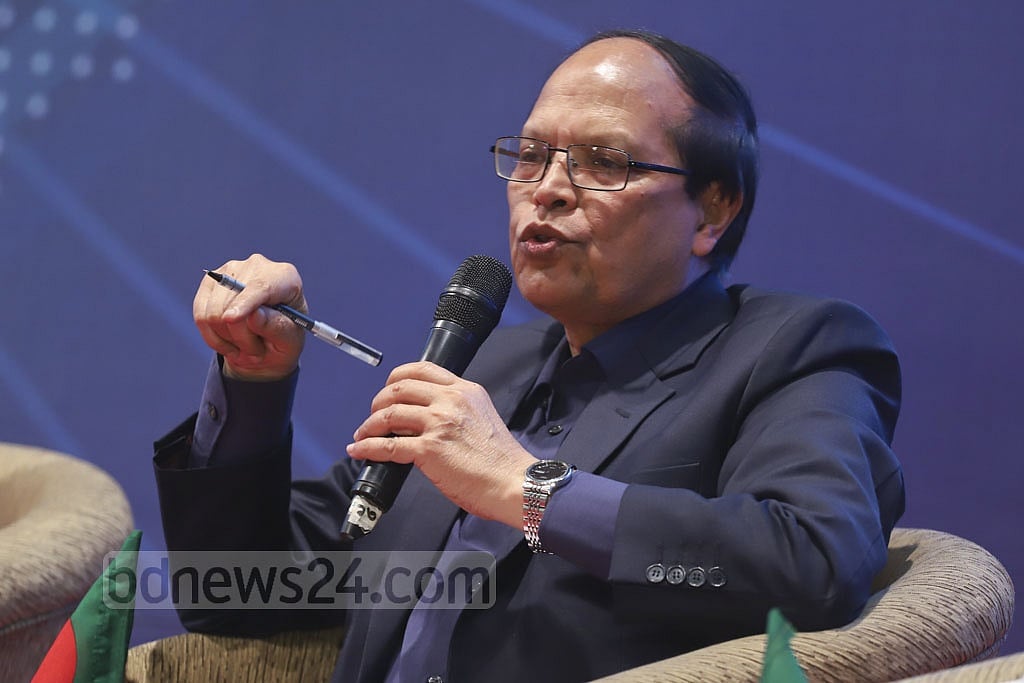
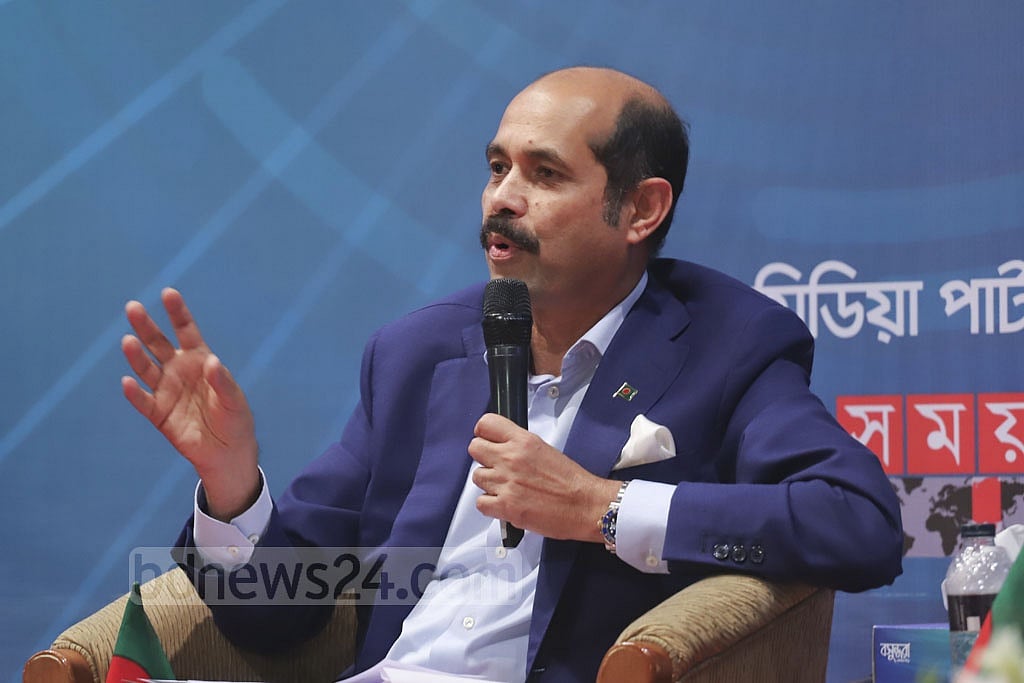
Former governor of Bangladesh Bank Atiur Rahman, academic and writer Muhammed Zafar Iqbal, former president of BGMEA Atiqul Islam, State Minister for Information Tarana Halim, and cricketer Mehidy Hasan Miraz were the other speakers at the event moderated by CRI’s Senior Analyst Shah Ali Farhad.
The political parties are now trying to woo the young voters with a slew of promises in their election manifestos.
The Awami League, which has been in power for 10 years, has promised to put Bangladesh on a ‘highway to development’ and insert younger generations into positions of leadership in its manifesto.
Party chief Hasina has said her party will ensure ‘sustainable investment and inclusive development’ if elected for the third time.
In 2008, the Awami League’s manifesto was titled ‘A Charter for Change’. In 2014, it was ‘Bangladesh Moves Forward’. Its manifesto for the Dec 30 polls is ‘Bangladesh on Path to Progress and Prosperity’.
With the slogan ‘Tarunner Shokti, Bangladesher Somriddhi’, the chapter on youth in the manifesto highlights the aim to harness the strength of the youth for the continued prosperity of the country along with ensuring their own total development.
It promises to generate more than 15 million jobs in the next five years. To that end, the party plans to extend the coverage of the National Service Programme to all Upazilas (sub-districts).
The starting point is the pledge to fully implement the National Youth Policy 2017 through the formulation of a ‘Plan of Action’.
The Awami League has also promised to introduce youth budget every financial year following the success of a gender-responsive budget which is being implemented successfully by the Awami League government since 2009.
There is also the proposal for forming a ‘Youth Research Centre’ under the ministry for undertaking scientific and sound research into the needs and aspirations of the youth.
Education, skills development and employment are important issues for the youth and as such, have been afforded the importance in the Awami League manifesto.
Emphasis has been laid on improving the quality of education through focusing on technical and vocational education, more research funds in higher education, increased importance of science and technology and the enhanced use of information and communications technology.
A ‘Youth Plan’ has been proposed which will ensure cheaper internet and mobile facilities for the youth.
Zafar Iqbal was happy to read that the Awami League will increase budget for research in universities.
“Fifty million children go to schools in Bangladesh. This number is twice the total population of Australia. So if we can just educate them, they will take the country forward.
“Once there were no budgets for research in universities. In the last few years, we got budgets,” he said.
Now an equal number of boys and girls are going to school, he said highlighting some successes of the Awami League government.
Cricketer Miraz recalled his international debut in 2016 and said how he was inspired by the phone call from Prime Minister Sheikh Hasina after his England tour when he got record 19 wickets in two Tests.
“Now new cricketers get a lot of facilities which we did not see even in 2007,” the young cricketer said.
Tarana Halim said Awami League does what it promises. “We don’t make any false promise,” she said, adding that the party has implemented more than 90 percent of the election promises made before the 2014 elections.
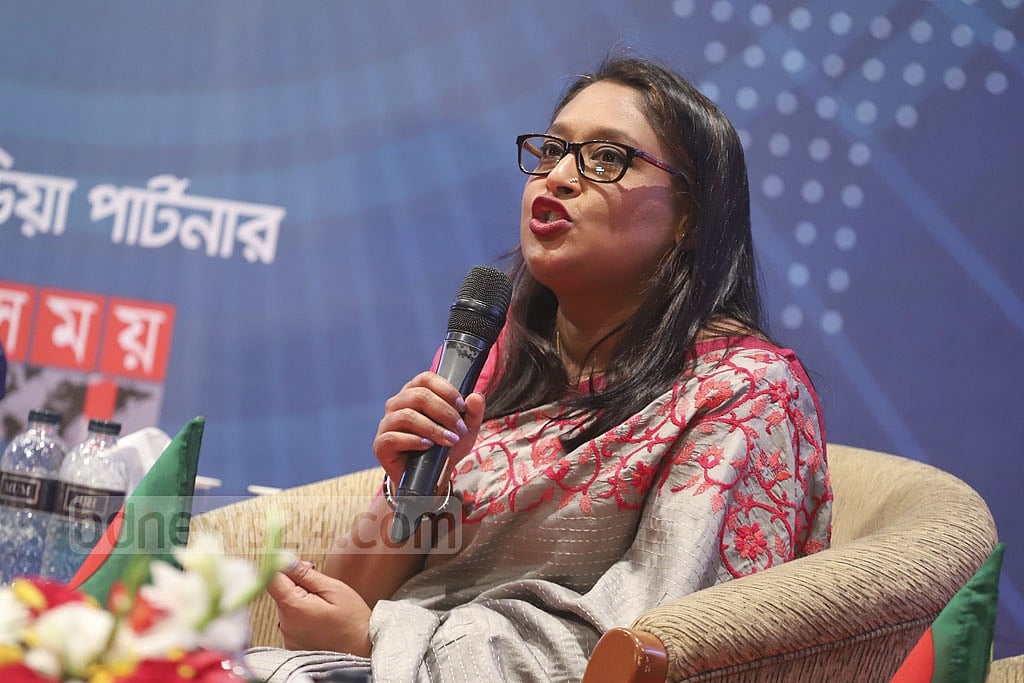
Saima Wazed, the WHO expert on mental health, said she was happy to see the disability issue in the election manifesto.
“I read the manifesto just yesterday to prepare for the programme. All will think I have influenced my mother or Awami League presidium members, but there was no need to do so. This is a big achievement.
“Very few countries could say that they have given importance to the issue of disability. We have to be proud of that,” she said.
“But disability is a complex issue. There is no fixed formula like what we have for education or economic sectors.
“But this is one issue where we are finding out our own path. And all countries will look at us and will follow our path,” she said, adding “we have many things to do”.













