


Published : 28 Dec 2018, 04:47 AM
Updated : 19 Oct 2022, 02:26 PM


Also Read:
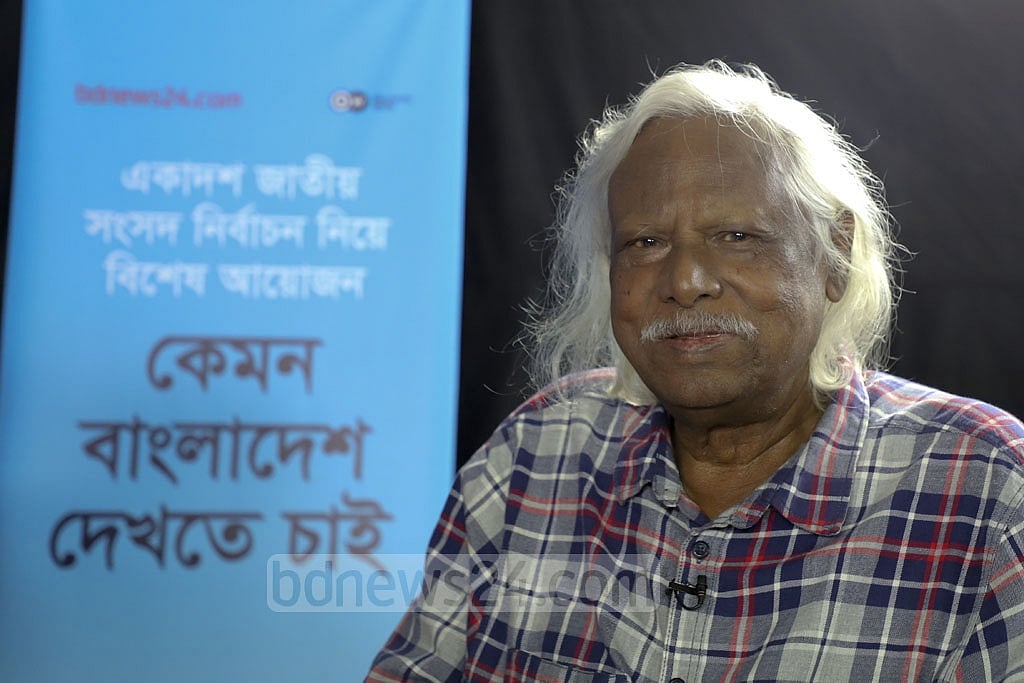
BNP manifesto silent on war crimes trialsZafrullah, a doctor by training, is a familiar face in the meetings of the Jatiya Oikya Front, an alliance of the party forged with Dr Kamal Hossain ahead of the Dec 30 polls.
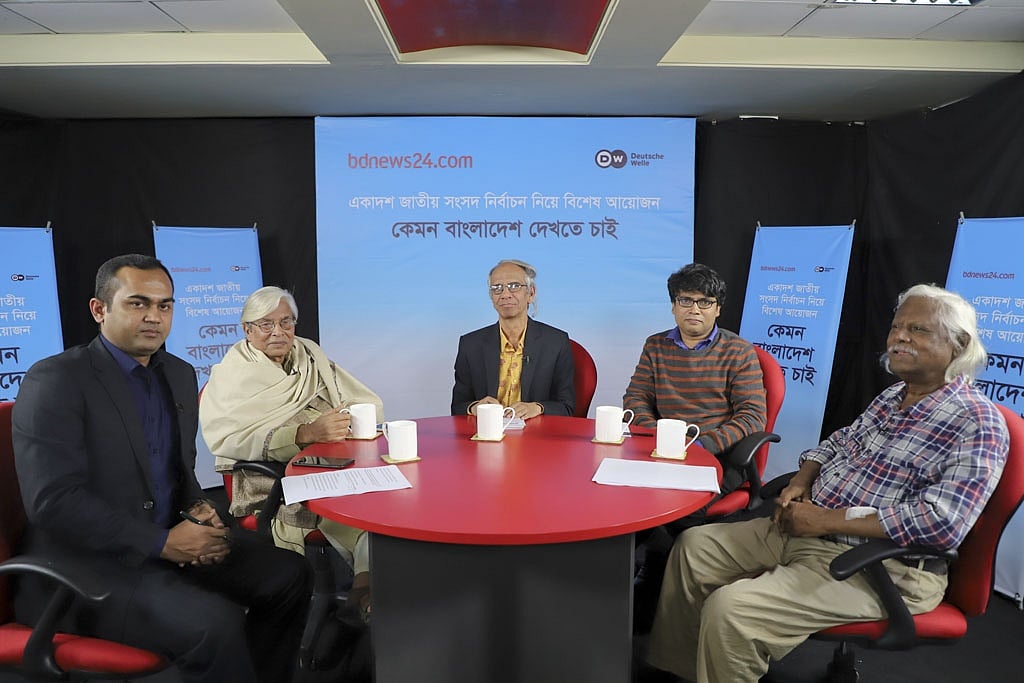
The founder of the Gonoshasthaya Kendra made the comments on the party’s manifesto at a special event on the parliamentary elections co-organised in Dhaka Thursday by bdnews24.com and Deutsche Welle on how they want to see Bangladesh.
The freedom fighter said the BNP was not supposed to announce a separate manifesto after the Oikya Front’s one, which promises to continue the war crimes trial.
It made the pledge despite the fact that its key component the BNP and the BNP’s key partner the Jamaat-e-Islami have six of their leaders hanged for war crimes.
“In my opinion, it was a wrong move,” Zafrullah said about the absence of the promise to press on with war crimes trial in the BNP manifesto.
He also questioned the trial of Jamaat leaders Abdul Quader Molla and Delwar Hossain Sayedee.
Quader Molla was hanged in 2013 for crimes against humanity during Bangladesh’s war of independence from Pakistan in 1971. Sayedee has been sentenced to prison until death for similar crimes during the war.
Besides Zafrullah, Nooh Ul Alam Lenin, a member of the Awami League’s presidium, senior journalist Mozammel Hossain Manju and Dhaka University’s journalism teacher Saiful Alam Chowdhury took part in the event moderated by DW’s Zobaer Ahmed.
Zafrullah criticised ruling Awami League chief Sheikh Hasina for “promising only development”.
“But development is unacceptable without democracy. And the growth she refers to is also uneven,” he said.
Lenin then claimed that democracy is overall a process and it was the Awami League which gave life to democracy in Bangladesh.
He admitted that corruption was taking place, but blamed the open market economy for it.
Saiful said the voters were sceptical about the pledges of ensuring development and democracy by the two main political camps.
“If I vote the BNP, will they save democracy?” he asked citing the deadly protests by the party in the past and its position on war crimes trial.
“The Awami League is maybe ahead considering the development that has taken palce over the past decade, but it also has minus points if you consider the allegation of obstruction to the freedom of speech raised by the opposition,” he added.
The Dhaka University teacher also said the main issue the ruling party faces now is public security during elections.
Journalist Manju agreed about the dilemma facing the voters.
“I will have no doubt about voting if I got development and democracy together. Promising only one of these is not enough to solicit vote,” he said.













