


Published : 09 Jan 2015, 09:11 AM
Updated : 19 Oct 2022, 06:33 PM


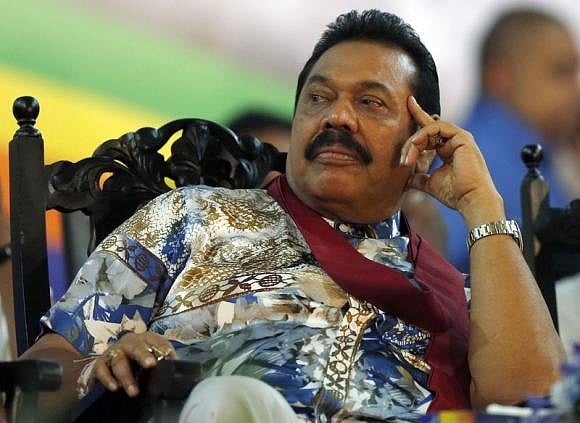
Opposition candidate Maithripala Sirisena, a one-time ally of Rajapaksa who defected in November and derailed what the president thought would be an easy win, took 51.3 percent of the votes polled in Thursday's election.
Rajapaksa got 47.6 percent, according to the Election Department.
Celebratory firecrackers were set off in the capital, Colombo, after Rajapaksa conceded defeat to Sirisena, who has vowed to root out corruption and bring constitutional reforms to weaken the power of the presidency.
Sri Lanka's stock market climbed to its highest in nearly four years.
"We expect a life without fear," said Fathima Farhana, a 27-year-old Muslim woman in Colombo.
"I voted for him because he said he will create equal opportunities for all," she said of Sirisena, a soft-spoken 63-year-old from the rice-growing hinterlands of the Indian Ocean island state.
Like Rajapaksa, Sirisena is from the majority Sinhala Buddhist community, but he has reached out to ethnic minority Tamils and Muslims and has the support of several small parties.
Sirisena was sworn in at Colombo's Independence Square, where British colonial rulers handed Sri Lanka its independence in 1948, alongside his new prime minister Ranil Wickremesinghe.
In an acceptance speech, he was vague on foreign policy, promising to "maintain a close relationship with all countries and organisations".
However, his allies say he will rebalance the country's foreign policy, which tilted heavily towards China in recent years as Rajapaksa fell out with the West over human rights and allegations of war crimes committed at the end of a drawn-out conflict with Tamil separatists in 2009.
Sri Lanka is just off India's southern coast and has historically had mixed ties with its much larger neighbour.
Rajapaksa had cold-shouldered New Delhi in recent years but Sirisena told an Indian newspaper earlier this week that "we will revert to the old, non-aligned policy".
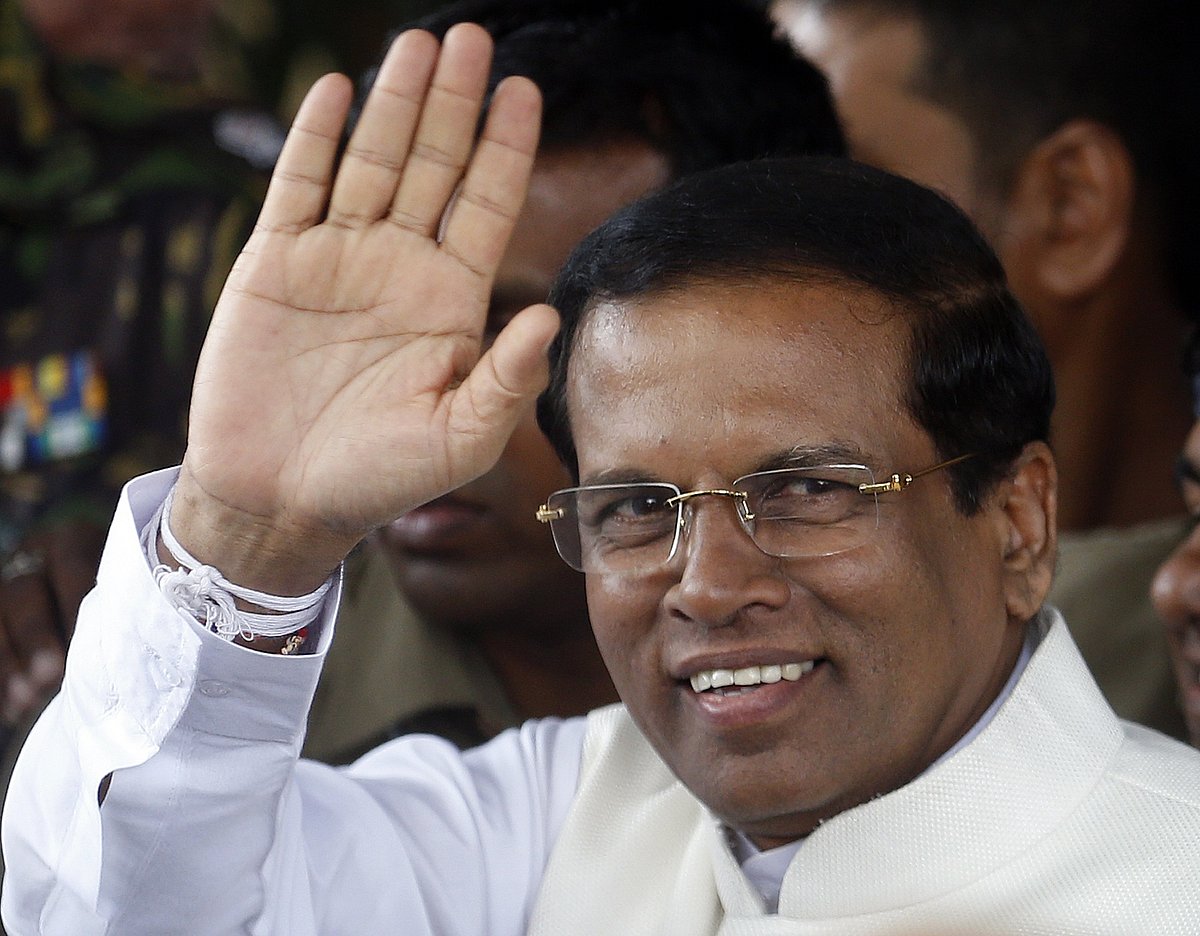
Sri Lanka's newly elected president Mithripala Sirisena waves at media as he leaves the election commission in Colombo January 9, 2015. Reuters













