


Published : 31 May 2013, 01:40 PM
Updated : 09 Aug 2022, 10:44 AM


US officials are racing to quash global alarm in the wake of news the strain of wheat, developed by biotech giant Monsanto Co, had been found in an Oregon field late last month. The discovery has already prompted major buyer Japan to cancel plans to buy US wheat while the European Union said it would step up tests.
South Korea - which last year sourced roughly half of its total wheat imports of 5 million tonnes from the US - has also raised quarantine measures on US feed wheat, while Thailand put ports on alert.
The US Department of Agriculture has said the GM wheat posed no threat to human health, and also said there was no evidence the grain had entered the commercial supply chain.
Its scientists had conducted weeks of quiet field work and complex tests before the bombshell news was announced this week.
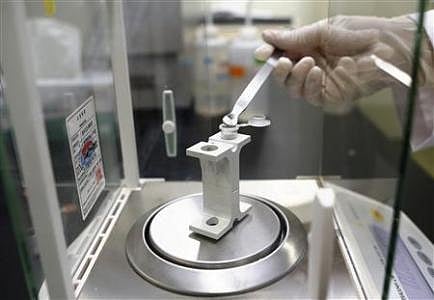
To pin down the origin of the wheat, USDA extracted DNA from the tissue of wheat plants collected by its investigators from the Oregon field, and sent material to three facilities.
South Korean officials said the US had provided the DNA sequence of the rogue GM strain to help its inspectors detect if it was in other imported US wheat and flour. Test results will be released on Monday, the South Korean food ministry said.
"From this weekend, we will also collect wheat and flour imported from all over the United States and will conduct tests next week," said Ahn Man-ho, a spokesman at the Ministry of Food and Drug Safety.
South Koreans say they will not import US wheat until all tests are completed.
TIGHT AUSSIE SUPPLY
Asia imports more than 40 million tonnes of wheat annually, almost a third of the global trade of 140-150 million tonnes. The bulk of the region's supplies come from the US, the world's biggest exporter, and Australia, the No. 2 supplier.
But Australia will struggle to soak up extra demand as its supplies tighten in the wake of unsustainably brisk exports and growing demand from domestic livestock farmers.
"The bulk of grain suppliers (in Australia) are cancelling shipping slots and selling grain to domestic feed mills and feedlots," said Stefan Meyer, a manager for cash markets at brokerage INTL FCStone in Sydney.
On Friday, US wheat fell for a second straight session on concerns about the prospects for American exports. Chicago Board Of Trade July wheat dropped 0.47 percent to $6.95-1/2 a bushel, having closed down 0.57 percent on Thursday.
Japan is not rushing to find alternative sources of wheat, however, with the county's flour milling industry body saying they have sufficient stocks for the short term.
"We haven't thought about alternatives to the grade or proposed candidates to the farm ministry (at this stage)," said Masaaki Kadota, executive director of the Flour Millers Association of Japan.
But Kadota added that it could be difficult for users to find alternative soft white types of wheat to the US Western White Grade, as wheat grown in nations such as Australia and Canada is mainly the medium to hard type.
An industry official in the Philippines, which buys about 4 million tonnes of wheat a year and relies mainly on US supplies, said the country could turn to Canada if it decides not to import from the US







