


Published : 18 Feb 2020, 08:25 PM
Updated : 17 Oct 2022, 11:02 AM


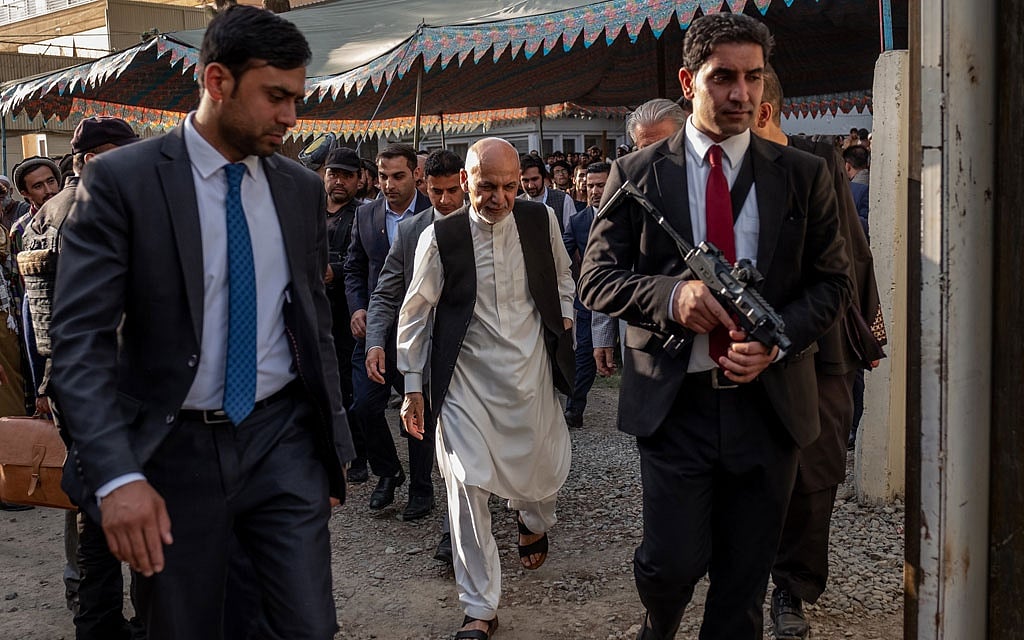
President Ashraf Ghani on Tuesday was declared the winner of Afghanistan’s presidential vote after months of delayed results and bitter dispute. Opposition politicians have protested the result, threatening a full-blown political crisis on the cusp of a US peace deal with the Taliban.
Supporters of Ghani’s leading challenger, Abdullah Abdullah, accuse Afghanistan’s election commission of favouring Ghani and have threatened to form a parallel government if the commission announced results that did not satisfy their grievances.
| Also Read Front-runners each claim victory in Afghan election Afghan presidential vote held in relative calm, but turnout low A bitter election dispute sends Afghanistan back to the brink |
The vote, held in September amid a record number of Taliban attacks intended to destabilise the election, had itself been repeatedly delayed and marred by uncertainty as a peace deal between the US and the Taliban over the future of Afghanistan was nearing finalisation. But President Donald Trump snubbed the talks just weeks before the election was expected, opening the way for the vote to proceed.
Now, with those negotiations resumed and a conditional date announced for the signing of an agreement between the United States and the Taliban, the fresh political crisis risks derailing that fragile process, which was expected to open the way for negotiations between the Afghan government and the Taliban over the country’s political future.
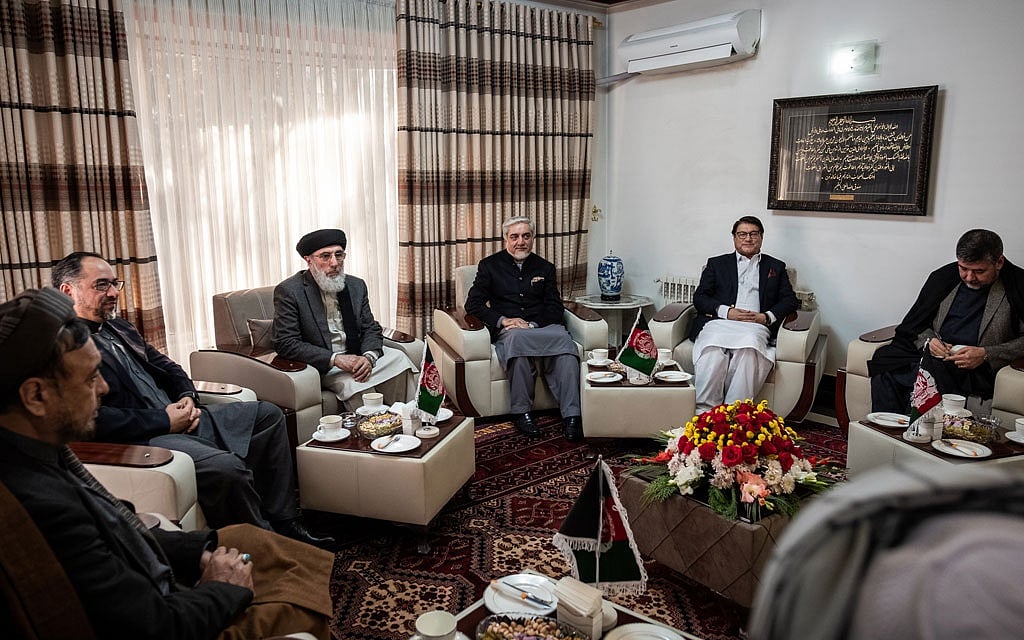
FILE - Abdullah Abdullah, center, an Afghan opposition politician, meets with other presidential candidates and politicians in Kabul, Afghanistan on Dec. 4, 2019. Abdullah has protested Aghanistan’s presidential results after losing to President Ashraf Ghani. (Jim Huylebroek/The New York Times)
In a news conference announcing the result after an audit of about 15% of the total vote, the election commission’s chief said that Ghani had won with the narrowest of margins — 50.64% of the vote, just surpassing the 50% minimum required for a win. Abdullah received 39.5%, according to the commission.
The win gives Ghani another five-year term as president.
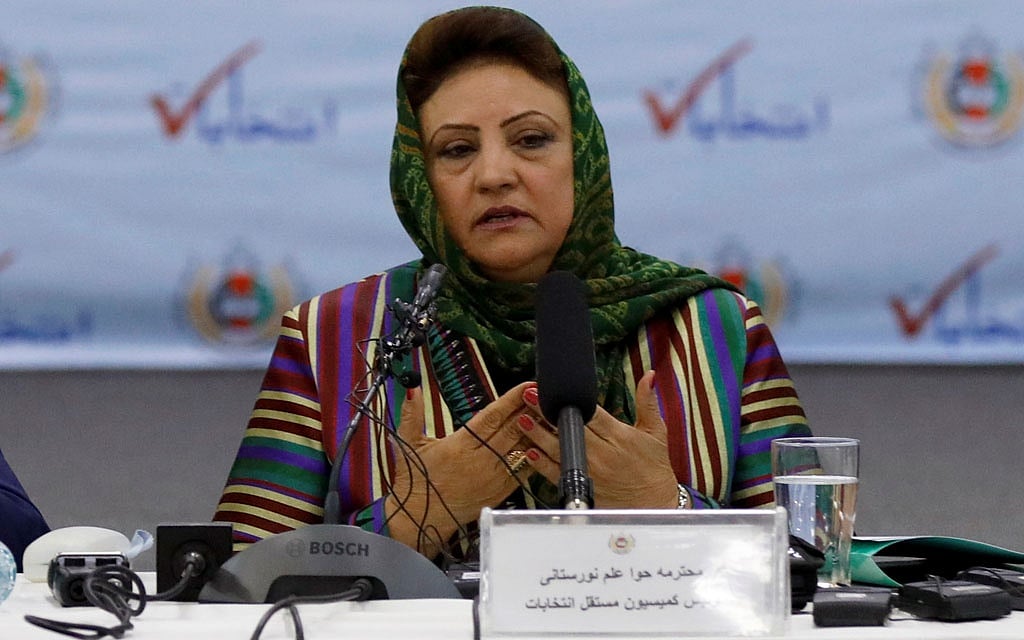
Hawa Alam Nuristani, head of the Independent Election Commission of Afghanistan (IEC) prays before the final presidential election results announcement in Kabul, Afghanistan February 18, 2020. Reuters
Abdullah’s supporters say those were fraudulent votes cast in favour of Ghani. The election commission has attributed the irregularities to human error in setting the time and date of devices that recorded the votes.
Fazel Ahmad Manawi, a senior member of Abdullah’s team, had said hours before the announcement that “neither the institution called independent election commission has legitimacy in our eyes, nor the result they might announce.”
©2020 The New York Times Company













