Praying for peace, Nepalis queue for historic poll
Hoping it will bring their country lasting peace after a decade of war and insurgency, Nepalis queued from dawn on Thursday to cast their vote in a historic election, the country's first in nine years.
bdnews24.com News Service
bdnews24.com
Published :
10 Apr 2008, 04:30 AM
Updated :
24 Apr 2022, 08:25 PM
Kathmandu,April 10 (bdnews24.com/Reuters) - Hoping it will bring their country lasting peace after a decade of war and insurgency, Nepalis queued from dawn on Thursday to cast their vote in a historic election, the country's first in nine years.
Polls opened at 7 a.m. (0115 GMT) to choose a 601-member special assembly, that is supposed to write a new constitution, abolish a 240-year-old Hindu monarchy and serve as a parliament for at least two years.
The vote is the centerpiece of a 2006 peace deal with Maoist guerrillas to end a decade-long civil war.
"I couldn't sleep the whole night because I am worried about peace and development," said 48-year-old farmer Sudarshan Neupane, who said he had started queuing three hours before polls opened at a school in a northern suburb of Kathmandu.
"I hope this election will bring lasting peace," he said. "It is an unprecedented event in our country."
Many in the crowd of around 1,000 people at the polling station applauded as Neupane entered the polling booth, the first to cast a vote there.
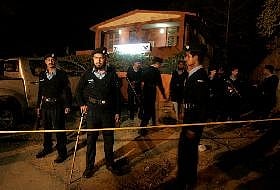
Police with bamboo sticks looked on, backed by a truckload of armed colleagues just down the road. Around 135,000 police, some in helicopters, have been deployed across the mountains and plains of Nepal to try to secure the election.
On election eve, the country's 83-year-old ailing Prime Minister Girija Prasad Koirala said it would herald a "new era" for his nation, one of the world's poorest.
"We all want peace but we don't know whether our hopes will turn to frustration," said 45-year-old housewife Sudha Rajuwar, dressed in a red saree. "How long should people wait for peace, and suffer?"
Businesses, which face widespread extortion from Maoists and other rebel groups, frequent strikes and regular power cuts, are also hoping that an elusive peace dividend finally arrives.
But Nepal is unlikely to change overnight, and first it has to get through a very tricky election. Observers fear violence and intimidation leading up to election day could undermine the vote in some parts of the country.
That could also provide a pretext for any number of parties to reject the results, especially if they do badly.
Maoists insist they will respect the "verdict of the masses", but a poor performance could prompt hardliners to split from the party and take to the streets.
Armed groups in southern plains bordering India have called for a boycott of the polls, saying they do not believe a promise of regional autonomy after the elections.
And some diplomats privately worry even the country's oldest and biggest party, the Nepali Congress, might not accept a poor performance gracefully and could call out the army if the results went against them.
The nature of the election -- part first past the post, part proportional representation -- complicates matters further, with full results likely to take at least 10 days, not counting constituencies where violence forces reruns.
"The post-poll period will likely be difficult and dangerous," the International Crisis Group said in a report.
"Parties will trade allegations of fraud and violence. The behavior of powerful losers will shape the immediate aftermath."
One of the biggest losers is King Gyanendra, who ascended the throne after his elder brother and eight other royals were shot in 2001 by the crown prince, who then turned the gun on himself.
Gyanendra went on to seize absolute power, but was forced to retreat two years ago after street protests. Nepal's main parties promise the new assembly will start by abolishing the monarchy.
The United Nations, monitoring the elections and peace process, says the Maoists intimidated voters and prevented campaigning in some areas. Other parties, it says, have also used violence and misused state machinery to influence voters.
Eight Maoist cadres were killed when police fired on two separate crowds in western Nepal on Tuesday and Wednesday, while a candidate from another party was dragged from his car by a crowd and shot dead.
The UN said it was "deeply shocked" by the deaths, while election observers from the European Union spoke of their "deep concern" about the violence.
bdnews24.com/md/1028 hrs.