Published : 29 Sep 2026, 04:01 AM
Updated : 29 Sep 2026, 04:01 AM


Russian Ambassador to New Delhi Denis Alipov has claimed that a senior US official acknowledged Washington would not allow India to become another China, describing the remark as a “Freudian slip”.
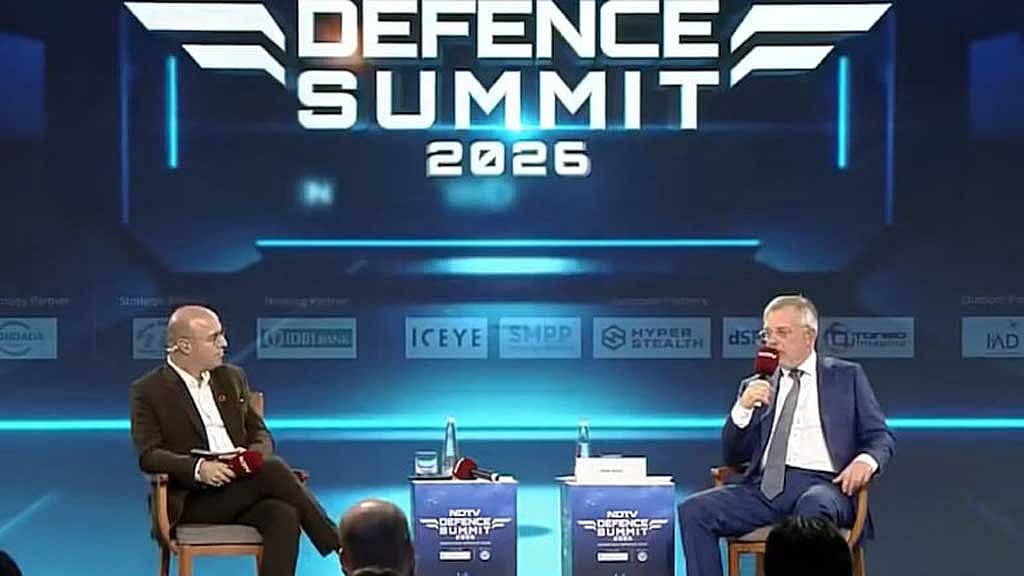
Speaking at the NDTV Defence Summit on Sunday, he said the comment was made during this year’s Raisina Dialogue in New Delhi.
“I think this year at the Raisina Dialogue, one of the top US officials revealed and spoke publicly that the ‘US will never allow India to become the next China’ as a competitor. It was like a Freudian slip,” he was quoted as saying by the Indian news outlet.
Alipov argued that as India grows stronger and inevitably moves towards superpower status, the US will deploy measures to contain its rise, pointing directly to the Lindsey O Graham Sanctioning Russia and Iran Act of 2026, according to NDTV.
Recently signed by US President Donald Trump, the legislation authorises tariffs of up to 100 percent on nations purchasing Russian oil and gas.
Addressing India's ongoing purchases of discounted Russian crude despite American pressure, the envoy noted that New Delhi buys Russian energy for its own economy and citizens rather than to benefit Moscow.
He commended India’s strategic autonomy and strength in resisting what he termed "absurd" US pressure tactics, warning that such measures will only intensify as India continues its ascent.
Reflecting on bilateral relations, Alipov highlighted the decades-long foundation between the two nations, originally established with the Soviet Union in April 1947 ahead of their upcoming 80th anniversary of diplomatic ties.
Quoting Indian External Affairs Minister S Jaishankar on the relationship's remarkable consistency, he stressed that trust, mutual respect, and a non-zero-sum approach have allowed the alliance to withstand shifts in global politics.
He also referenced the Sept 11 meeting between Prime Minister Narendra Modi and President Vladimir Putin at the BRICS Summit in New Delhi, concluding that the bloc demonstrates a shared aspiration among member nations for an inclusive, fair alternative platform in global decision-making.