


Published : 17 Dec 2014, 10:07 PM
Updated : 19 Oct 2022, 07:46 PM


Also Read:
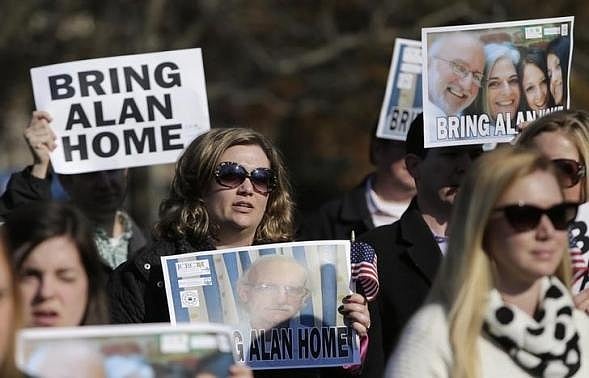
Who is Alan Gross and what did he do?The shift in policy, set to be one of the biggest changes in decades of animosity between communist-ruled Cuba and the United States, was heralded by Cuba's release of American aid worker Alan Gross after five years in prison in a reported prisoner exchange with Havana.
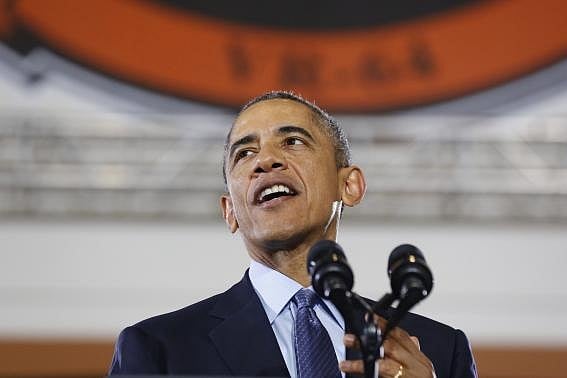
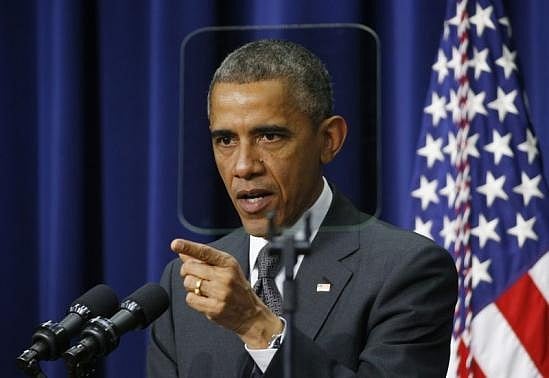
Obama was due to make a statement at noon (1700 GMT) on Cuba, the White House said, and a US official said he would announce a shift in Cuba policy.
Cuban President Raul Castro was also set to make a statement at that time.
A US official said Washington aimed to open an embassy in Cuba as part of its plan.
The Associated Press, citing officials, said the administration would launch talks to normalise relations.
A senior congressional aide said Obama would ease the embargo and travel restrictions that prevent most Americans from visiting the island.
The two countries have been ideological foes since soon after the 1959 revolution that brought Raul Castro's older brother, Fidel Castro, to power.
Washington and Havana have no diplomatic relations and the United States has maintained a trade embargo on Cuba for more than 50 years.
Washington's policy has survived the end of the Cold War as the United States pushes for democratic reform in Cuba.
The US official said Gross was released on humanitarian grounds and left Cuba on a US government plane bound for the United States.
In addition to Gross, congressional sources said the prisoner exchange included Cuba's release of a CIA prisoner and the US release of three Cuban intelligence agents.
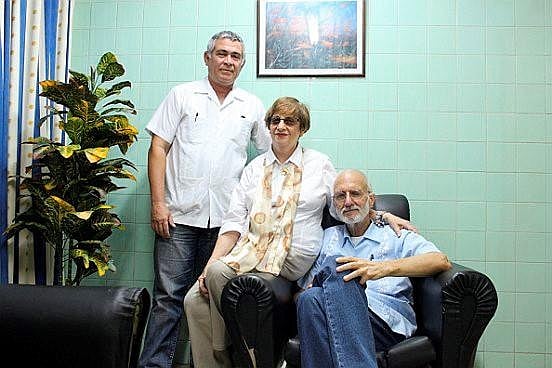
Jailed US Agency for International Development (USAID) contractor Alan Gross, (R), poses for a picture during a visit with Cuban Jewish Community leader Adela Dworin, (C), and David Prinstein, Vice President, at Havana's Carlos J Finlay Military Hospital Sept 28, 2012. Reuters
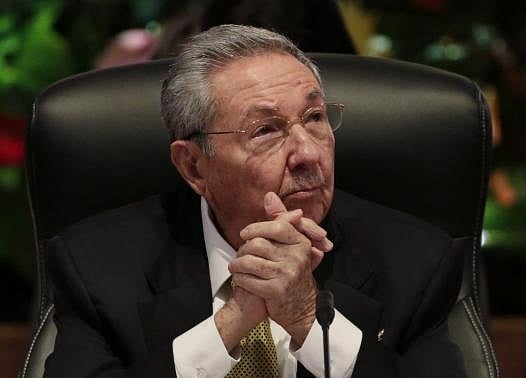
Cuba's President Raul Castro attends the opening session of the 10th ALBA alliance summit in Havana Dec 14, 2014. Reuters













