


Published : 18 May 2019, 04:01 PM
Updated : 17 Oct 2022, 11:40 AM


The mother of three lost her husband during the war against jihadist group Islamic State, which occupied the northern Iraqi city as the capital of its self-declared caliphate until government forces recaptured it in summer 2017.
Abdelrahman also lost her Mosul home and now spends half of the salary she earns at the garment factory on getting to work.
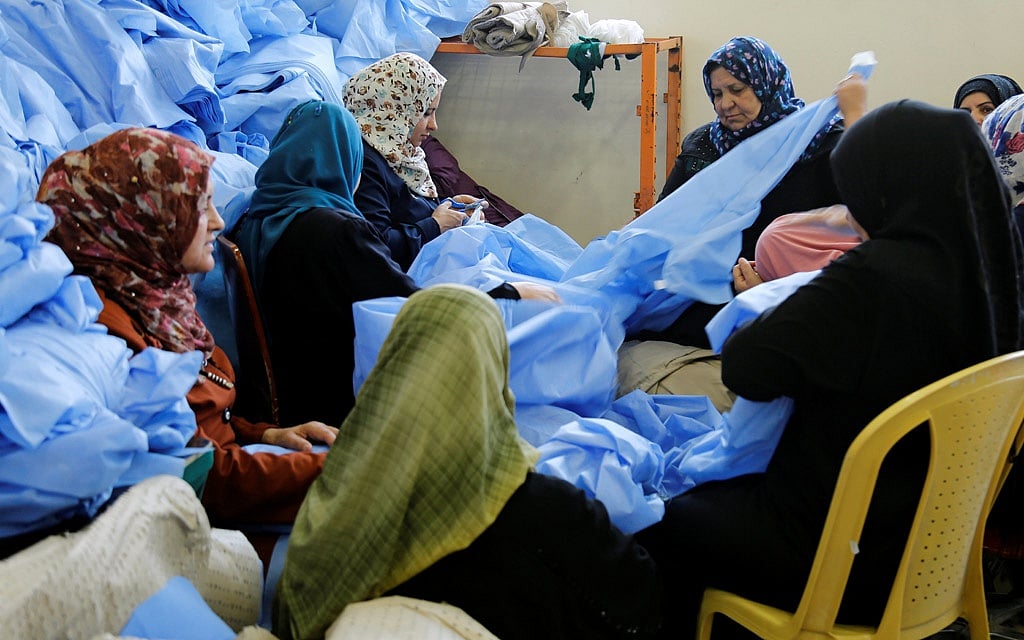
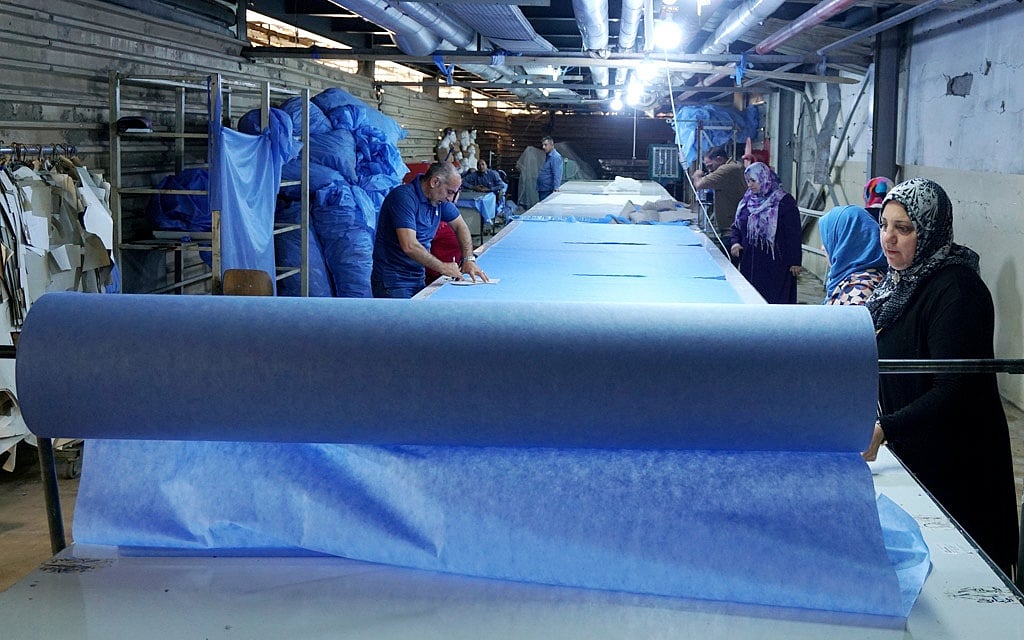
Widows and divorced women sew clothes at Waladi textile factory, part of which was destroyed by the war in Mosul, Iraq May 5, 2019. REUTERS
Most of the site was destroyed in the fighting, but the International Organisation for Migration has managed to restore one section, where around 150 people - of whom 80% are women - now work, a fraction of the 1,020 it used to employ.
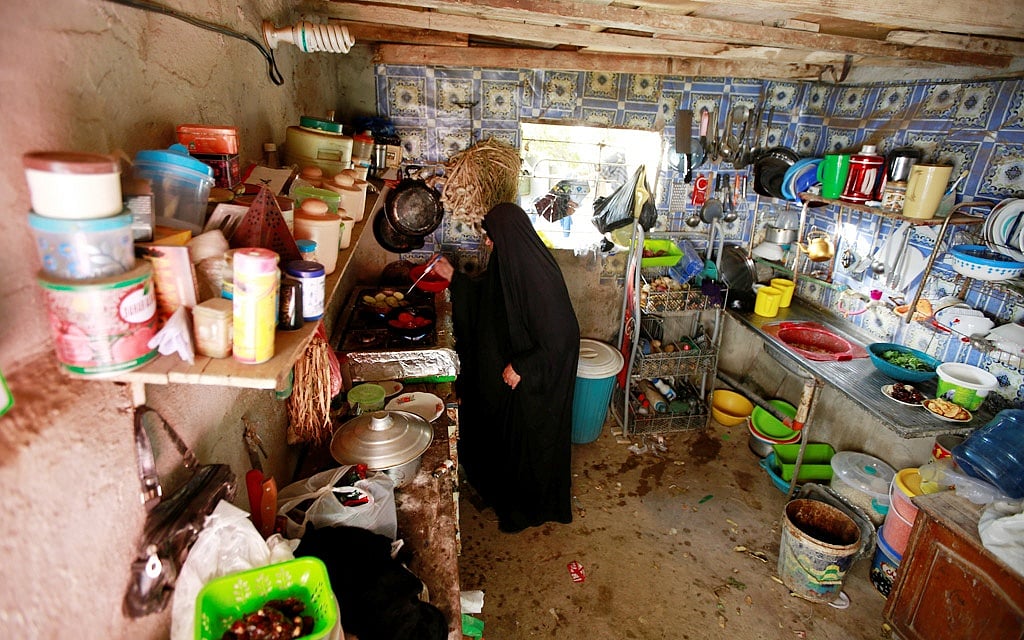
Widow Fatam Hadi Jabr, 56, prepares Iftar 'break fasting meal' during the holy month of Ramadan in the holy city of Najaf, Iraq May 12, 2019. REUTERS
"This salary they receive sometimes isn't enough to feed them, but it is hope for a better life," he said.
Most Mosul residents are struggling financially.
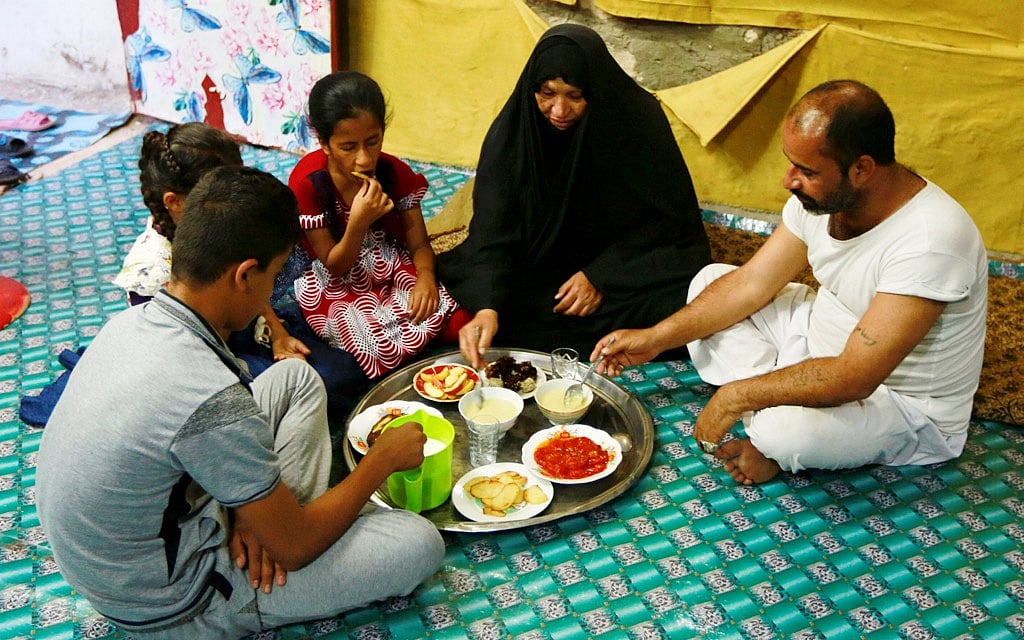
Widow Fatam Hadi Jabr, 56, breaks fast with her brother and her children during the holy month of Ramadan in the holy city of Najaf, Iraq May 12, 2019. REUTERS
The 2019 state budget has allocated $560 million for the city's reconstruction, according to two Mosul lawmakers. A UN advisor cited $1.8 billion as one estimate for a year's rebuilding work.
Nearly 2 million Iraqis remain displaced due to the war against Islamic State, according to a survey by non-governmental organisation REACH.













