Published : 11 Aug 2013, 11:05 AM
Updated : 09 Aug 2022, 11:00 AM


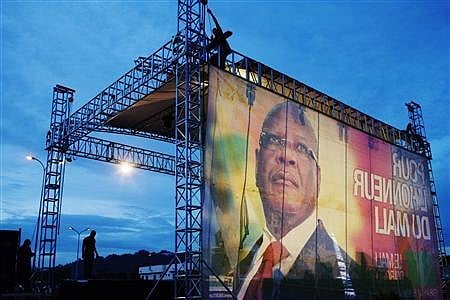
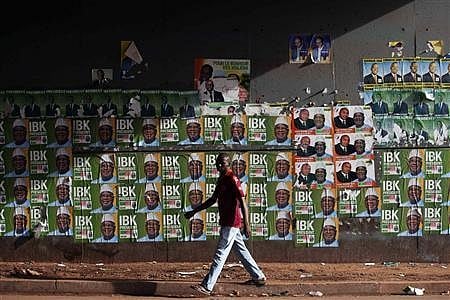
Candidates wound up campaigns promising reconstruction and reconciliation but, underscoring security fears despite a successful French offensive against al Qaeda-linked fighters, an Islamist group threatened to attack polling stations.
Separatist and Islamist rebels swept across the country's desert north last year shortly after soldiers ousted the president, an unprecedented crisis in the former French colony, previously seen as an island of stability in West Africa.
Thousands of French troops halted a rebel advance in January and United Nations peacekeepers are deploying to stabilise the broken nation. A successful vote on Sunday would take the gold-producing country another step towards its recovery.
"We need this election - it is critical," said Abdrahamane Toure, a postal worker who went to the Aminata Diop school in Bamako's Lafiabougou neighbourhood to check where he would vote.
"Once we have a legitimate state back, things might start getting better," he added.
In a sign of last-minute preparations, residents were still lining up to collect newly-printed ID cards that they will have to show in order to vote as a truck laden with plastic ballot boxes pulled up at the Bamako school on Saturday.
Authorities also instructed some 6.8 million eligible voters how to find their polling stations by sending SMS messages to designated numbers.
In the run-up to the vote, experts had warned that a rushed election might lead to challenges and further crises.
But election officials say they have distributed 85 percent of the ID cards and a free and fair race in a field of 26 men and one woman could take place.
Louis Michel, head of the European Union's election observer mission, said he was "positively surprised" by preparations and that the conditions for the vote were acceptable.
"A month ago, there were a lot of doubts (over the election). But it has come together. Everyone realises that this interim government has to end as its inherent fragility and uncertainty has been so costly for Mali," said Mary Beth Leonard, the US ambassador to Bamako.
Voting is due to start at 9am at 21,000 polling stations across the country, from the bustling, lush riverside capital in the south to the remote desert garrison town of Kidal, which was at the heart of last year's rebellion.
Most of the front-runners are established political figures over the last 20 years of Malian politics so there is little likelihood of a radical overhaul of the country's democracy.
A second round of voting will take place on August 11 if no candidate wins over 50 percent of the vote.
"Looking for unity"
Before last year's collapse, Mali, a poor nation straddling the south of the Sahara, had built up a reputation for stability and become Africa's No. 3 gold producer.