Published : 05 Oct 2013, 03:55 PM
Updated : 09 Aug 2022, 11:10 AM


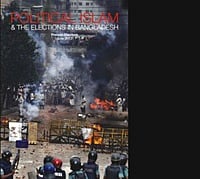
"Political Islam and the elections in Bangladesh" by Harrison, who also worked for BBC in Sri Lanka and Iran, suggests that the 'ideological clash between secular Bengalis and Islamists has already spilt onto the streets'.
In this report, Frances Harrison, examines the ideological and political differences between the various Islamic parties, alliances and militant groups in Bangladesh, with special focus on Jamaat-e-Islami.
The report examines allegations about the extent of Jamaat infiltration into the country's economic life and educational system but also looks the creeping Islamisation at village level, as well as charting recent attacks on religious minorities.
"Many describe this as a make-or-break struggle for the heart of the nation, still to be resolved forty years on. The pending elections are adding an extra degree of urgency to these debates. All agree this vote is of the utmost importance for the country's future," says Harrison.
"So uncertain and fluid is the situation that it's possible elections won't happen on time at the end of this year. Much hinges on finding an alternative for the abolished caretaker government system," observes Harrison.
She says several Bangladeshis confided they had never been so worried about Islamists gaining ground because of the confrontation between the two main political leaders.
"They are creating a Frankenstein's monster in the Islamic fundamentalists and they can see it but they are still addicted," is how one observer described the power struggle between Prime Minister Sheikh Hasina and her rival, the opposition leader, Khaleda Zia.

Harrison says many analysts see strong international pressure as the only way to force a compromise between the feuding political leaders.
The possibility exists of deals between the governing party and potential breakaway factions of the various opposition parties because so much is at stake.
Harrison says the economic damage to the country from frequent political strikes is significant. A former finance adviser to the caretaker government, AB Mirza Azizul Islam told her he believed the country's GDP would be reduced by 0.5 to 0.6% because 9 of political instability. "It hampers exports, it hampers production, it hampers transport," he said.
The association representing the country's largest export industry, the readymade garment sector, the BGMEA, estimated factories were losing approximately £17 million daily in 2013 as a result of strikes. The garment sector is particularly vulnerable to unrest because of the time sensitivity of exports that need to feed modern supply chains.