


Published : 07 May 2017, 09:43 AM
Updated : 19 Oct 2022, 03:34 PM


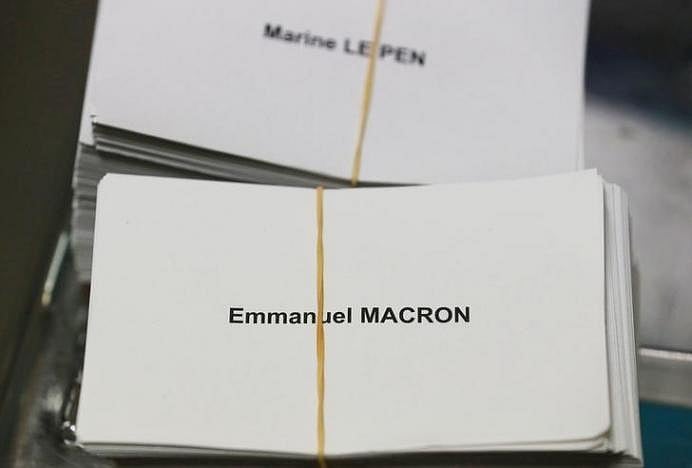
Opinion polls indicate they will pick Emmanuel Macron, a 39-year-old ex-economy minister who wants to bridge the left-right divide, resisting an anti-establishment tide that has seen Britons vote to leave the EU and Americans choose Donald Trump as US president.
But should an upset occur and National Front candidate Marine Le Pen win, the very future of the EU could be on the line.
Macron, who wants to deregulate the economy and deepen EU integration, has a 23- to 26-percentage-point lead over Le Pen in the opinion polls.
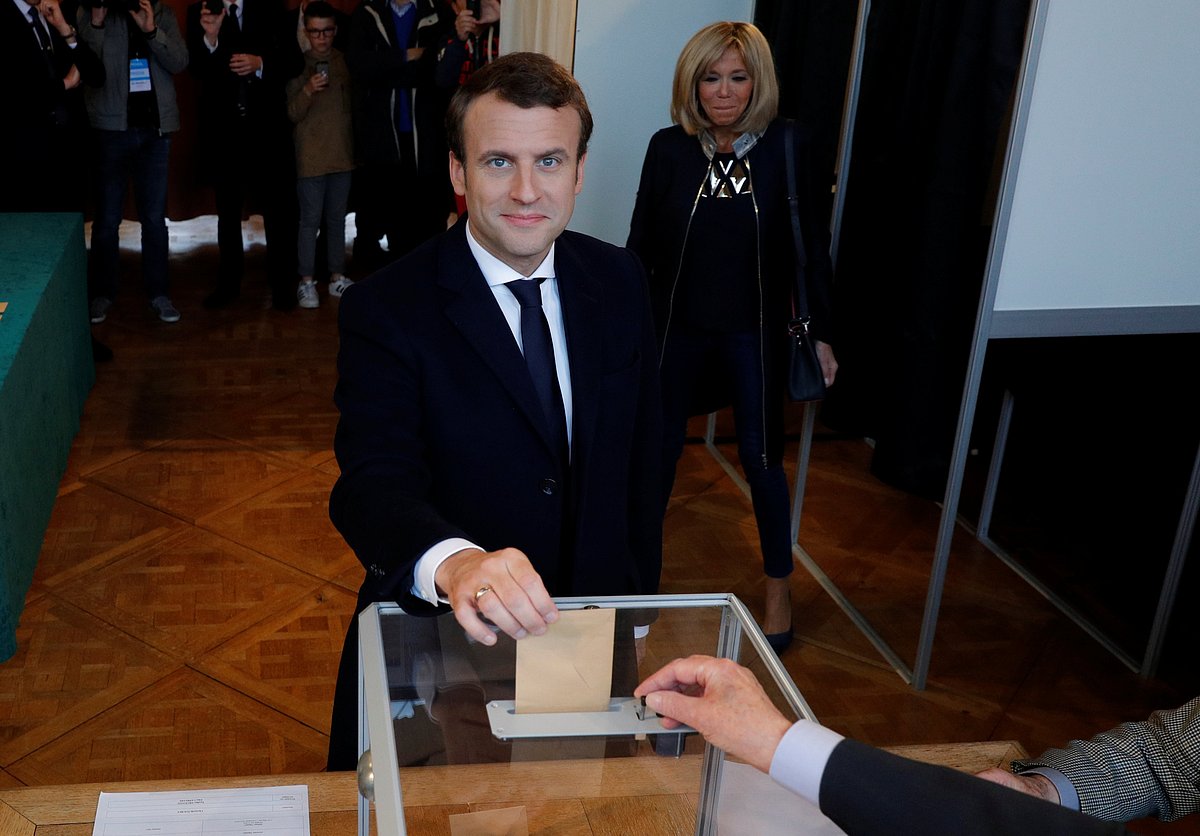
French presidential election candidate Emmanuel Macron, head of the political movement En Marche !, or Onwards ! casts his ballot at a polling station during the the second round of 2017 French presidential election, in Le Touquet, France, May 7, 2017.
"We increased our equity exposure and added some French stocks after the first round. The major political risk of a Le Pen victory appears to be disappearing," said Francois Savary, chief investment officer at Geneva-based fund management firm Prime Partners.
In a campaign that has seen favourites drop out of the race one after the other, Le Pen, who wants to close borders, ditch the euro currency and clamp down on migration, is nevertheless closer to elected power than the far right has ever been in Western Europe since World War Two.
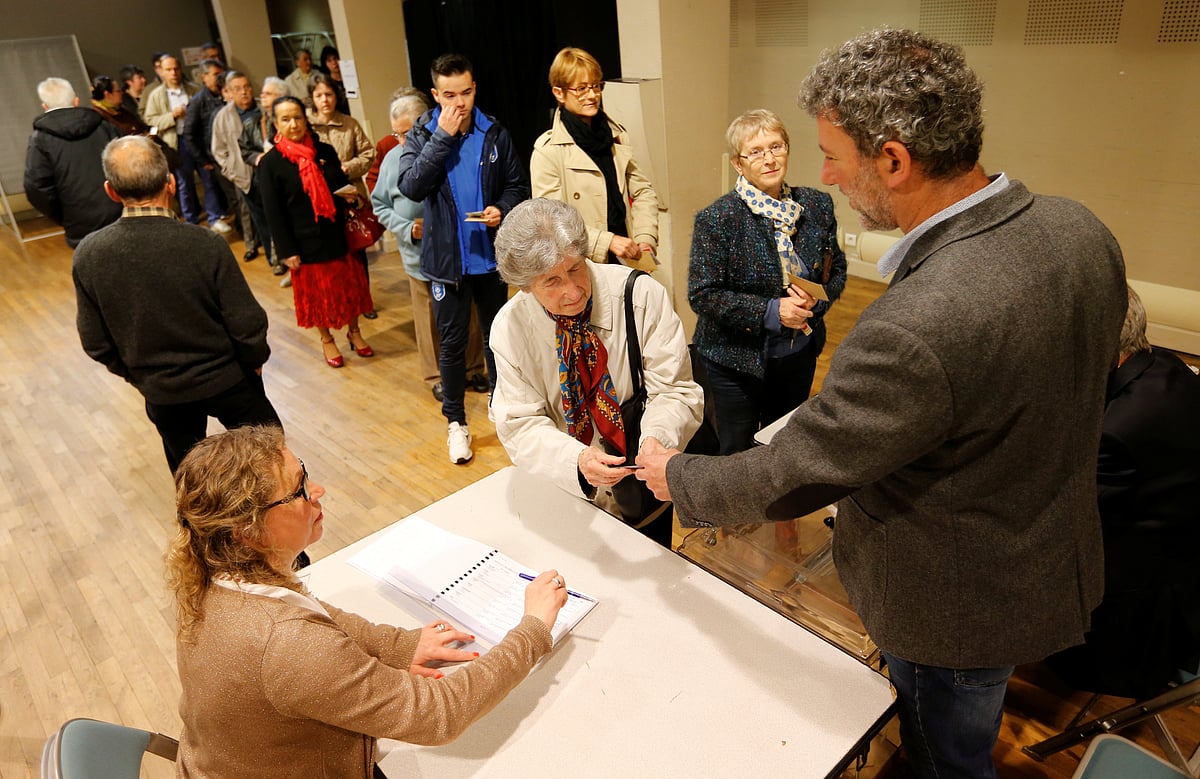
People wait in line to vote at a polling station during the second round of 2017 French presidential election, in Tulle, France, May 7, 2017. Reuters
Abstention could be high, and close to 60 percent of those who plan to vote for Macron say they will do so to stop Le Pen from being elected to lead the euro zone's second-largest economy rather than because they fully agree with the former banker-turned-politician.
More elections to come
Sunday's election will in any case not end the battle between mainstream and more radical policies in France, with parliamentary elections next month equally crucial.
Once the presidential ballot is over, attention will switch to whether the winner will be able to get a majority in parliament, with one poll this week showing that such a majority was within reach for Macron.
Much will also depend on both the candidates' score on Sunday. Le Pen's niece, Marion Marechal-Le Pen, on Thursday told L'Opinion daily that a 40 percent score would already be "a huge victory" for the National Front.
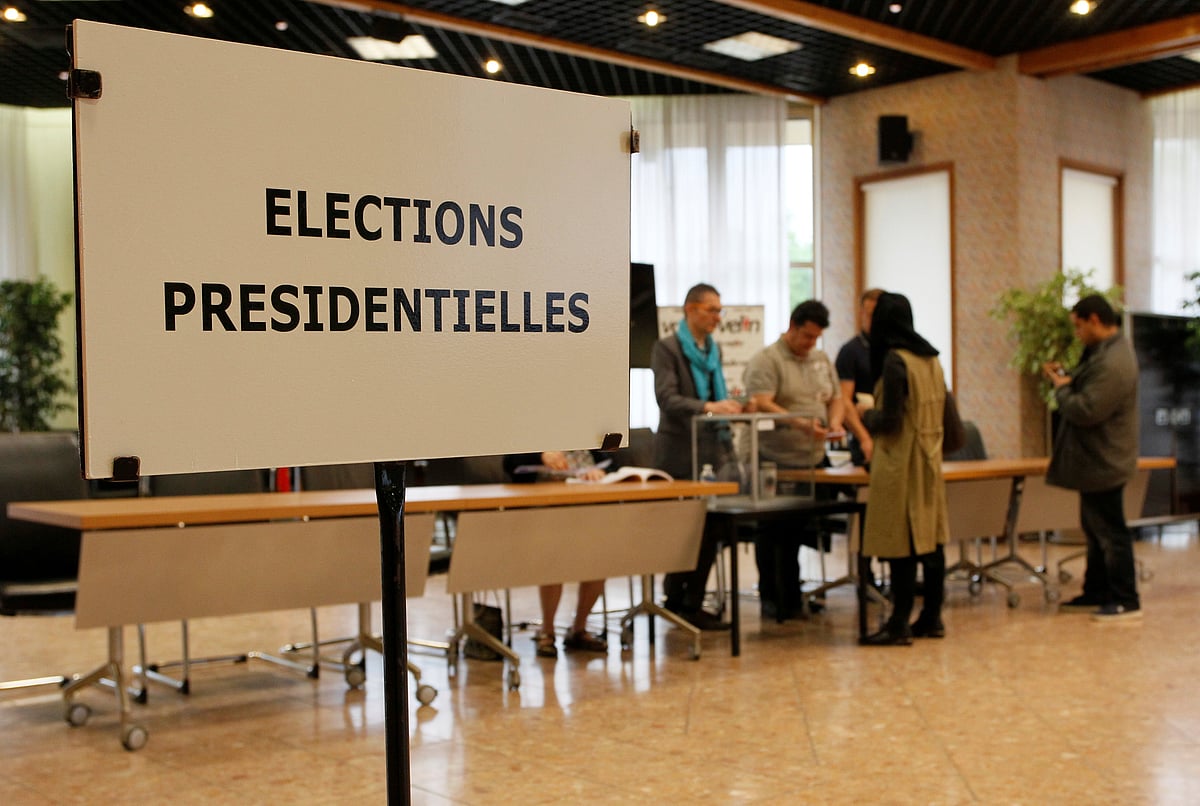
Voting starts in the second round of 2017 French presidential election at a polling station in Vaulx-en-Velin, France, May 7, 2017. Reuters
The campaign was hit by yet another surprise on Friday night just before the quiet period which forbids politicians from commenting started. Macron's team said a massive hack had dumped emails, documents and campaign-financing information online.
Pollsters will publish initial estimates at 8pm local time, once all polling stations are closed.
More than 50,000 police officers will be on duty. Security will be a prime concern in the wake of a series of militant attacks in Paris, Nice and elsewhere in the past few years that have killed more than 230 people.













