


Published : 04 Aug 2014, 10:57 PM
Updated : 19 Oct 2022, 07:35 PM


Palestinians said Israel had bombed a refugee camp in Gaza City, killing an eight-year-old girl and wounding 29 other people, in an air attack after the start of the truce.
An Israeli military spokeswoman said there had been no strikes since 10am (0700 GMT), when the seven-hour truce started.
She said four rockets had been fired from Gaza later and two had crashed inside Israel.
There were no reports of casualties or damage.
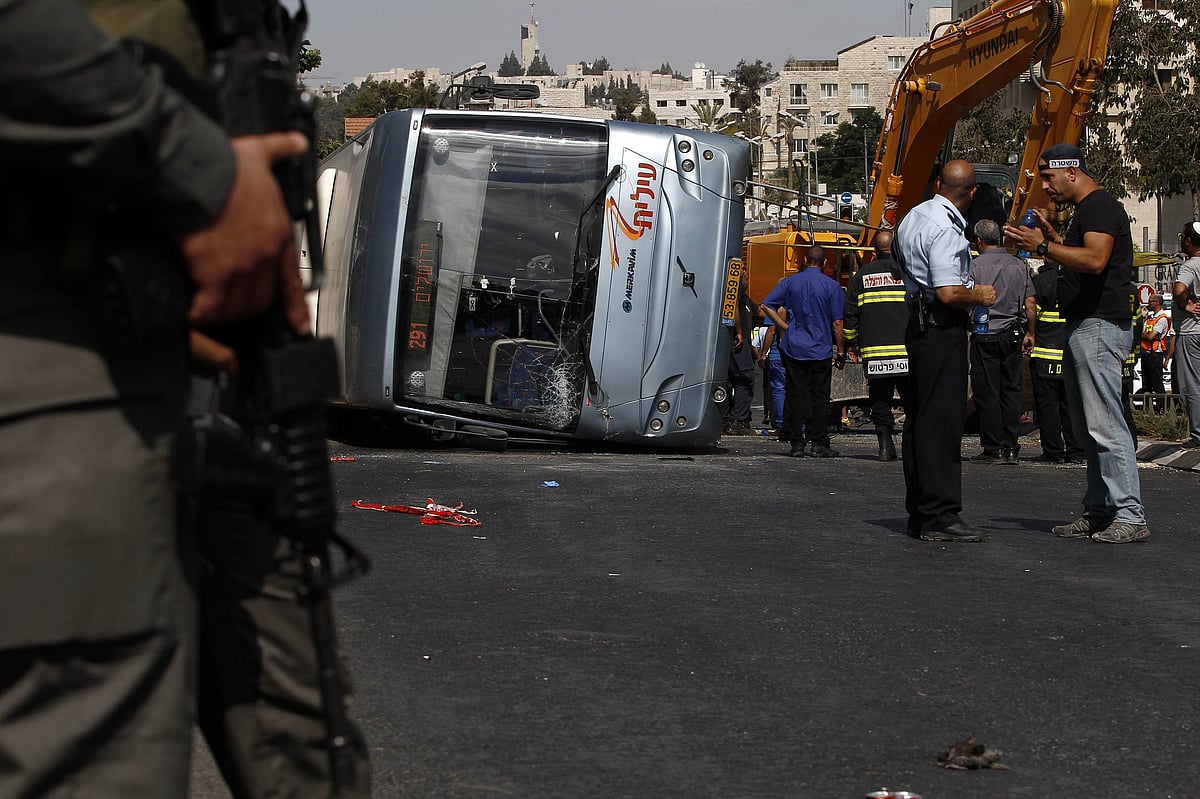
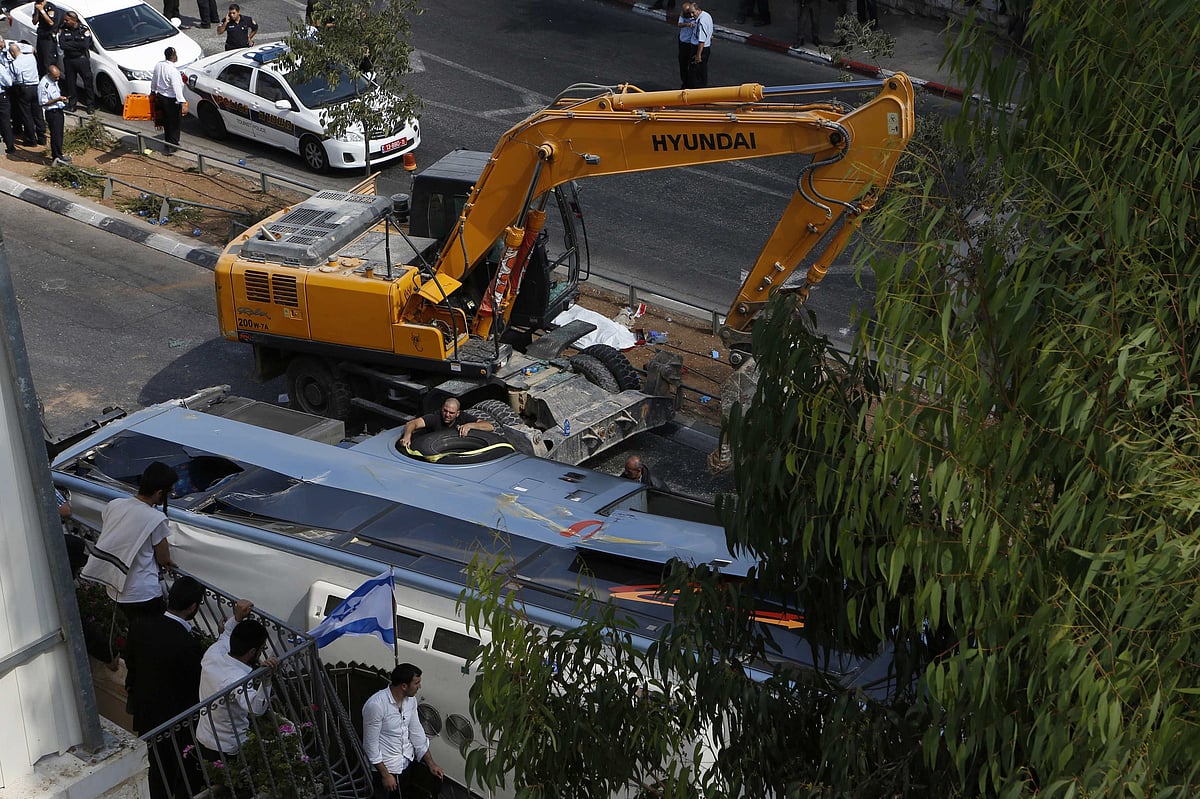
In Jerusalem, a Palestinian driving an excavator ran over and killed an Israeli and then overturned a bus, in what police described as a terrorist attack.
Police shot the excavator driver dead; there were no passengers on the bus.
Several hours later, a gunman shot and wounded a soldier near Jerusalem's Hebrew University before fleeing on a motorcycle, police said.
Israel had announced its ceasefire to free up humanitarian aid and allow some of the hundreds of thousands of Palestinians displaced by almost four weeks of war to go home.
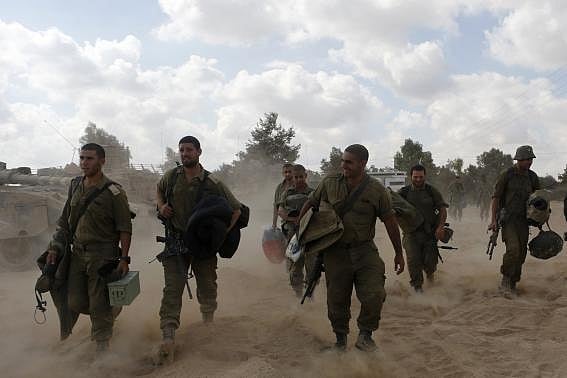
The military is wrapping up the main objective of the ground assault, the destruction of cross-border infiltration tunnels from Gaza, and it has told residents of some towns they can return home.
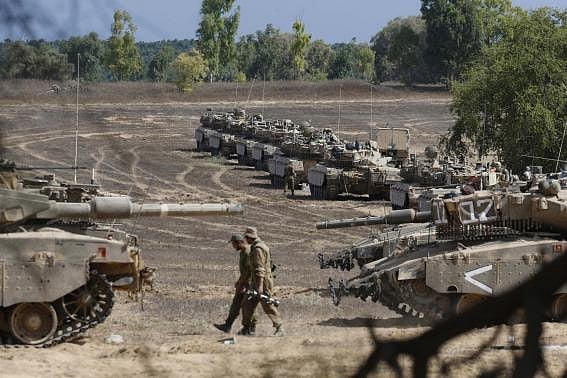
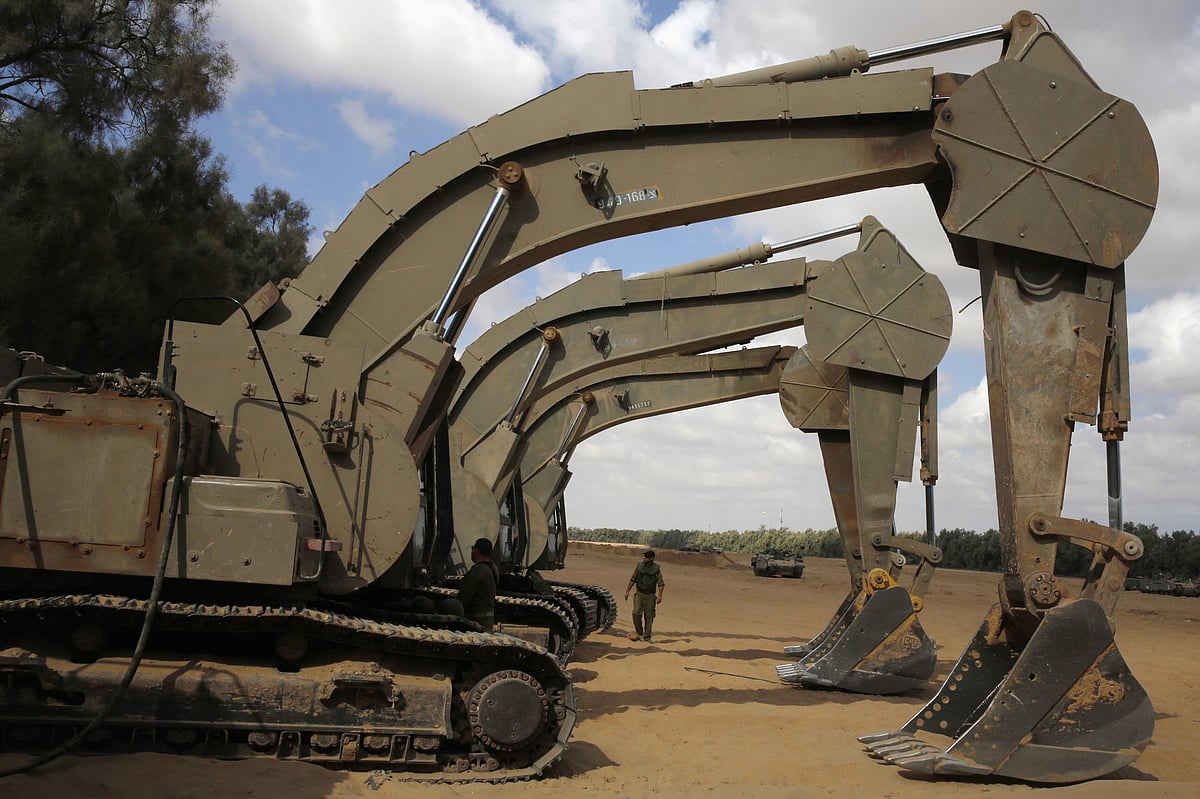
An Israeli soldier walks next to army excavators at a staging area near the border with the Gaza Strip August 4, 2014.
A spokesman for Prime Minister Benjamin Netanyahu said, however, Israeli forces would be on both sides of the border once the tunnels operation ended.
"The campaign in the Gaza Strip goes on," said a statement from Netanyahu's office.
"What is about to end is the Israeli military's handling of the tunnels, but the operation will end only when a prolonged period of quiet and security is restored to Israel's citizens."
A Reuters photographer on the Israeli side of the border, near Rafah, said some ground forces who were deployed in southern Gaza had pulled back into Israel.
Israel launched its offensive on July 8 following a surge in Hamas rocket salvoes.
It escalated from air and naval barrages to overland incursions centred on Gaza's tunnel-riddled eastern frontier, but also pushed into densely populated towns.
Gaza officials say 1,831 Palestinians, most of them civilians, have been killed and more than a quarter of the impoverished enclave's 1.8 million residents displaced.
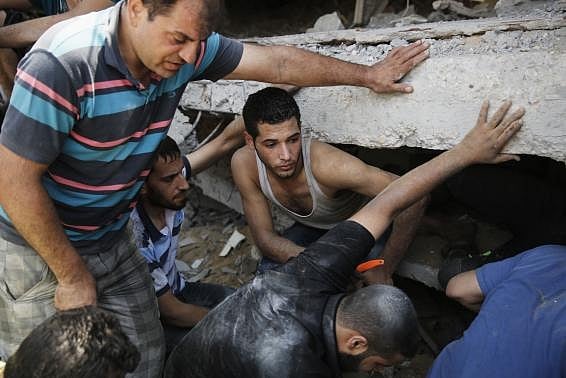
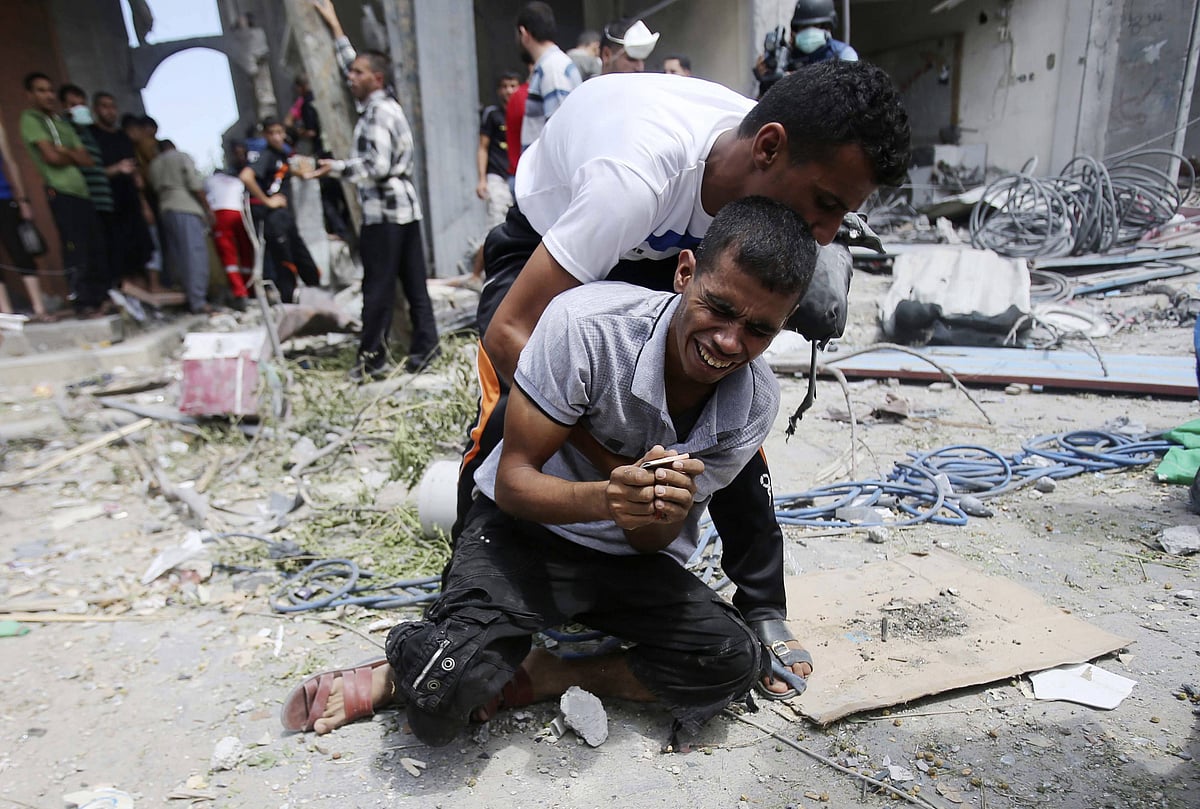
A Palestinian man reacts after the body of his mother was removed from under the rubble of their house which witnesses said was destroyed in an Israeli air strike, in Rafah in the southern Gaza Strip August 4, 2014. Reuters
As many as 3,000 Palestinian homes have been destroyed or damaged.
Israel has lost 64 soldiers in combat and three civilians to Palestinian cross-border rocket and mortar fire that has emptied many of its southern villages.
Iron Dome interceptors, air raid sirens and public shelters have helped stem Israeli casualties.
Cairo negotiations
Palestinian groups, including representatives from Hamas and Islamic Jihad, held their first formal meeting in Cairo on Monday with Egyptian mediators hoping to pave the way towards a durable ceasefire agreement with Israel.
Egyptian mediation, supported by the United States and the United Nations and also involving Qatar, Turkey and Western-backed Palestinian President Mahmoud Abbas, has been complicated by the dramatically divergent terms set by Israel and Hamas.
Israel, which is not attending the talks after accusing Hamas of failing to abide by previous ceasefires, has said Gaza must be stripped of tunnels and rocket stocks.
An overturned bus lies next to a construction vehicle at the scene of a suspected attack in Jerusalem August 4, 2014. Reuters
Hamas rules this out, and demands an easing of the crippling Gaza blockade enforced by both Israel and Egypt, which consider the Palestinian Islamists a security threat.
In Cairo on Sunday, Palestinian delegates said they also wanted Israel to withdraw from Gaza, facilitate reconstruction of the battered territory and release Palestinian prisoners.
The Israelis, however, have shown little interest in resuming negotiations after blaming Hamas for violating Friday's truce with the Rafah ambush - an accusation echoed by the United States and the United Nations, though disputed by Hamas.
"Egypt will now discuss the Palestinian demands with the United States and Israel," an Egyptian diplomatic source said.
Egyptian diplomats said that while Cairo might contemplate easing the limited freedom of movement across its own border with Gaza, it was unlikely to accept Palestinian calls to allow a normal flow of trade.
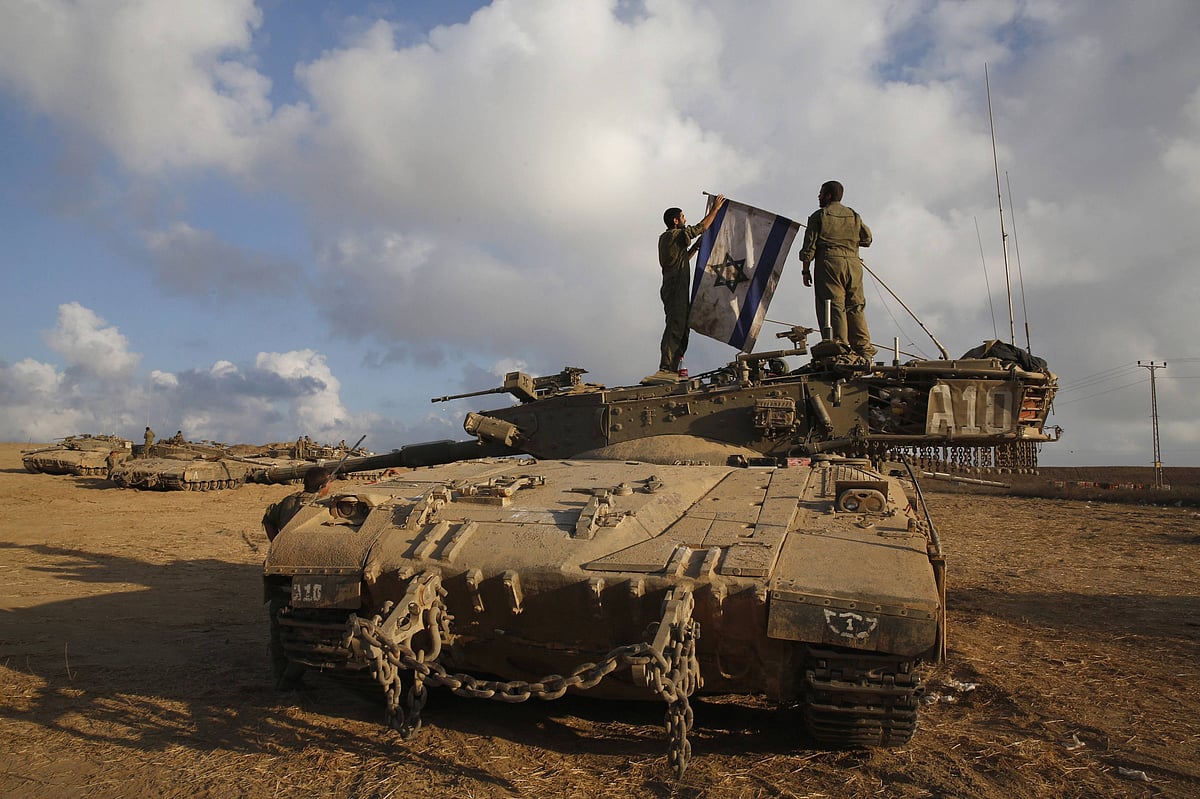
Israeli soldiers place their national flag atop a tank at a staging area near border with the Gaza Strip August 4, 2014. Reuters













