Published : 19 Dec 2013, 11:54 AM
Updated : 09 Aug 2022, 11:25 AM


The 'Times of India' quoted Indian officials as saying that the maid's family flew out on an Air India flight on December 10, two days before Khobragade was arrested in New York.
This was despite India informing the US state department about the disappearance of the maid in June, her attempts to blackmail Khobragade, the revocation of Richards' passport, and an arrest warrant being issued against the maid by the Delhi High Court.
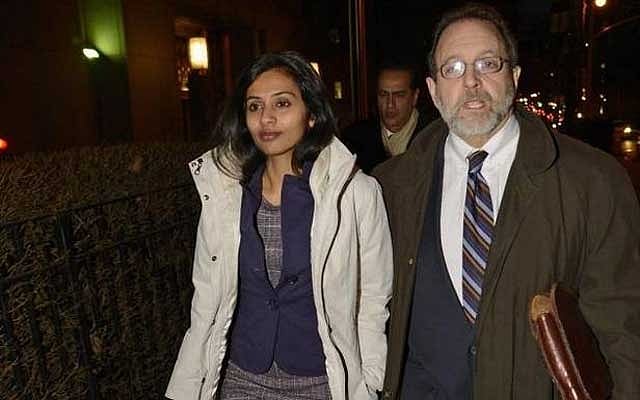
India believes that the US not only acted in bad faith, but thumbed its nose at its "strategic partner" to conspire in Khobragade's arrest and her being treated like a hardened criminal by making her undergo strip search and cavity search, says the 'Times of India'.
Prime Minister Manmohan Singh, who is said to have a special relationship with the Americans, has called the US action "deplorable", while foreign minister Salman Khurshid told the Parliament that India suspected a conspiracy against the Indian diplomat by American authorities.
Meanwhile, India moved Khobragade out from the consulate in New York to its permanent mission at the UN on Wednesday.
Now she will get full diplomatic immunity from prosecution as she will be accredited to the UN, not the US.
The move could also be an opening for the US to drop charges against Khobragade. India has demanded an unconditional apology and dropping of all charges against the diplomat.
The window to de-escalate the situation is narrowing because the indictment against Khobragade is scheduled for January. India's fundamental beef with the US is the humiliating manner in which the diplomat was treated. Citing Articles 40-42 of the Vienna Convention, the external affairs ministry of India is holding the US to the rule book.
Late on Wednesday night, US secretary of state John Kerry called up India's National Security Adviser Shivshanker Menon to apologise for the 'events after the arrest' of Devyani Khobragade.
But Kerry's expression of regret -- for the strip-search, handcuffing, cavity search and DNA swabbing usually reserved for hardened criminals -- is seen in Delhi as 'too little, too late'.
Also Read:
Indo-US spat started with BangladeshAlso Read:
India removes barriers to US embassyAlso Read:
India angry over US for diplomat’s arrest