Published : 22 Jul 2019, 01:59 AM
Updated : 17 Oct 2022, 11:43 AM


“If you obey, you will be safe,” an English-speaking officer from Iran’s Revolutionary Guard says in a radio call to the tanker, Stena Impero, which was sailing under a British flag. “Alter your course to 360 degrees immediately, over.”
In another radio call, a Royal Navy officer aboard the British warship Montrose tells the tanker to stay its course.
“This is British warship foxtrot 236,” the officer says in the recording. “Sir, I reiterate that as you are conducting transit passage in a recognised international strait, under international law your passage must not be impaired, impeded, obstructed or hampered. Please confirm that you are conducting transit passage in a recognised international strait.”
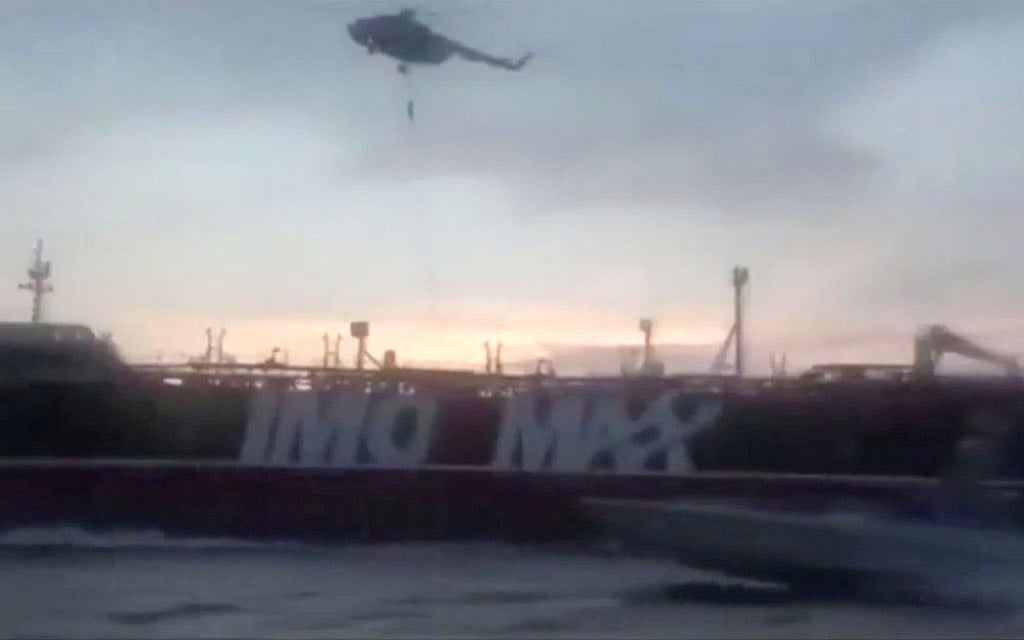
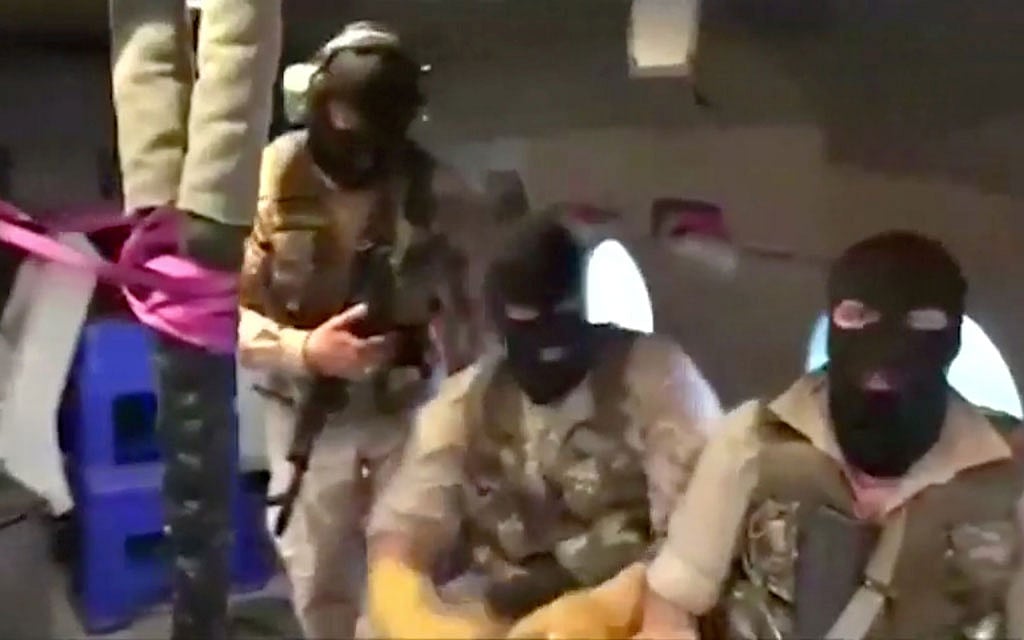
Iranian Revolutionary Guard troops wearing ski masksare seen on board a helicopter flying over British-flagged tanker Stena Impero near the strait of Hormuz July 19, 2019, in this still image taken from video. Pool via WANA/Reuters TV via REUTRS
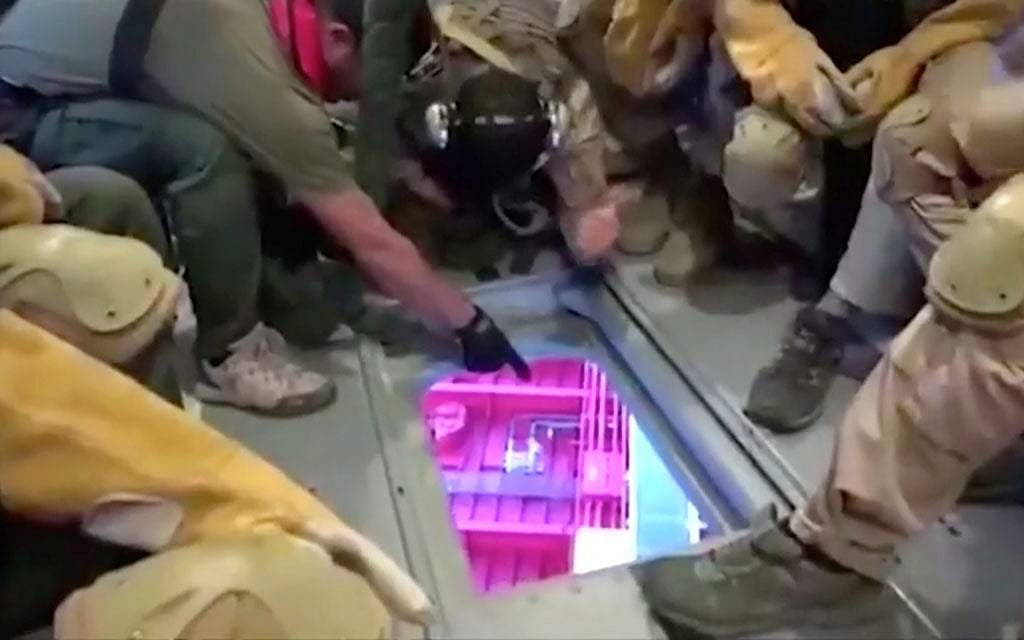
In a separate video released by the semiofficial Iranian news agency Fars, small Iranian boats can be seen surrounding the Stena Impero. An Iranian helicopter flies above it, and several soldiers in black masks descend from the helicopter to take control of the tanker.
The audio of the capture, released by the maritime security firm Dryad Global, illustrates the difficulty for even the comparatively formidable British Navy in protecting ships passing the Iranian coast through the Strait of Hormuz. A fifth of the world’s crude oil supply is carried through the narrow strait, a major choke point at the neck of the Persian Gulf.
The United States has talked of sharing intelligence and coordination to help other nations protect their commercial vessels passing through the gulf. But Washington has made clear that its role would be limited and that other nations must help shoulder the burden.
The recording may bolster British claims about the location of the ship at the moment of its capture, though it is possible that the naval officer was not speaking accurately about its location. The owner of the tanker, Stena Bulk, has said that it was in international waters at the time it was seized, and Saturday, British officials said the ship was in Omani waters.
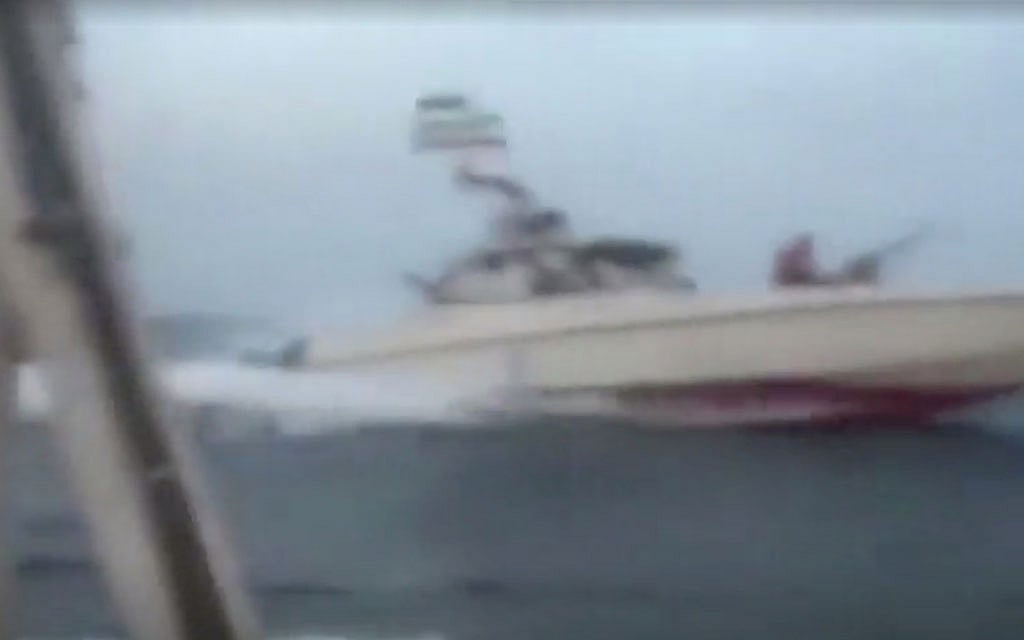
A boat sails near British-flagged tanker Stena Impero near the strait of Hormuz July 19, 2019, in this still image taken from video. Pool via WANA/Reuters TV via REUTRS
Iranian officials, however, have also described the seizure as retribution for the British impounding of an Iranian tanker off the coast of Gibraltar on July 4. Britain has said that it stopped that tanker on suspicion that it had been violating a European Union embargo on the delivery of oil to Syria.
Iran has called that seizure an act of piracy directed by Washington as part of a pressure campaign against Tehran.
Britain’s foreign secretary, Jeremy Hunt, this weekend called the exchange a tanker “tit-for-tat.” But it is also part of a larger confrontation between Washington and Tehran over a 2015 agreement between world powers and Iran to limit the country’s nuclear program, which Western governments have feared might enable Iran to produce a nuclear weapon.
President Donald Trump last year pulled the United States out of the agreement, vowing to force Iran to submit to more onerous and permanent restrictions on its conventional military and regional policies, as well as on its nuclear program.
The accord had promised Iran relief from economic sanctions in exchange for suspending and dismantling much of its nuclear program, but in May, Trump put in place sweeping new sanctions aimed at cutting off all exports of Iranian oil. The penalties have plunged the Iranian economy into crisis, and Iranian officials have described Trump’s moves as economic warfare.
Iranian Revolutionary Guard troops are seen on board a helicopter flying over British-flagged tanker Stena Impero near the strait of Hormuz July 19, 2019, in this still image taken from video. Pool via WANA/Reuters TV via REUTRS
The United States has accused Iran of using naval mines to damage six tankers in two attacks in the Persian Gulf, and Tehran has boasted of shooting down a US surveillance drone.
The United States came within minutes of a missile strike in retaliation for the downing of the drone before Trump called off the attack, and last week, the United States said it had shot down an Iranian drone that had approached an American warship.
In addition to a reciprocal retaliation for the seizure of the Iranian tanker, the capture of the British tanker appeared to fit a larger Iranian strategy. Tehran has sought to raise the cost to the world powers of their effective failure to deliver on the promises of the 2015 nuclear accord because of the US sanctions. The rising exchange of threats has driven up oil prices and raised fears that a new military conflict may break out in the region.
Although. Trump has signalled a willingness to negotiate a more limited resolution to the standoff over the renegotiation of the nuclear accord, Secretary of State Mike Pompeo on Saturday reiterated the administration’s demands that the Iranians “fundamentally change the direction of their nation.”
© 2019 New York Times News Service