Published : 07 Apr 2019, 11:02 AM
Updated : 17 Oct 2022, 11:38 AM


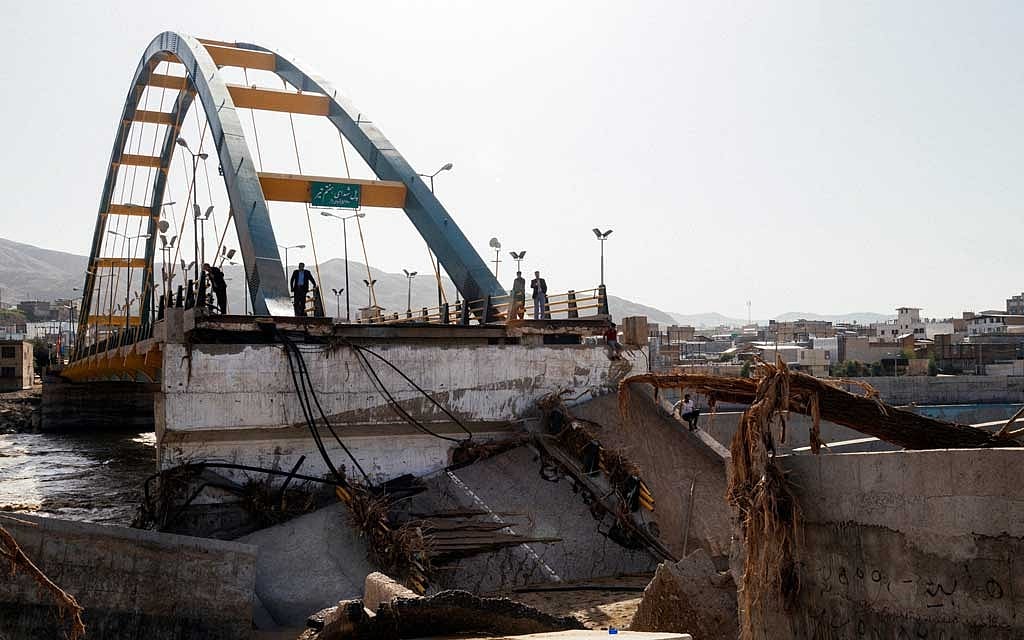
Heavy rain began in mid-March in the northeastern province of Golestan, which received 70 percent of its average annual rainfall in one day. The flooding has steadily spread across the nation, inundating communities in at least 26 of Iran’s 31 provinces.
“Iran is underwater,” said Sayed Hashem, regional director of the International Federation of the Red Cross and Red Crescent. “The scale of this crisis means that more help is needed.”
Aid groups are warning that the situation could get worse if the rains continue. Train lines have been washed away and neighborhoods have been submerged. Footage posted to social media showed raging floodwater sweeping cars from roadways and rivers bursting their banks, filled with muddy debris.
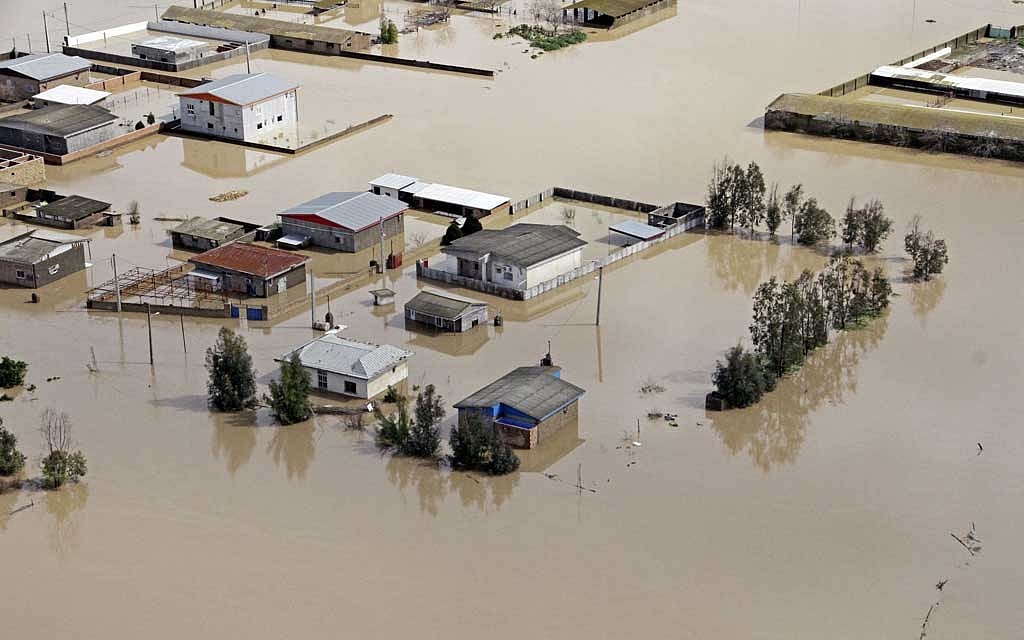
FILE PHOTO: An aerial view of flooding in Golestan province, Iran, March 22, 2019. Picture taken March 22, 2019. Tasnim News Agency/via REUTERS
Some residents have had to take to rooftops as they wait for rescue, their homes partially submerged. Aerial images showed waterlogged fields stretching as far as the eye could see.
“While the precise impact is still to be seen, it is already very clear that the floods have caused extensive damage and suffering in villages, cities and rural areas,” Hashem said.
Iranian officials have criticized the economic sanctions reimposed by the United States last year for hindering recovery efforts. A spokesman for Iran’s Foreign Ministry, Bahram Ghasemi, said Tuesday that banking restrictions had impeded aid groups like the Red Cross from sending assistance to victims.
Secretary of State Mike Pompeo pushed back, blaming Iran’s own “mismanagement in urban planning and in emergency preparedness” for the crisis. He said the United States was ready to offer funding to the Red Cross.
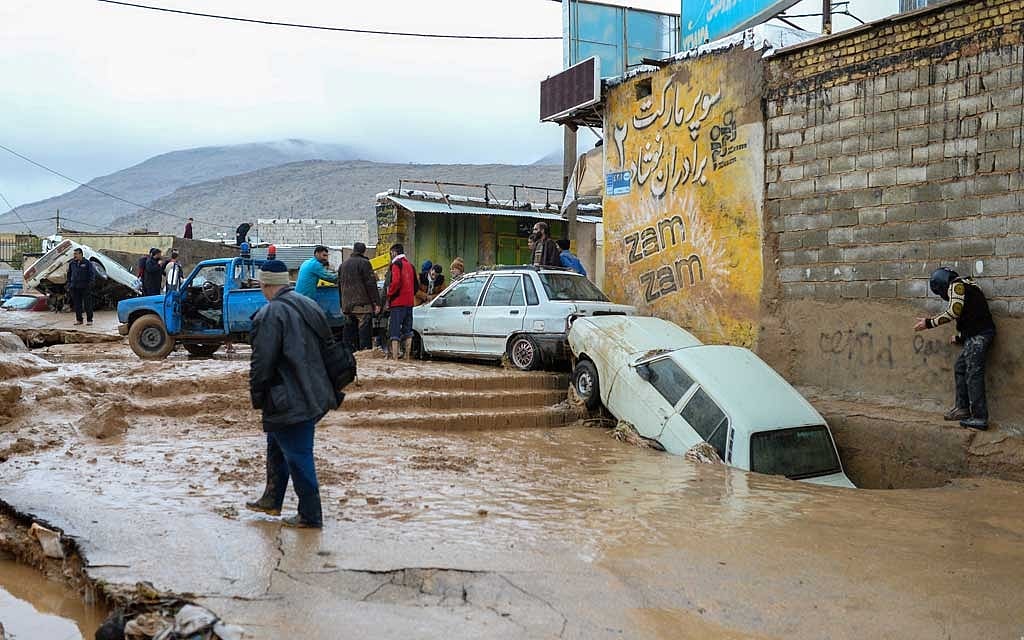
Damaged vehicles are seen after a flash flooding in Shiraz, Iran, March 26, 2019. Tasnim News Agency/via REUTERS
Two weeks after the flooding began — and days after the exchange of recrimination — international aid has begun to arrive in the country.
The German Red Cross sent 40 inflatable boats and other rescue equipment. Several tons of food, water pumps and medicine have arrived from Kuwait, according to IRNA, Iran’s state-run news service.
While evacuations and aid distribution continue, more rainfall is expected in the southwestern province of Khuzestan, which borders Iraq. That could complicate the efforts. Six towns there were being evacuated in anticipation of the rainfall, IRNA reported.