


Published : 11 Mar 2016, 06:19 PM
Updated : 19 Oct 2022, 05:09 PM






It was 2:46pm when she suddenly heard a tsunami alert, asking people to immediately rush to higher grounds.
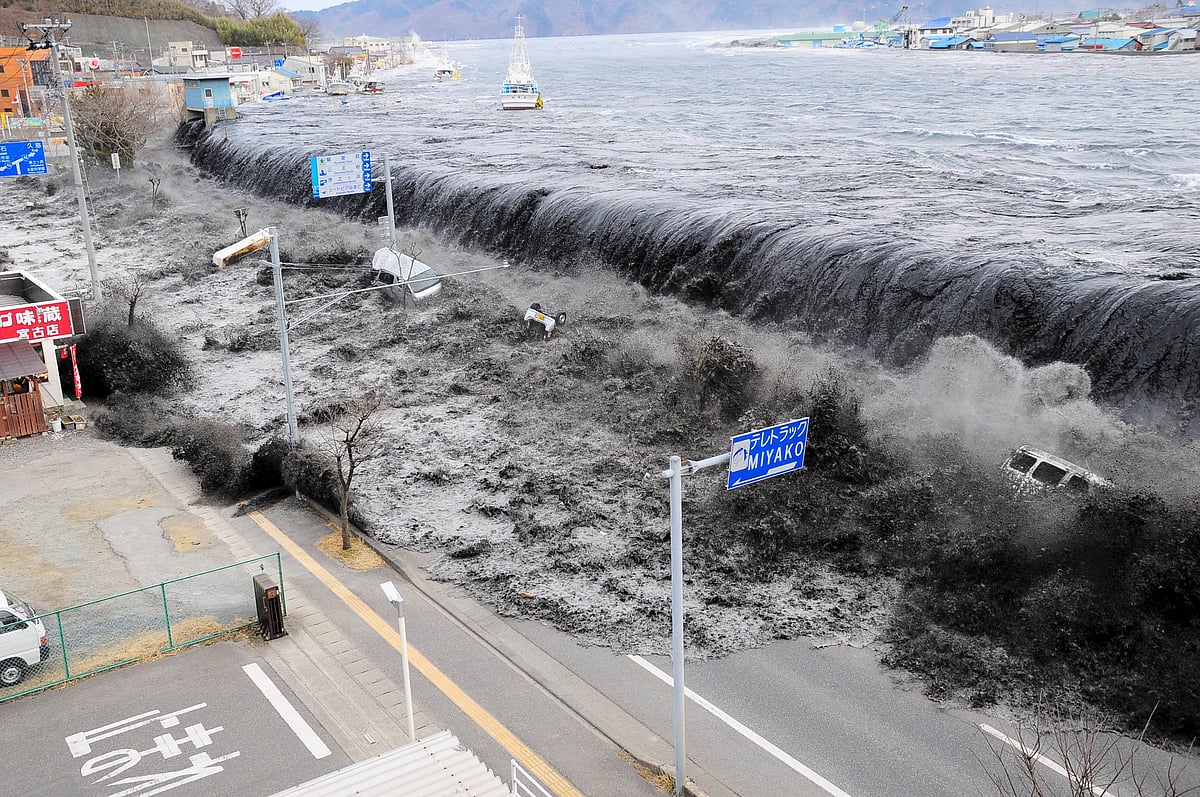
In seconds, people and cars started running frantically for safety as the quake struck. Mai and her mother fell on the ground.
They got up and started towards home but could not go much farther as Seto could not really run. Mai could see ‘something very high, white’ rushing towards them.
Mai paced up only to realise moments later that her mother was not with her anymore.
Reuters photo
Reuters photo
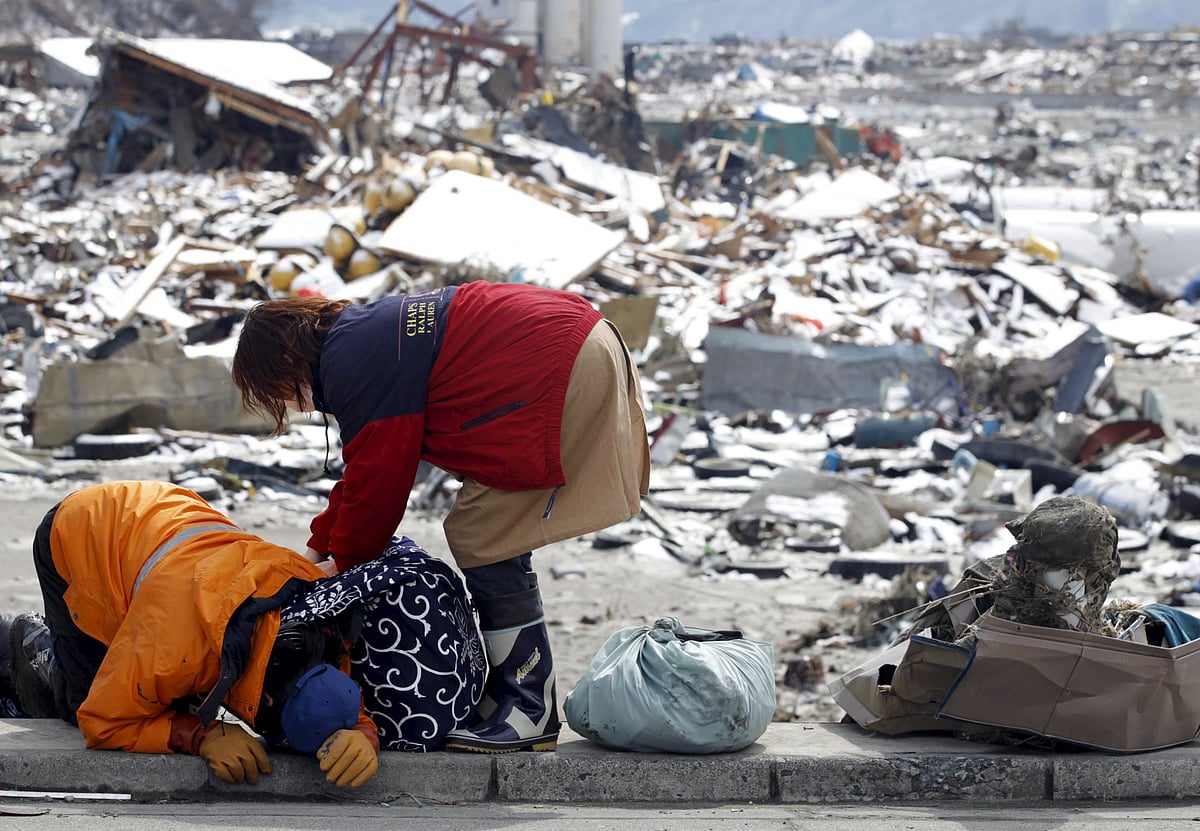
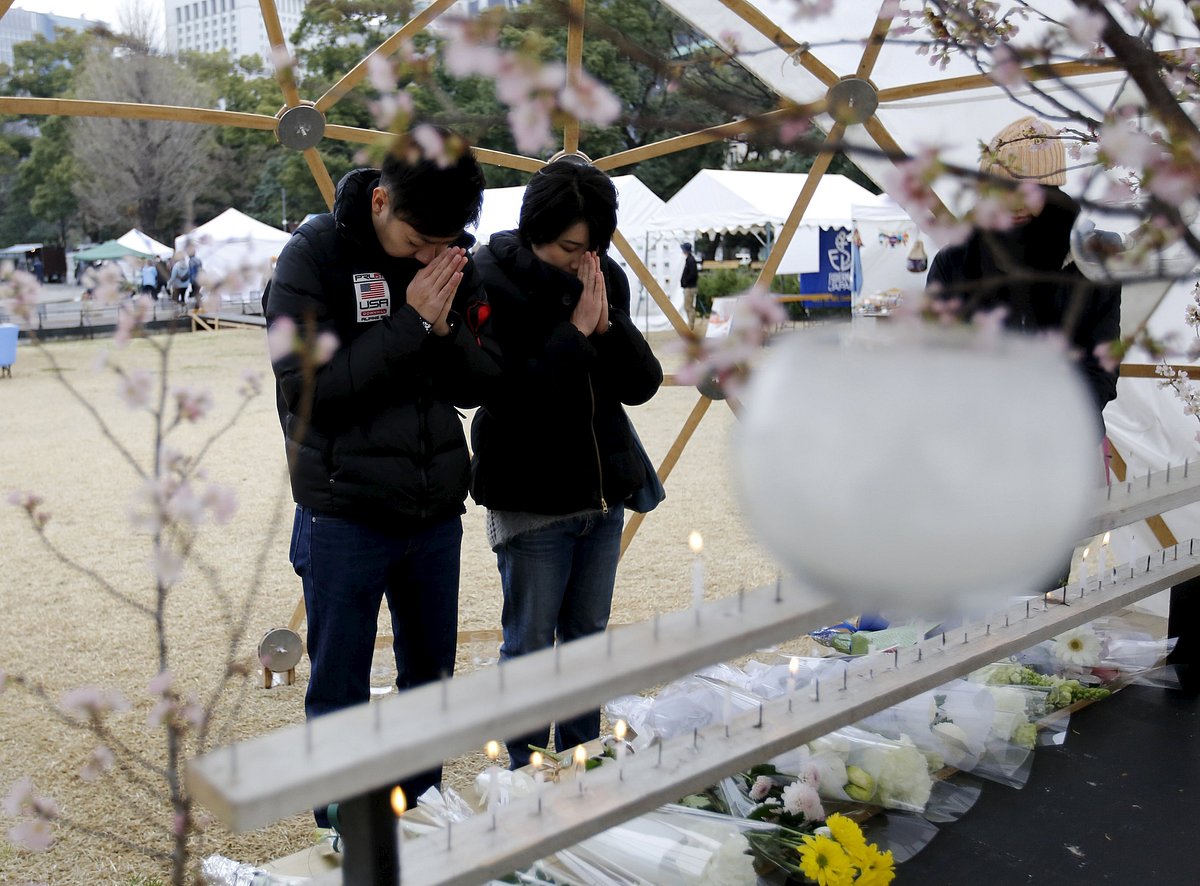
“The experience of losing the most precious person in my life hurts me every day,” the woman, aged around 30, added while talking to this correspondent at a restaurant there.
There were many more people at the eatery with heart-wrenching stories like hers.
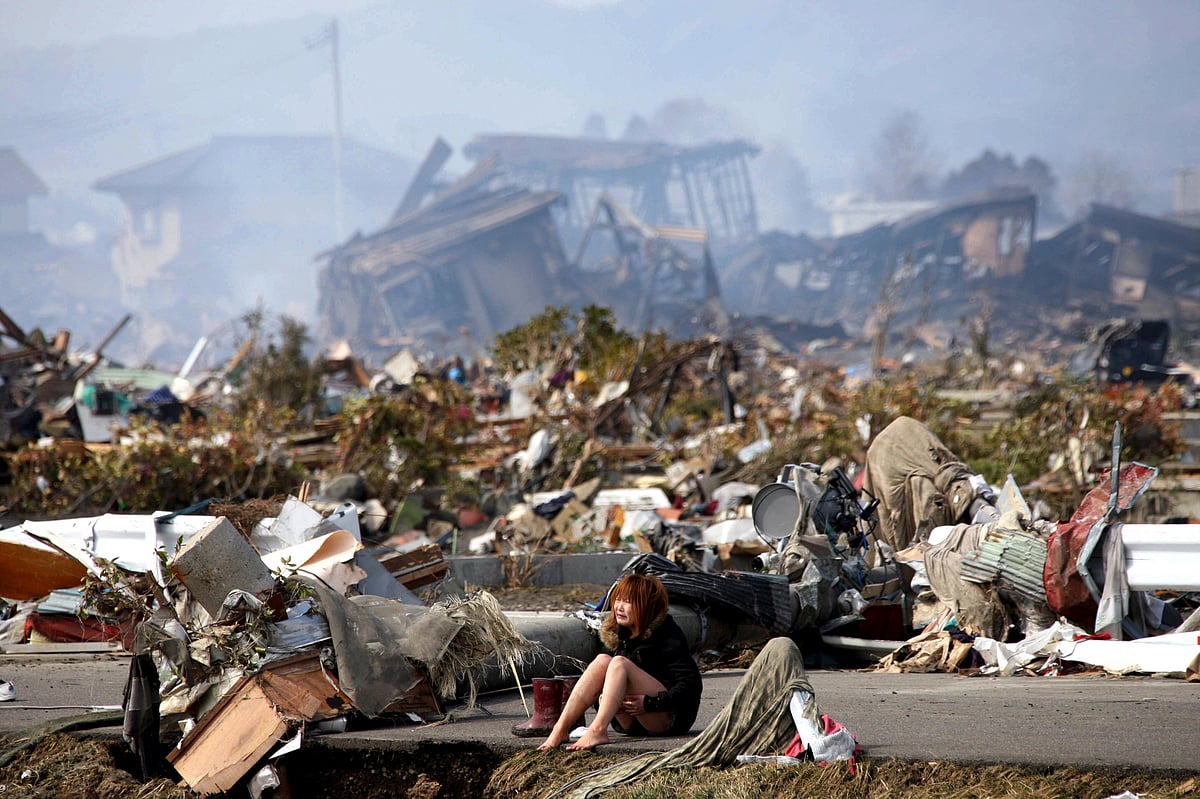
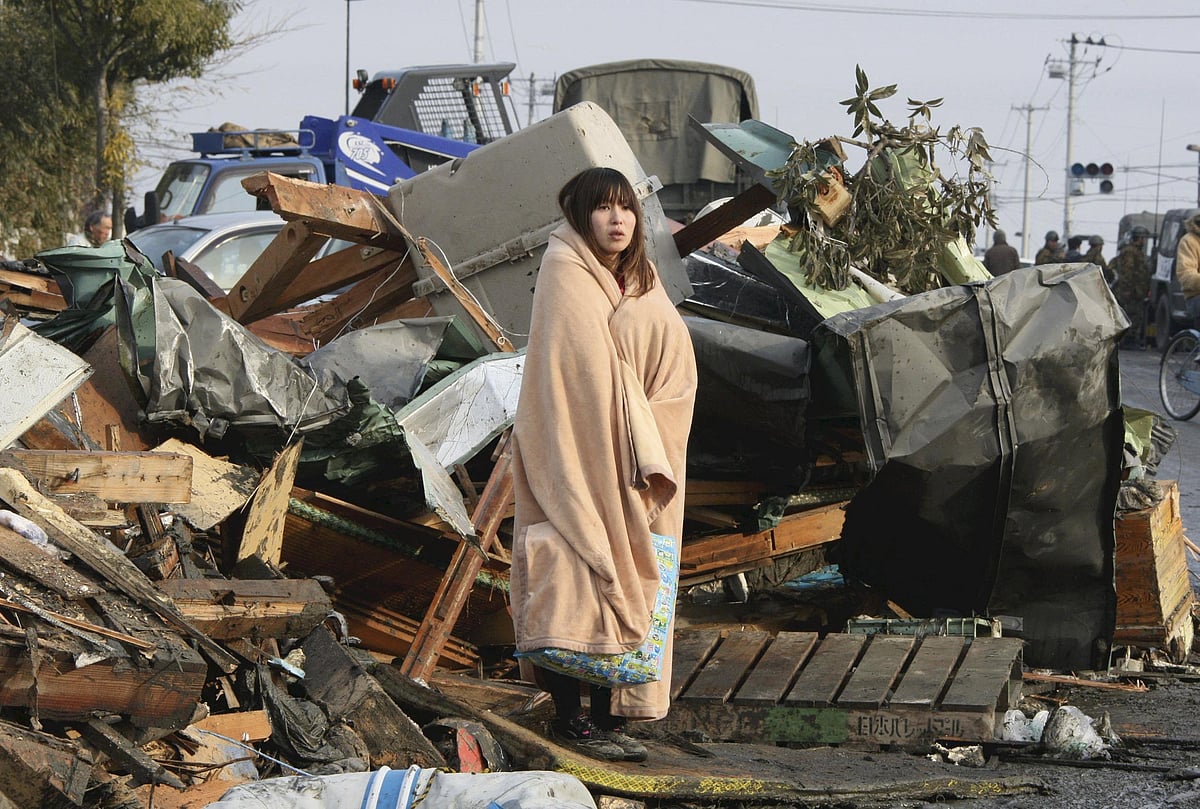
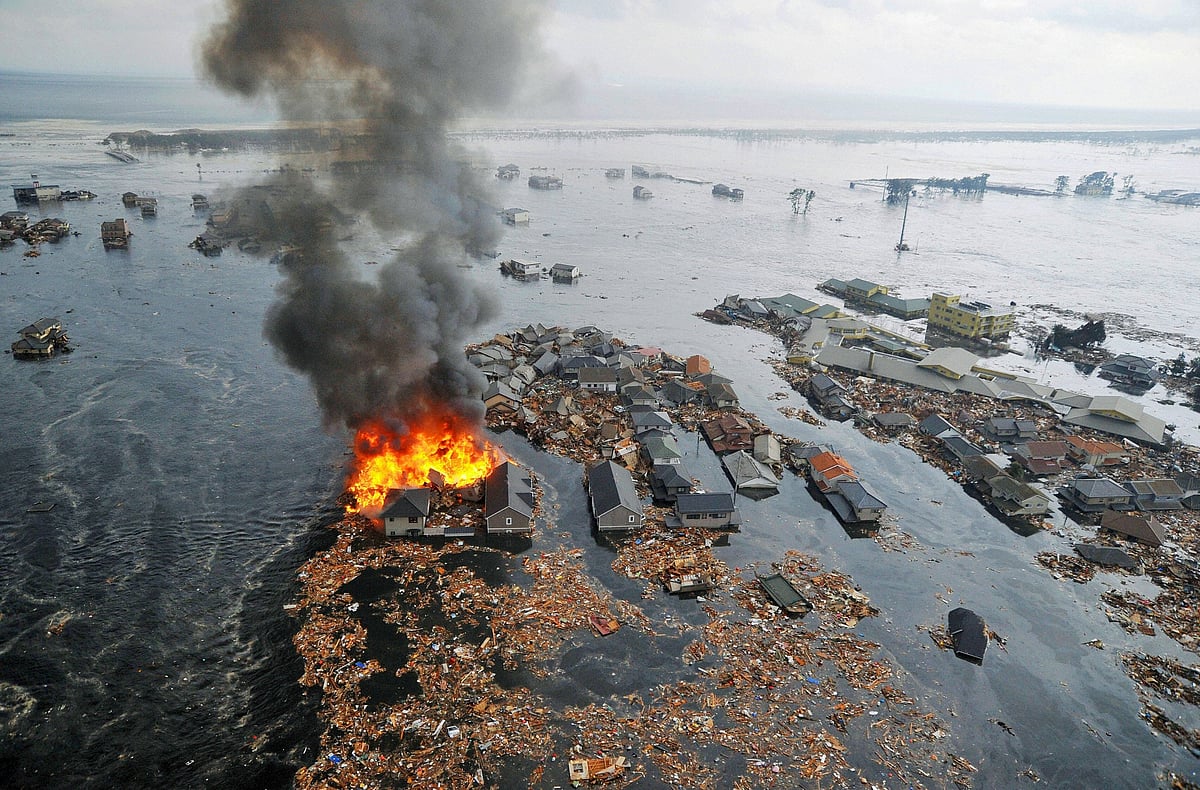
On this day, five years ago, a deadly earthquake and tsunami devastated Japan. A number of provinces in the country’s eastern region were wiped away.
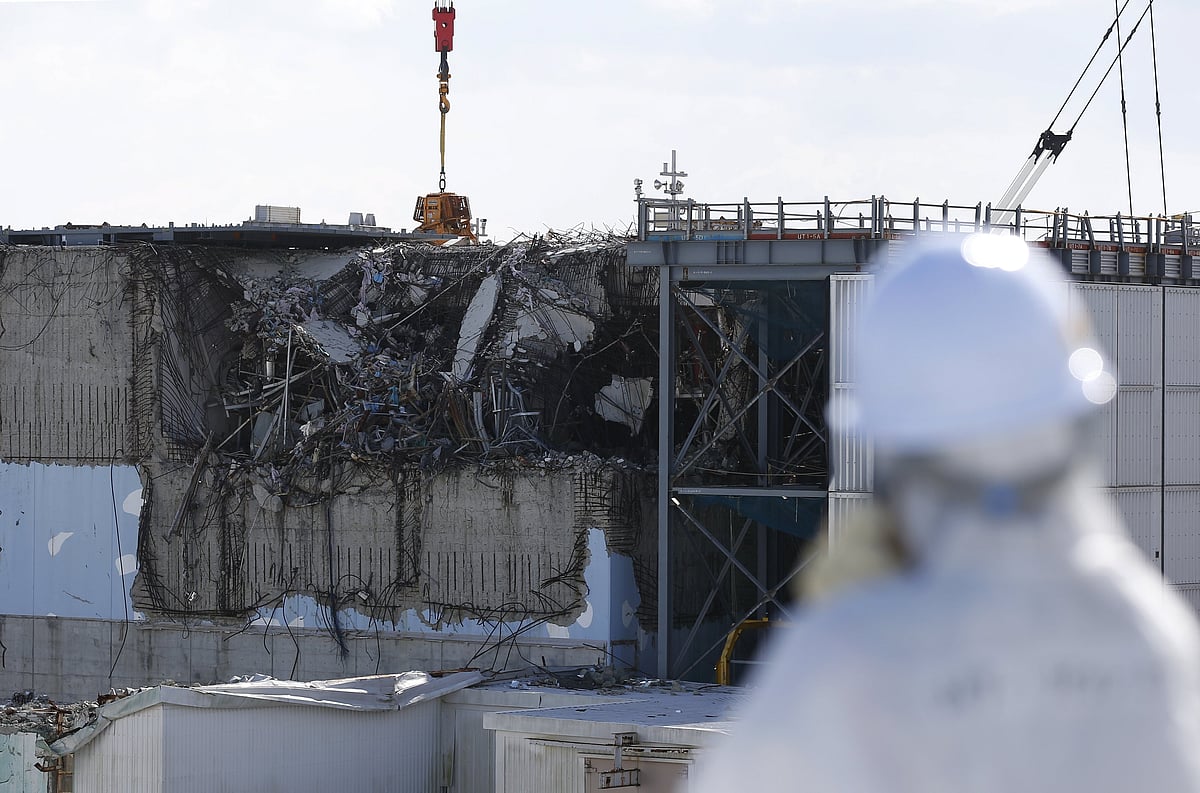
The tsunami crippled the Fukushima Dai-ichi Nuclear Plant, where meltdowns in three reactors spewed radiation over a wide area of the countryside, contaminating water, food and air.
At least 15,894 lives were lost and another 2,561 people went missing in the tragedy.
Reuters photo
Reuters photo
“Small-scale quakes are almost a regular phenomenon in Japan. But that day I realised what actual earthquake feels like.
“When I returned to my lab after lunch, I found all the lab equipment rolling on the floor. Though the building I was in was pretty strong, it was rocking in an unimaginable way. I thought no one will survive it.”
More than a hundred Bangladeshis left the country, fearing radiation impacts from the Fukushima reactor.
Bangladeshi writer Prabir Bikash, who has been living in Japan for a long time, was in Tokyo -- the capital city that did not suffer much damage -- on that day.
“I was in a three-storey building. That tremor! The doors and windows were rattling. Books fell on to the floors from the shelves. Trains were stopped. People were frantically running around.
“I looked outside through the window and found the tall buildings swaying like areca nut trees and the cars like boats,” said the Tagore-researcher.
Reuters photo
Reuters photo
The coastal areas of Iwate, Fukushima, Miyagi and Sendai provinces suffered the worst in the huge tsunamis created by the magnitude 9-quake.
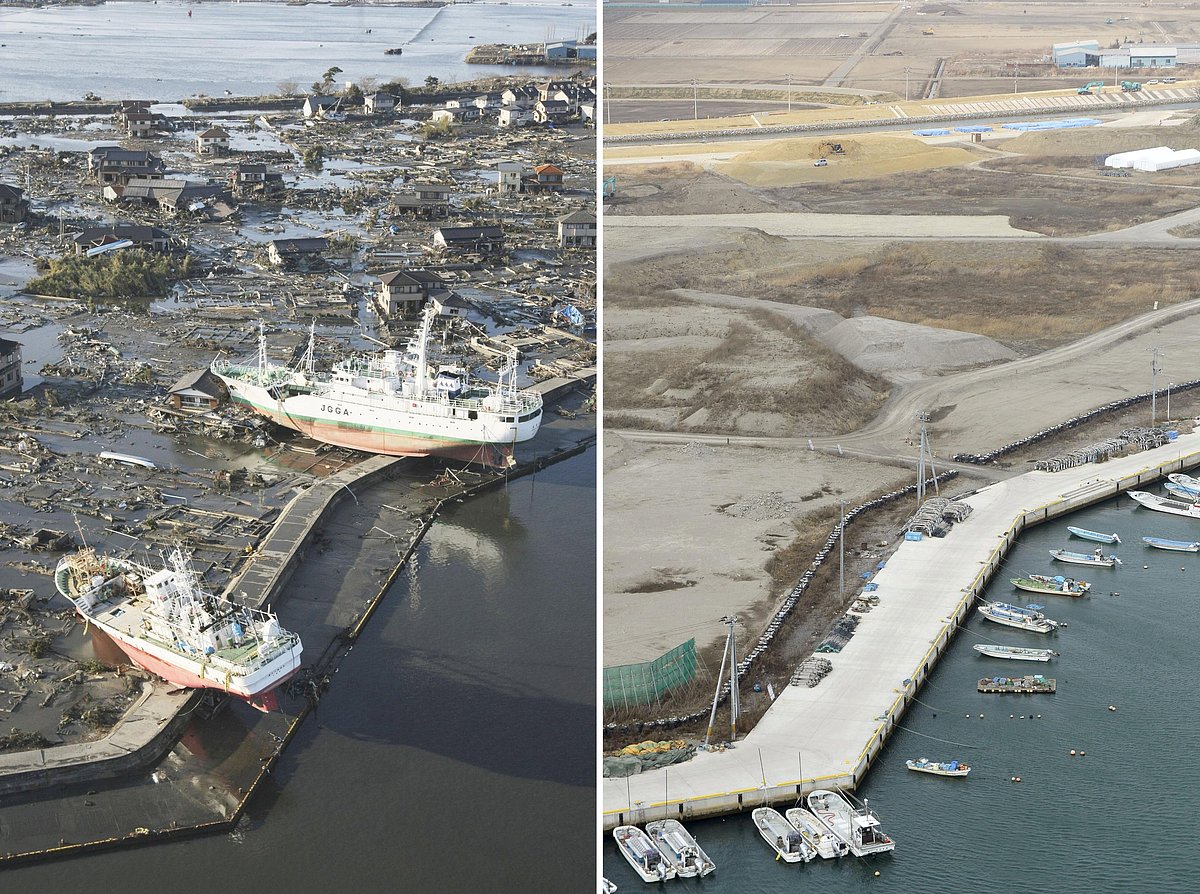
Following that, the coastal sea walls have been made a few times stronger. Residents of the vulnerable areas have been provided with life jackets and trainings to deal with disasters.
The government has repaired roads and houses damaged in the devastation. Every affected family received 13 million Japanese Yen (around $114,000).
“There indeed has been massive reconstruction work,” said Osuko Onudhara of Kesennuma in Miyagi. He lost his house and father in the catastrophe.
“Though the tsunami devastated everything, the local administration has rebuilt the whole city.”
Reuters photo
Reuters photo
A worker of the plant died from cancer last year. At least 16 children of the affected areas were reportedly diagnosed with cancer even five years after the incident.
To avoid recurrence of such disaster, the Japan government closed down 48 nuclear reactors across the country immediately after the tsunami.
Six of them, however, resumed operations last year.







