


Published : 12 Apr 2022, 08:32 AM
Updated : 21 Oct 2022, 03:41 PM


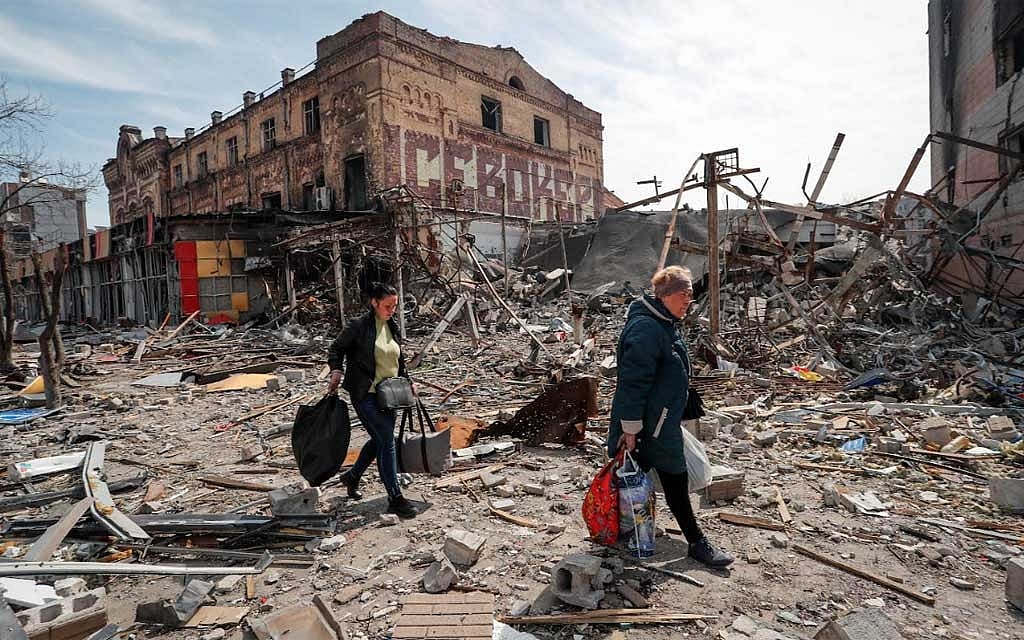
Russia struck a train station crowded with civilians in Kramatorsk in the eastern part of the country Friday, killing at least 50 people and wounding many more. In a video of the scene, one woman shouted, “There are so many corpses, there are children, there are just children!”
Russia has also reorganised its command in Ukraine. The general now in charge of the invasion reportedly ordered strikes on civilian neighbourhoods during a vicious Russian campaign in Syria.
Analysts expect Russia to carry out a major offensive toward Dnipro, a city that is a strategic target in east-central Ukraine. On Sunday, Russian strikes rained down on the airport there, wounding rescue workers.
And US analysts saw Russian troops in and around the city of Izyum, north of Kramatorsk, preparing to push on to Dnipro and other strategically important cities.
“We are being encircled. We understand that,” Tetiana, 50, a shopkeeper who works next to the bombed train station in Kramatorsk, told Thomas Gibbons-Neff and Natalia Yermak of The New York Times on Sunday.
Putin’s apparent goal is to cement control over the Donbas region in Ukraine’s east, where Russia-backed separatists have fought for years, and potentially secure a land bridge to Crimea in the south, which Russia has controlled since 2014.
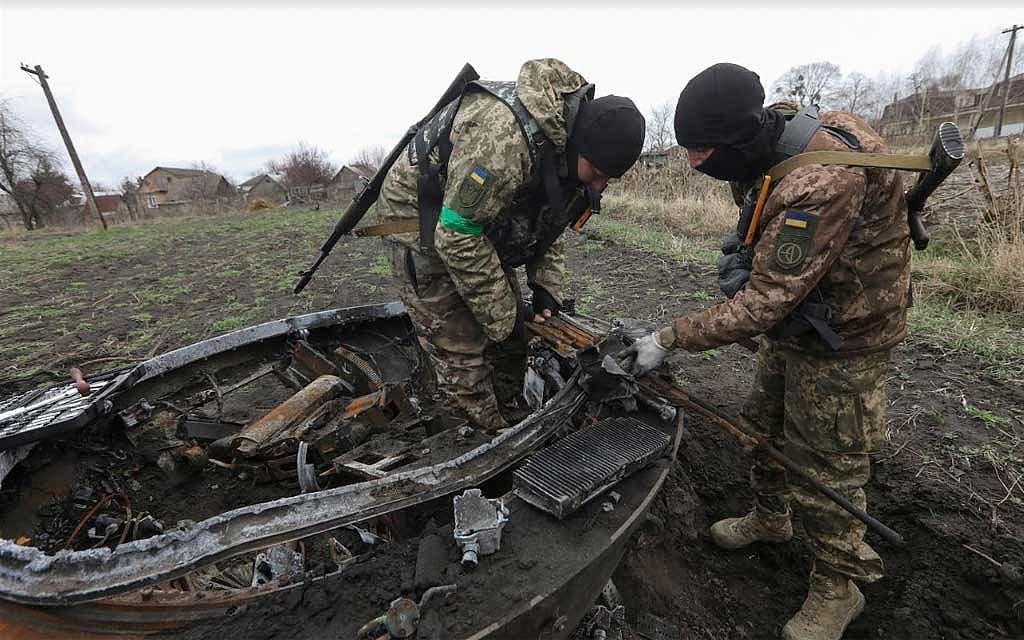
Russia will likely continue to bomb cities across the country to keep Ukraine from sending troops and resources to the east, experts said. But the bulk of Russian soldiers on the ground — including newly hired mercenaries and Syrian troops — will set up camp and fight in eastern Ukraine.
Russian officials “have learned some of their lessons,” my colleague Julian Barnes, who covers national security, told me. “They spread out their forces too much; they’ve realised that. They used poorly trained forces to try to take Kyiv.” He added, “They underestimated Ukrainians.”
What happens after the battle for the Donbas region, and whether Russian forces will shift their focus back to the rest of Ukraine, is less clear. “I don’t think anybody can know right now,” Barnes said. “I don’t think Putin can know.”
The success or failure of Russia’s campaign in the east will shape the legacy of Putin’s war — and Ukraine’s fate.
If the fighting in the east is tough, or if Russia falls short of a clean victory, Putin might start to look for a way out of the war. If Russia wins more decisively, Putin could try to push into the rest of Ukraine once again, perhaps aiming to take out Ukrainian leadership and install a puppet regime.
“I don’t think the Kremlin has abandoned its very maximalist aims,” said Mason Clark, the lead Russia analyst at the Institute for the Study of War. “It’s just been forced to revise them downward.”
The conflict is looking more like a war of attrition, Michael Kofman, the director of Russian studies at the national security think tank CNA, told me. And the violence could get even worse in the next phase, as Russian forces directly assault Ukrainian troops and bomb cities in an attempt to cut off Donbas from the rest of the country.
Western officials have said that Putin would like to claim some sort of win by May 9, when Russia celebrates its victory in World War II. The date could act as a deadline for Putin’s decision on the next phase of the war. “I’m not sure the Russian military could sustain current operations much beyond that anyway,” Clark said.
But some experts were sceptical. “I’m sure Putin would love to get a total victory in the Donbas by May 9,” Kofman said. “But you know what happens when he doesn’t get it? He’ll try to get it the day after.”
© 2022 The New York Times Company













