Published : 10 Oct 2026, 12:39 PM
Updated : 10 Oct 2026, 12:39 PM


Donald Trump's deal with Vladimir Putin to put millions of tonnes of Russian diesel back onto the market could reach far beyond US filling stations, potentially easing pressure on fuel supplies from Europe to Asia at a time of an acute global shortage.
The US president says Russia will supply about 4.8 million tonnes of diesel in stages after Washington opened a temporary sanctions carve-out for Russian-origin fuel.
The immediate aim is to bring down soaring US diesel prices. But diesel is traded globally, meaning additional Russian barrels, if they arrive, could also affect prices and competition for supply elsewhere, including in import-dependent countries such as Bangladesh.
So what exactly was agreed, how much difference could it make and what could it mean for the rest of the world?
What Did Trump and Putin Agree?
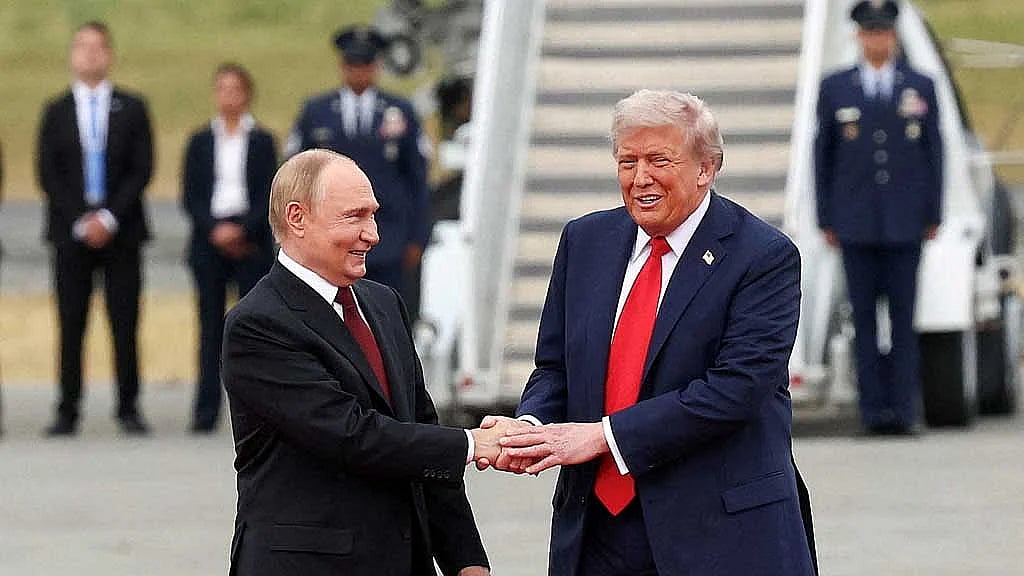
Trump said after speaking to Putin on Friday that Russia would immediately supply more than 300,000 tonnes of diesel to the US and global market.
Another 500,000 tonnes would follow in November and 1 million tonnes "immediately thereafter", according to Trump, followed by a further 3 million tonnes "within a short period of time", depending on the condition of Russia's refineries.
Moscow confirmed after the call that Russia was ready to supply oil and petroleum products to the US and global markets.
But Russia did not confirm Trump's volumes or delivery timetable.
The buyers, destinations and commercial terms have also not been disclosed.
Why Has Washington Eased Sanctions?
The US Treasury's Office of Foreign Assets Control issued General License 135 shortly after Trump's announcement.
It temporarily authorises transactions otherwise prohibited under two US sanctions regimes when they involve the sale, delivery, offloading or importation of Russian-origin diesel, including imports into the United States.

The licence runs until Apr 7, 2027.
It is not a general lifting of sanctions on Russian energy. But it marks a significant shift after years of Western efforts to restrict Moscow's energy revenues over its invasion of Ukraine.
Why is There a Global Diesel Squeeze?
The shortage extends well beyond the US.
Diesel and gasoil account for nearly 30 percent of global oil demand, according to the International Energy Agency.
Before the latest disruptions, Russia and Gulf producers together accounted for almost 45 percent of global seaborne diesel trade.
By August, their combined net exports were about 1.6 million barrels a day lower than in February.
War in West Asia has disrupted refinery production and shipping from the Gulf, while Ukrainian attacks have badly damaged Russian refining capacity.
Other suppliers have been trying to fill the gap. The US exported 45.9 million barrels of diesel in September, up from 29.1 million barrels in February, with much of the additional fuel heading towards Europe and Latin America.
Why Does This Matter Outside the US?
Diesel is an interconnected market, so a supply change in one region can quickly affect buyers elsewhere.
The US has been boosting exports, primarily to Europe and Latin America, to compensate for lost Russian and Gulf supplies.
Latin America relies on US imports for about a third of its diesel demand, while European buyers have also become more dependent on American cargoes.
Asia buys relatively little US diesel directly, but it is still exposed.
If European and Latin American buyers struggle to secure enough fuel from the Atlantic market, they compete more aggressively for cargoes from refiners in South Korea, Singapore, India and elsewhere in Asia.
The reverse also applies.
If Russian diesel genuinely adds to worldwide supply and allows the US to keep exporting at high levels, competition for Asian cargoes could ease.
Countries could therefore benefit from additional Russian supply even without importing Russian diesel themselves.
What Could It Mean for Bangladesh?
Bangladesh has already explored buying Russian fuel during this year's supply crisis.
In March, government officials said Bangladesh was working to import 600,000 tonnes of Russian diesel over two months and had sought a US sanctions waiver because of restrictions on Russia.
Foreign Minister Khalilur Rahman subsequently asked US Energy Secretary Chris Wright for special permission to buy Russian refined diesel and other petroleum products.
The Energy and Mineral Resources Division later said it had received no official information that such a waiver had been granted and rejected reports of a separate plan to import 1 million tonnes of Russian diesel.
On its face, the new US licence appears to ease the particular sanctions hurdle Bangladesh cited earlier this year, as it authorises a broad range of transactions involving Russian-origin diesel under the two US sanctions regimes it covers.
But Dhaka has not announced any fresh purchase from Russia under the new arrangement. Russian availability, shipping, commercial terms and any other applicable restrictions would also still matter.
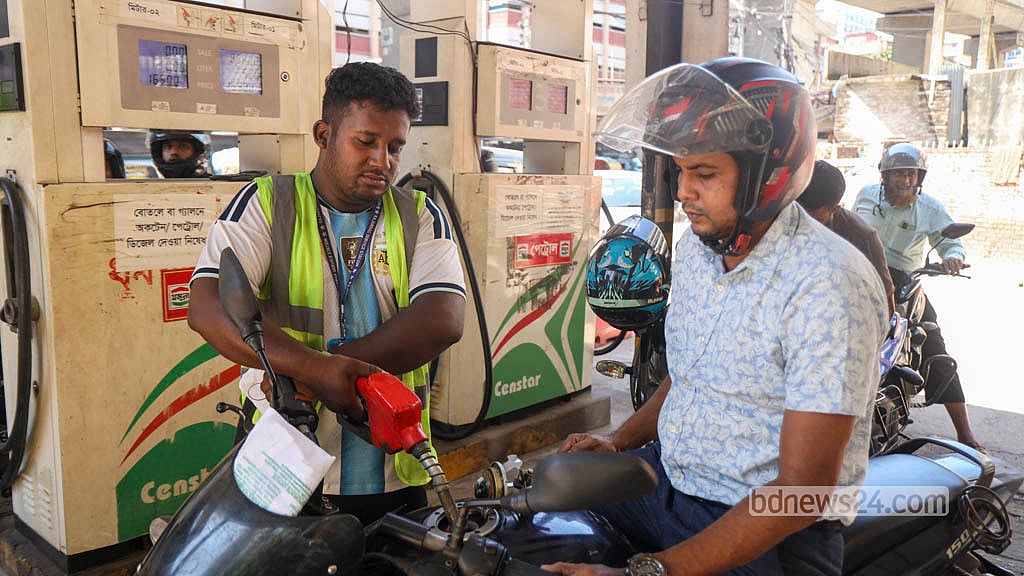
Bangladesh is already feeling the global price squeeze. Diesel costs Tk 135 a litre after a Tk 20 increase in September, with the price kept unchanged for October.
A sustained decline in international diesel prices could reduce pressure on Bangladesh's fuel import costs. But domestic prices also depend on factors including international prices, import costs, taxes and duties and the dollar exchange rate, meaning cheaper global diesel would not necessarily result in an immediate cut at the pump.
Will Russian Diesel Bring Prices Down?
It could ease some pressure, but the promised volumes would not solve the shortage by themselves.
US diesel prices have risen to around $6.28 a gallon, while prices have also surged in Europe and Asia.
Markets responded quickly to Trump's announcement, with US diesel futures falling almost 5 percent.
But the Russian fuel would arrive in stages, while combined diesel and gasoil exports from Russia and Gulf producers were about 1.6 million barrels a day lower in August than in February.
There is also a question over how much genuinely new supply Russia would add.
If Moscow simply redirects diesel from existing customers to the US or other markets, those buyers will have to look elsewhere for replacement cargoes. That would reshape trade flows rather than increase global availability by the full amount announced.
Can Russia Actually Deliver?
That remains one of the biggest uncertainties.

Nearly half of Russia's refining capacity remained offline at the end of September, according to S&P Global, with Ukrainian drone attacks accounting for about 3.1 million barrels a day of disrupted capacity.
Russian diesel and gasoil exports averaged around 1 million barrels a day during the first half of 2026 but have fallen to about 550,000 barrels a day since July.
Moscow has also maintained restrictions on diesel exports as it tries to protect domestic supplies.
Trump himself acknowledged the constraint by making the final 3 million tonnes dependent on the condition of Russia's refineries.
Why is Ukraine Against the Deal?
Kyiv argues that reopening markets for Russian petroleum products will give Moscow more money to sustain its war.
President Volodymyr Zelensky called the move a "weak decision on the part of strong partners" and described allowing Russia to earn more from fuel exports as an "investment in war".
The agreement also cuts across an important part of Ukraine's strategy.
Kyiv has intensified attacks on Russian refineries and fuel infrastructure in an effort to disrupt domestic supplies and reduce the energy revenues available to Moscow.
Trump, meanwhile, has argued that strikes on Russian refineries are worsening the worldwide fuel shortage.
The diesel agreement therefore exposes a growing tension between Washington's effort to bring down global fuel prices and Ukraine's campaign against a sector central to Russia's economy and war effort.
What Does Russia Get?
At the most basic level, Russia gains another outlet for its petroleum products and the export revenue that comes with it.
Whether Moscow secured anything else in return has not been publicly disclosed.
For now, the US sanctions exemption is in place and Russia says it is willing to supply fuel.
What remains uncertain is whether Moscow can deliver all the diesel Trump announced and whether those barrels will add enough genuinely new supply to make a lasting difference to prices around the world.