Published : 30 Sep 2026, 10:35 AM
Updated : 30 Sep 2026, 10:36 AM


Bangladesh Petroleum Corporation has drawn down Tk 195 billion from project allocations, including funds for Eastern Refinery Unit-2, to sustain fuel imports amid supply disruptions arising from the conflict in West Asia.
The disclosure came in a working paper prepared by BPC for the first meeting of parliament's public undertakings committee on Tuesday.
The paper said BPC incurred losses of around Tk 228.76 billion between March and August while keeping domestic fuel supplies uninterrupted.
It added that the corporation had tapped project funds to maintain imports over the past seven months.
This has raised questions over whether the projects whose funds were tapped will see their work affected.
But BPC Chairman Rafiqul Islam said the money remains the corporation's own, and has simply been reallocated based on priority after assessing when and how much each project will need, so the work will not suffer.
"The funds held in project accounts belong to BPC itself,” he told bdnews24.com. “We reallocated the money after considering when and how much each project would need in the current and next fiscal years.
“No fresh funds were sought from the ministry for this."
Describing continued fuel oil imports despite the losses as BPC's top priority at present, he said funds would be arranged for the projects whenever needed.
6-Month Loss Reaches Tk 228.76bn
The working paper says BPC needs to maintain Tk 150 billion to Tk 200 billion in working capital, equivalent to the cost of two months’ fuel, to ensure energy security.
Its working capital, however, has fallen because it sells fuel at subsidised prices.
According to BPC, the corporation’s losses stood at about Tk 228.76 billion between March and August.
BPC Chairman Rafiqul said diesel accounted for a large share of the loss, as it makes up about 65 percent of petroleum products used in the country.
Based on international prices and the dollar exchange rate when the working paper was prepared, diesel cost about Tk 205 per litre, while it was being sold domestically for Tk 115.
According to the working paper, the average international price of diesel was $86 per barrel in February before rising to $186.59 in March.
The price peaked at $284.95 per barrel in April. The average price was $165.82 by September, when the working paper was prepared.
For BPC to recover its costs at the latest adjusted retail price, the international price would have to be $110 per barrel. The corporation is therefore still incurring losses at the current price.
Govt Kept Prices Unchanged for 5 Months
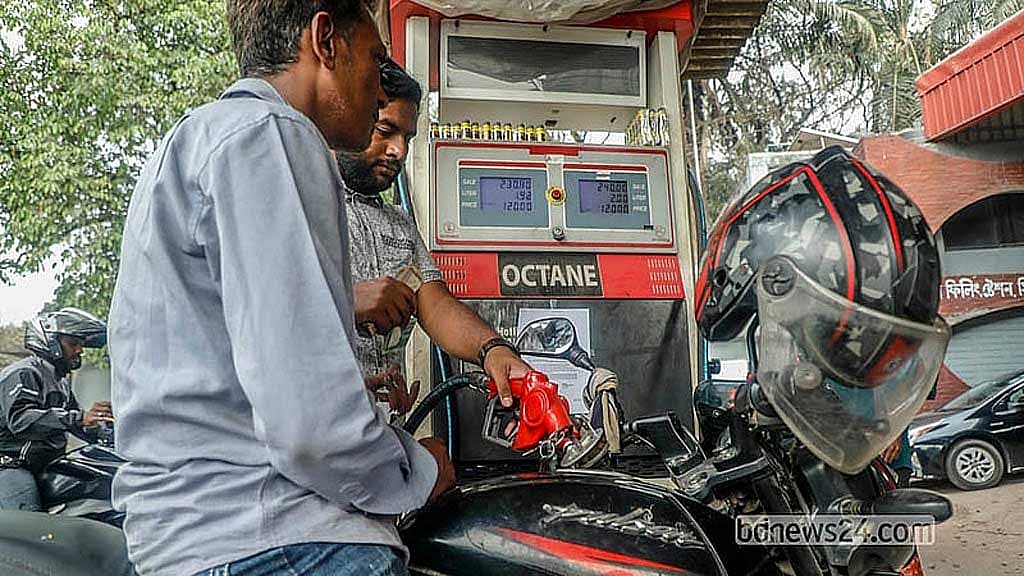
Bangladesh introduced an automatic fuel pricing mechanism in March 2024, adjusting diesel, kerosene, octane and petrol prices monthly in line with the international market.
The BPC paper said that although international fuel prices rose sharply from March because of the West Asia war, the government held off raising domestic prices under the automatic formula for around five months, citing public interest.
Diesel prices were raised from Tk 100 to Tk 115 a litre on Apr 19.
Kerosene was then set at Tk 135, octane at Tk 145 and petrol at Tk 140 on Jun 1, with diesel kept at Tk 115.
Most recently, on Sept 21, all four fuel types saw a Tk 20 per litre increase, taking diesel to Tk 135, kerosene to Tk 155, octane to Tk 165 and petrol to Tk 160.
BPC's paper said the latest price hike was aimed at both cutting losses and reducing the risk of fuel being smuggled to neighbouring countries.
Asked whether BPC had specific data on the scale of smuggling, Rafiqul said the corporation had not been able to pin down an exact figure.
He said the price gap between the two countries had created a smuggling risk, with reports of this reaching BPC from different sources, and that this risk had also factored into the price adjustment.
Panel Asks How Crisis Ended After Price Hike
The Parliament Secretariat said Tuesday’s meeting discussed the reasons for the fuel crisis after the current government took office.
The committee sought an explanation from the BPC about how the crisis ended after fuel prices were raised even though the supply system remained unchanged during and after the crisis.
The BPC chairman, however, said the first meeting of the committee did not include a detailed discussion of fuel price increases.
Instead, he said, the discussions focused mainly on the operations of BPC and its companies, their preparations and future plans.
The committee recommended that BPC provide detailed information at its next meeting on current fuel demand, storage capacity and preparations to meet future demand.
It also recommended that the corporation prepare a realistic plan to keep fuel prices affordable for consumers.
Plan to Raise Storage Capacity
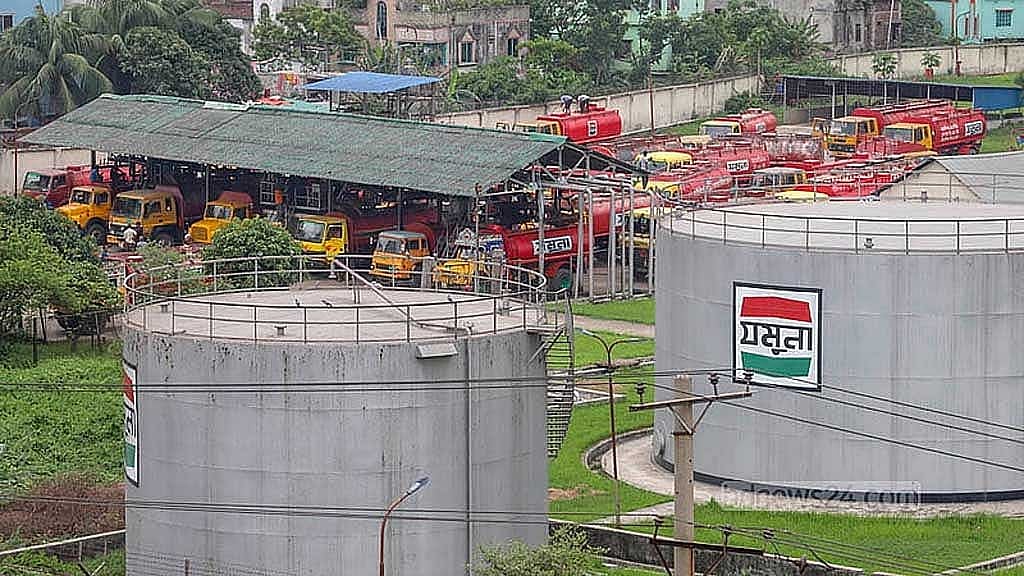
BPC and its subsidiary companies have the capacity to store 1,600,273 tonnes of fuel oil across 64 depots and installations.
According to BPC's figures, this capacity can provide 40 to 45 days of fuel security, depending on the product. The paper also outlined plans to raise this storage capacity to 90 days.
Asked how much investment this would require, Rafiqul said: "The total investment figure hasn't been determined yet. BPC won't build all the infrastructure centrally.
“The subsidiary companies have begun work to boost storage capacity using their own budgets. Once we review all the companies' plans, we'll determine how much funding will be needed."
The BPC chairman said this information would also be shared with the parliamentary committee at a later stage.