Published : 22 Sep 2026, 02:50 PM
Updated : 22 Sep 2026, 02:50 PM


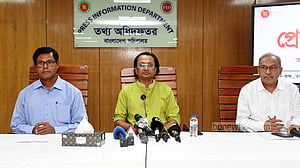
The government has raised fuel prices to ease losses and subsidy pressure amid turmoil in international oil markets, Prime Minister’s Information Advisor Zahed Ur Rahman has said.
He acknowledged public frustration over the increase, saying geopolitical tensions and disruptions to supply chains forced the administration to take the difficult step.
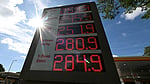
Diesel, octane, petrol and kerosene prices were raised by Tk 20 a litre on Sunday night.
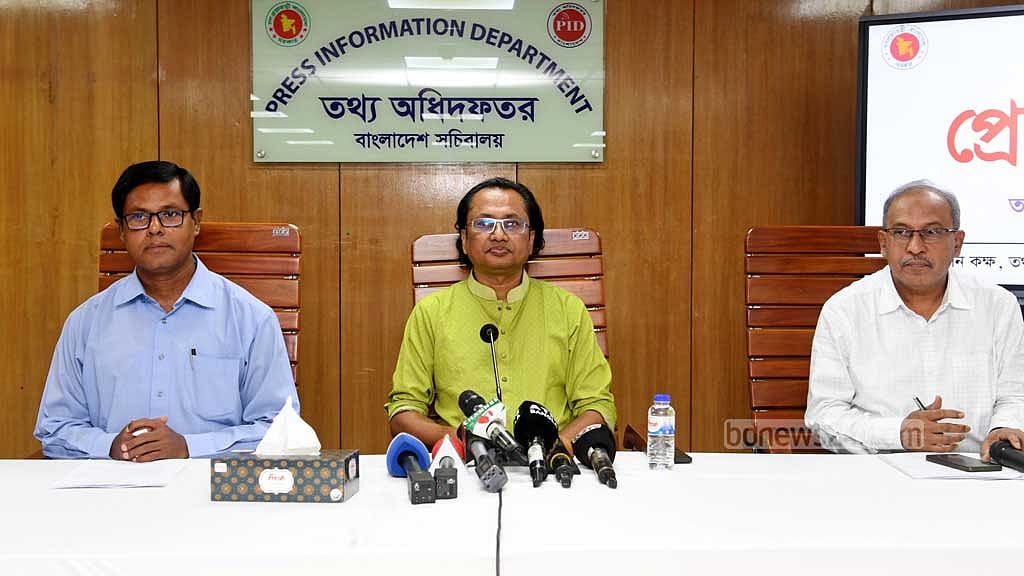
Speaking at the Secretariat on Tuesday, Zahed said crude oil prices may dip occasionally but the global market remains highly volatile, with prices still above $100 a barrel.
He said the ongoing crisis in the Red Sea and Bab el-Mandeb Strait, Houthi attacks, restrictions on Saudi Arabia’s oil exports and drone strikes on Russian oil refineries and facilities amid the Russia-Ukraine war pose a serious risk of a worsening global energy crisis.
Subsidy Burden
Zahed said the Bangladesh Petroleum Corporation (BPC) was losing around Tk 89 a litre on diesel, resulting in daily losses of about Tk 1.09 billion and more than Tk 400 billion a year from diesel alone.
Even after the Tk 20-a-litre increase, the government still has to provide a substantial subsidy.
The latest adjustment, however, could cut annual losses by around Tk 100 billion, the advisor noted.
The budget for the fiscal year allocated Tk 480 billion in subsidies for the gas and electricity sectors, half of which had been spent within the first two and a half months, Zahed said.
According to him, uncontrolled subsidies across oil, power, and gas could push total energy sector liabilities to Tk 1.25-1.5 trillion by year-end, curbing spending on social safety nets, education, and health.
On transport sector impacts, he explained that diesel accounts for the lion's share of domestic consumption and subsidies, making loss control on diesel the primary objective.
Zahed said the government understands the hardship caused by higher fuel prices and their impact on transport.
“Despite the upcoming local government elections, this decision was taken out of necessity, keeping the country’s economic stability in mind rather than political interests.”
The government will continue efforts to ensure reasonable transport fares and provide food assistance through the Open Market Sale (OMS) programme, the advisor said.
It also plans to expand the Family Card programme from October to protect the most marginal people, he added.