Published : 22 Sep 2026, 02:14 AM
Updated : 22 Sep 2026, 02:20 AM


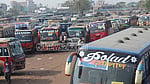
A Tk 20 rise at the fuel pump is already travelling through the economy -- from vegetable trucks and long-distance buses to port transport and the daily budgets of low-income families.
Within hours of the new prices taking effect on Monday, traders were reporting sharply higher freight charges, transport operators were preparing to raise fares and consumers were bracing for another round of increases in food and everyday costs.
The government raised the prices of all four major petroleum products by Tk 20 a litre from Monday midnight.
Diesel now costs Tk 135 a litre, kerosene Tk 155, octane Tk 165 and petrol Tk 160.
The latest increase is the third rise in fuel prices this year, following earlier adjustments in April and June.
In April, diesel had gone up from Tk 100 to Tk 115 a litre, octane from Tk 120 to Tk 140, petrol from Tk 116 to Tk 135 and kerosene from Tk 112 to Tk 130.
The latest increase has produced an almost immediate response in the transport market.
Vegetables First in Line
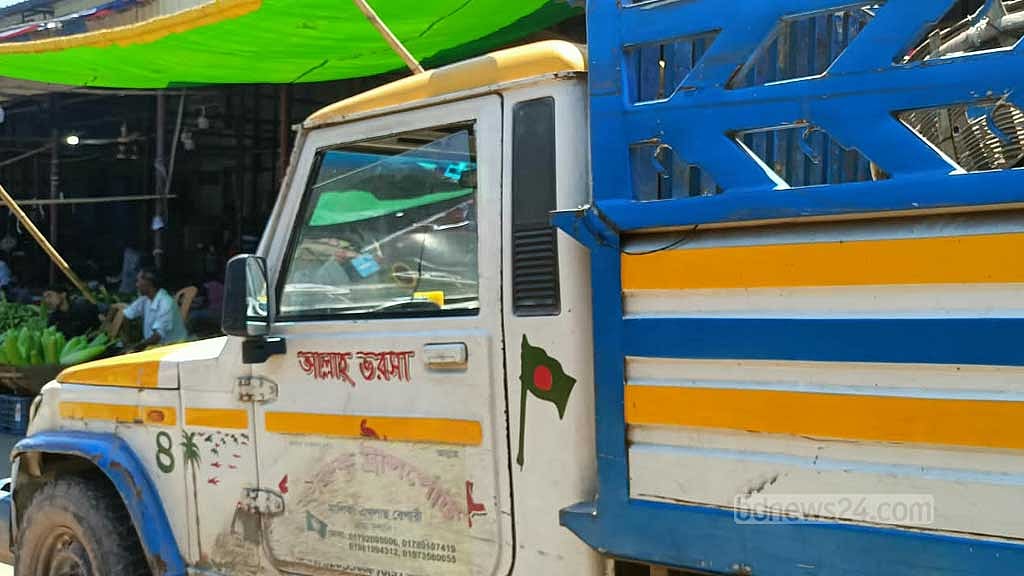
At Sadeq Khan Agricultural Market in Mohammadpur’s Rayerbazar, wholesaler Md Idris Fakir brings vegetables to Dhaka from Panchagarh in the north and Khulna in the southwest.
By 9:30am on Monday, he was already calculating what the new diesel price would mean for his customers.
His transport costs had risen by as much as Tk 4,000 for a single truck.
“Tk 4,000 extra. Won’t that extra Tk 4,000 end up on the goods?” Idris told bdnews24.com.
“On Saturday night, I hired a truck from Panchagarh to Dhaka for Tk 26,500. Today, I hired one for Tk 30,500.
“A truck from Khulna cost me Tk 14,500. Today it is Tk 17,500, which is Tk 3,000 more. That extra money will be added to the price of the goods.
“So prices will automatically go up. Vegetable prices will start rising from tomorrow.”
Wholesale trader Md Saju Rahman, who buys vegetables in Manikganj and brings them to the same market, told a similar story.
A vehicle that had cost him Tk 2,600 now costs Tk 3,500.
“I brought goods this morning for Tk 3,500, so I paid Tk 900 more,” he said.
“I am not going to pay that out of my own pocket. I will have to recover it from the customer. Prices could go up by Tk 10 a kg.
“And the retailers who buy from us will sell at an even higher price. Then, when they ask customers for more money, there will be arguments.”
Drivers Caught in the Middle
For pickup driver Amir Biswas, the increase has already created another problem. Arguments between drivers, vehicle owners and traders over who should absorb the extra cost are rife.
Amir carries goods every day from Singair in Manikganj to different markets in Dhaka.
“Fuel prices went up only recently, and suddenly they have gone up again,” he said.
“Fares are rising. But whenever you ask anyone to pay more, they do not want to.”
His vehicle uses between 20 and 25 litres of fuel a day.
The regular fare for his Singair-Dhaka trip had been Tk 2,000. On Monday, his vehicle owner called and told him to charge Tk 2,500.
“The trader got angry with me in the morning,” Amir said.
“I told him ‘Don’t argue with me, talk to the owner.’ Our costs have gone up because fuel prices have risen.”
The shock is being felt even by people who do not use motor fuel directly.
At lunchtime in Dhaka’s Mohakhali, pedal-rickshaw driver Mokbul Mia was waiting for passengers on a street corner.
He has been pulling rickshaws for 20 years. Originally from Mymensingh, he lives with his wife in a small home near the Sat Tala Mosque area, paying Tk 3,500 a month in rent.
Previous fuel price rises had pushed up his household expenses. He fears the same chain reaction again.
“You need Tk 40 or Tk 45 just for vegetables. Even coarse rice costs Tk 65,” Mokbul said.
“I earn Tk 300 to Tk 400 all day, and I have to pay Tk 150 for the rickshaw.
“What am I going to buy from the market? How will I buy medicine? What am I supposed to do? Only God knows.”
Bus Fares Next
Passengers could soon face higher transport costs as well.
The Bangladesh Road Transport Authority (BRTA) has proposed raising fares by Tk 0.20 per kilometre for intercity buses and Tk 0.18 per kilometre for city services following the diesel price increase.
A government decision was expected later on Monday or on Tuesday morning.
ASM Ahmed Khokon, general secretary at the headquarters of the Bangladesh Road Transport Owners Association, said operators were waiting for the government.
“We will increase fares according to whatever decision the government makes,” he said.
The arithmetic for long-distance operators, Khokon said, was straightforward.
“Because of the diesel price increase, operating a bus on the Dhaka-Sylhet or Dhaka-Chattogram routes costs Tk 4,000 more from today. It’s just for fuel.
“The price has risen to Tk 20 a litre. A bus that needs 200 litres of diesel now costs Tk 4,000 more to run.”
Passengers were already reporting attempts to collect higher fares on some city buses.
Md Nayan, an NGO worker who commutes daily from Dhaka Udyan to Banglamotor, said his usual fare from Shyamoli was Tk 15.
“This morning, a Labbaik bus asked for Tk 20,” he said.
“Some passengers were paying it, others were refusing. There were arguments between passengers and the helpers.”
Benapole Feels the Squeeze
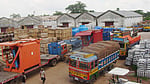
The price shock has also reached Bangladesh’s main land port with India.
Transport owners and workers at Benapole said truck fares had increased by between Tk 5,000 and Tk 8,000 depending on the destination.
Matiar Rahman, president of the Benapole Land Port Importers and Exporters Association, said the increase was immediate.
“As soon as fuel prices went up, truck owners raised their fares by Tk 5,000 to Tk 6,000,” he said.
“That has put businesses in a very difficult position.”
Any sustained rise in freight charges would add another layer of cost for businesses moving imported and exported goods through the port.
‘Global Pressure’
The government did not initially provide a detailed public explanation alongside the announcement of the Tk 20 increase.
But the energy ministry subsequently said rising international oil prices and transport costs associated with the conflict in West Asia had put pressure on Bangladesh’s fuel bill.
Commerce Minister Khondaker Abdul Muktadir also pointed to international energy costs during a meeting on the market situation at the Secretariat on Monday.
“When fuel prices rise on the international market, the country also has to bear the economic pressure,” the commerce minister said.
“If the government absorbs part of that pressure instead of passing the whole burden on to consumers at once, it ultimately falls on state finances. That is why efficient and economical use of fuel is extremely important.”
Muktadir added that the government would review elements of the existing tax structure in an effort to keep essential commodity prices within reasonable levels.
Officials would also regularly monitor locally produced goods as well as imports for which letters of credit had already been opened or shipments were under way, he said.
International oil markets, however, were moving in the opposite direction on Monday.
Brent and US West Texas Intermediate crude fell to their lowest levels in 11 days as investors hoped for diplomatic progress in the Iran conflict and watched a partial recovery in Saudi oil shipments.
That short-term fall does not by itself erase the broader rise in energy costs that it has faced in recent months.
But it has added fuel to demands from critics for the government to reconsider the domestic increase.
Calls for Rollback
Political and passenger-rights groups have called for the new prices to be withdrawn, arguing that households are already struggling with inflation, utility shortages and high living costs.
Bazlur Rashid Firoz, general secretary of the central committee of the Socialist Party of Bangladesh (BaSaD) said in a statement that successive fuel-price increases would hit agriculture and public transport particularly hard.
He said the rise in diesel to Tk 135 a litre would directly increase irrigation and production costs for farmers.
Firoz also criticised the higher prices of petrol, octane and kerosene, arguing that the burden would fall disproportionately on middle- and low-income households.
With consumers already facing pressure from shortages of gas, electricity and water and from high inflation, the politician described further price increases and taxation as equivalent to “picking the pockets” of ordinary people.
He called for the increase to be withdrawn immediately.
The Bangladesh Jatri Kalyan Samity, a passenger welfare organisation, made a similar demand.
In a statement on Monday, it pointed to the decline in world oil prices and said the domestic increase had come at a time of high commodity prices, inflation, energy shortages, and disruption to industrial production.
Higher fuel costs, it argued, would feed directly into passenger fares, goods transport, and factory production costs.
The organisation called the move “anti-people” and urged the government to reverse it.
For traders such as Idris Fakir, however, the immediate question is less political than practical.
The truck bringing his vegetables to Dhaka now costs thousands of taka more.
And, he says, that money has to come from somewhere.