Published : 29 Sep 2026, 05:16 PM
Updated : 29 Sep 2026, 05:16 PM


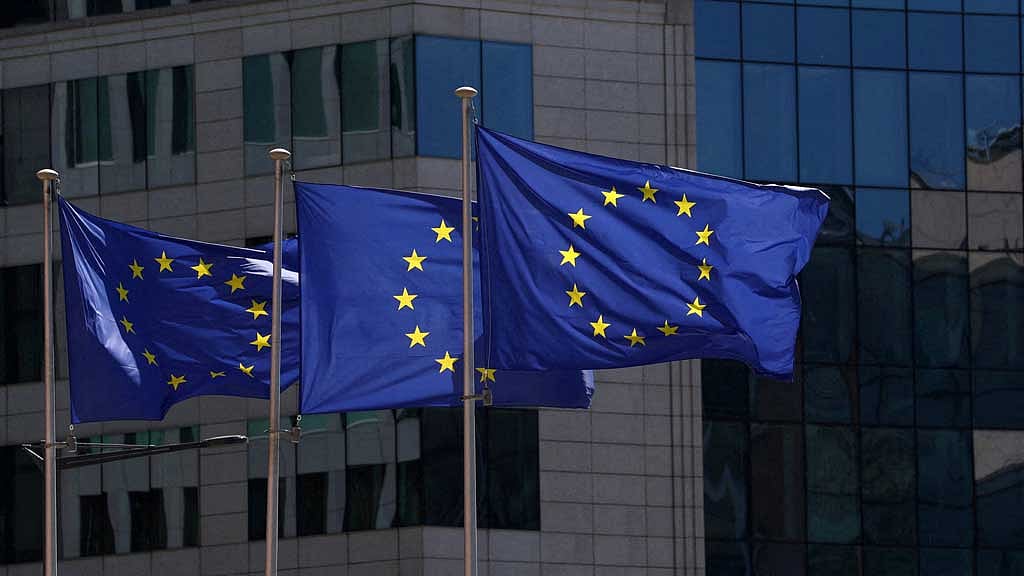
The European Commission is considering a postponement of the EU's methane emissions rules for oil and gas imports, responding to calls from the French, US and other governments that fear they could undermine energy security.
WHAT IS THE EU LAW?
The world's first law targeting methane emissions from imported fossil fuels is due to take effect in January 2027, requiring foreign oil and gas producers that supply the EU to monitor and report their methane emissions.
Companies that fail to comply could face fines of up to 20 percent of their annual turnover.
The law was due to impose a methane emissions limit on oil and gas imports from 2030.
WHAT IS METHANE?
Methane is a potent greenhouse gas and the second-biggest cause of climate change behind carbon dioxide (CO2).
It has higher heat-trapping potential than CO2 but breaks down in the atmosphere faster, meaning that cutting methane emissions would be one of the most effective methods of slowing global warming.
China, the United States and India are the world's top three emitters of methane, but from different sources.
China's emissions are driven by coal mining, while the oil and gas industry is the biggest US source. For India, livestock and rice farming are the major methane sources.
In the oil and gas industry, methane leaks into the atmosphere from oil wells and leaky gas pipelines.
Countries including Canada, Norway and Nigeria have laws to reduce these leaks from domestic fuel production.
WHY IS THE EU DELAYING THE RULES?
The European Commission's move to postpone the law came after French President Emmanuel Macron requested a one-year delay, arguing that the rules could create legal risks for importers as energy supplies tighten.
EU methane policy has faced mounting pushback from the oil and gas industry and governments as the US-Israeli war against Iran has disrupted global oil and gas supplies this year.
More than a dozen EU members, including Germany, Europe's biggest gas market, asked in June for the rules to be delayed or suspended over concerns they could squeeze already tight fuel supplies. Some, including Italy and the Czech Republic, want a three-year delay.
Brussels said in July that countries should waive fines for companies that breach the rules, but that failed to quell the mounting political pushback.
The United States, Europe's biggest liquefied natural gas supplier, had warned in June that the methane law could disrupt fuel supplies to the EU, a stance shared by companies including oil major ExxonMobil.
Those seeking a delay say that companies are not ready to comply with the EU rules and would avoid sending LNG cargoes to Europe because of the risk of fines or legal issues.
IS ENERGY SECURITY AT RISK?
Those seeking a delay say it would give importers time to comply and avoid adding to pressure on Europe's energy supplies during the West Asia conflict.
Italian utility Edison has said that it expects to receive no liquefied natural gas (LNG) cargoes from QatarEnergy until December 2026 because of the Iran war.
EU gas stocks are significantly lower than usual for the time of year because of high prices linked to the closure of the Strait of Hormuz, through which 20 percent of the world's oil and LNG used to pass.
WHAT WOULD A DELAY MEAN FOR INDUSTRY?
Pushing the start date to January 2028 would let importers sign deals for gas deliveries this winter and beyond without the threat of breaching the methane rules. It would also buy time for companies to have verification bodies check their emissions to comply with the law.
Some EU officials told Reuters it had been difficult to assess whether the law is affecting oil and gas contracts because details of these deals are not publicly available.
A Wood Mackenzie study backed by the oil and gas industry and published in March said that nearly half of the EU's gas imports could struggle to comply.
Research released in June by Rystad for the Environmental Defense Fund, a US-based environmental advocacy group, said there were ample volumes of gas that would meet the EU's methane monitoring requirements, though companies would still need to have their compliance verified.
WHAT HAPPENS NEXT?
The European Commission has not confirmed when it will propose changes to the law, but some officials said it could be as early as this week.
The changes must be negotiated and approved by EU countries and the European Parliament before they take effect.