Published : 20 Jun 2013, 03:45 AM
Updated : 09 Aug 2022, 10:49 AM


"The import duty hike by Bangladesh has left us with no option but to stop exports to the neighbouring country. Bangladesh was the best market for our mangoes and now we have all but lost it," said Ujjawal Saha, joint secretary of West Bengal Exporters Coordination Committee.
He said the import hike has left mangoes from Maldah and Murshidabad "out-priced" and "non-competitive" in Bangladesh.
"Our mango exports to Bangladesh have stopped totally this season," Saha said, urging the Bangladesh government to bring down the import duty to "manageable limits" if not fully waive it.
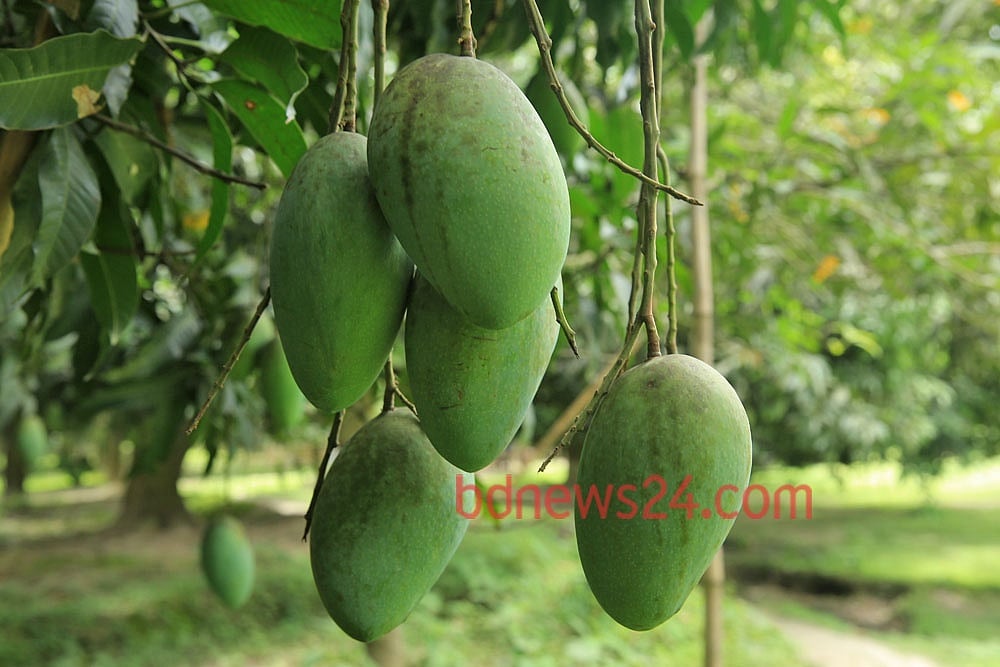
Maldah-Murshidabad region has produced a bumper mango crop this season -- more than 350,000 metric tonnes
But the loss of the Bangladesh market had brought down prices sharply with mangoes of the best variety of ‘Fazli’ now available at 10 to 12 Indian rupees a kilogram.
"Most growers have stopped plucking mangoes from trees to avoid labour costs because they cannot recover it by selling at such low prices," said Abir Ali, a mango grower at Shamsi.
He said the situation can change if Bangladesh lowers the import duty and buyers from there come over to pick up large consignments.
The government is asking mango growers to be patient as new markets are emerging in the Indian states.
"Demand for Maldah mangoes are rising in neighbouring Bihar, Odisha, Jhargram and even in northern states," says district horticulture officer PR Sannigrahi.
He said buyers from these states are turning up in Maldah to check on bulk prices.
But growers are despondent over the loss of Bangladesh market and not too sure alternatives will emerge in India soon enough.
India's former investment board official Dipten Basu says a long term solution is possible.
He says some Bangladesh company like PRAN should be encouraged to set up a mango juice processing unit in Maldah.
"That will then ensure good prices for the mango growers for all times to come," Basu told bdnews24.com.
Pran is setting up a large fruit processing unit in Tripura which is famous for its pineapples and oranges.
"They can set up one for mango and litchi in Maldah or Murshidabad. These districts hardly have any industry and incentives are available," Basu said.
Much as Pran is seeking to market its products in northeast India from its unit in Tripura, it will have a much bigger Indian market to cater from any unit in Bengal, he said.