Published : 12 Feb 2021, 09:25 AM
Updated : 08 Apr 2022, 12:46 PM


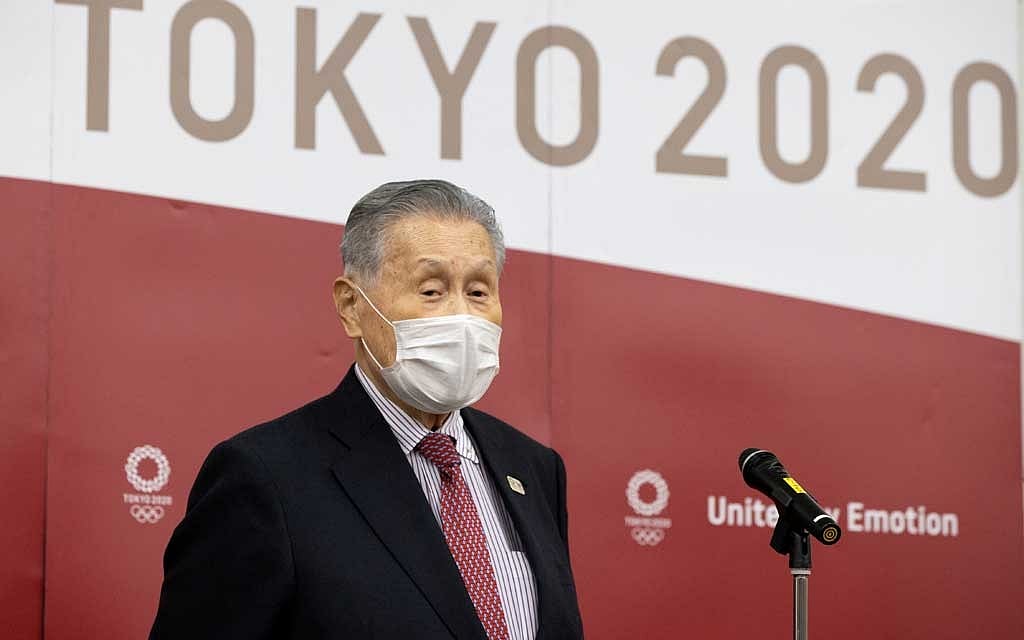
His resignation would follow unrelenting international criticism of his sexist remarks, which presented another challenge to Japan’s efforts to carry off the postponed Games amid a raging pandemic.
Mori has not given any official indication that he will leave, and both the International Olympic Committee and the Tokyo organizing committee declined to comment on Japanese news media reports that he would step down.
Mori, who is 83 and a former prime minister of Japan, had made the controversial remarks after an executive meeting Feb 3 of the Japanese Olympic Committee. During the session, which was streamed online, he addressed efforts to increase female representation on the panel by expressing worries that meetings would drag on as women vied against each other to speak the longest.
A backlash swiftly followed, and Mori apologised the next day at a news conference. He said he expected to remain in his post but said he would resign if he was deemed “an obstacle.”
Although some high-ranking political leaders in Japan, including Prime Minister Yoshihide Suga, expressed disappointment in Mori’s remarks, none of them called on him to resign. But in the days that followed, pressure built on Mori as criticism of his comments remained undiminished.
A poll showed that nearly 60% of Japanese believed he was no longer qualified to lead. Some Olympic sponsors expressed concern about their continued involvement in the Games, according to Japanese media reports, and the president of Toyota called Mori’s comments “truly regrettable.” Female lawmakers in opposition political parties wore suffragist white to Parliament on Wednesday to protest his remarks.
Mori’s fate had seemed to turn Tuesday evening, when the IOC, which had previously called the issue “closed” after his apology, called his remarks “absolutely inappropriate.”
Saburo Kawabuchi, 84, a former president of the governing body for Japanese soccer and reportedly the leading candidate to take Mori’s place, was asked about the prospect by reporters Thursday.
“It is an honour. I’d like to accept and offer my assistance so that Mr Mori’s efforts will not come to waste,” he said, adding, “if I happen to be appointed.”
Mori’s resignation would come a little over five months before the Games are scheduled to open July 23. Even without the uproar and the headache of appointing a successor, the organising committee has been scrambling to convince a sceptical Japanese public that it could safely proceed with the Games as the pandemic continues unabated. Vaccinations are not scheduled to begin in Japan until later this month.
Last week, organisers released the first of several so-called playbooks to guide athletes, officials and members of the news media on the rules they must follow to protect participants from the virus at the Games.
Some prominent people have opposed the move to push Mori out, saying that it would imperil the Olympics altogether.
“If Mr Mori steps down, the Tokyo Games will be cancelled,” Yoichi Masuzoe, a former governor of Tokyo, said in an interview with Sports Hochi, a daily sports newspaper. “It shows how big his contribution is.” He added: “If he steps down now, the situation will get more confused.”
Those who had called for Mori’s resignation from the organizing committee said it would be a small victory for women’s rights. Kanae Doi, director of Human Rights Watch in Japan, said she hoped that activists could build on the moment and introduce better monitoring of sexual harassment and abuse in sports, as well as more gender parity in general.
“The real challenge is whether Japanese people can make a legacy out of this huge scandal,” Doi said. “Unless we are successful in reforming this country, and in particular the sports community, I think we cannot say it was a success.”
c.2021 The New York Times Company