Published : 15 Sep 2018, 09:12 AM
Updated : 19 Oct 2022, 02:19 PM


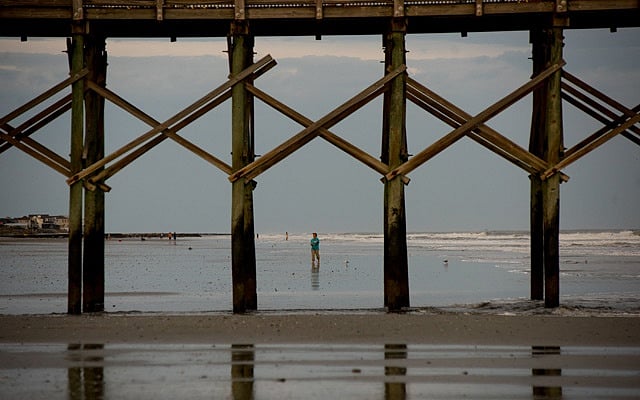
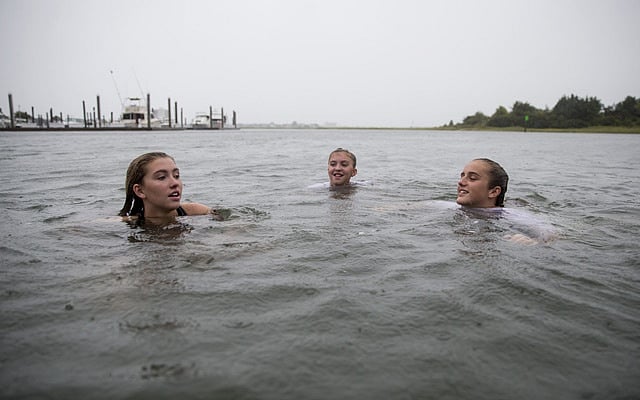
The storm, whose destructive power was unlike any the area has seen in a generation, had already caused at least five fatalities as of Friday afternoon, and rescue crews across a wide region were attempting to pluck distressed residents from rooftops. The victims included a mother and her infant in Wilmington, North Carolina, who were killed when a tree fell on their house, the police department said.
Downed trees also delayed crews responding to a 911 call from the home of a woman who died of a heart attack Friday morning in Hampstead, an unincorporated area of Pender County, North Carolina, officials said. Another two people, both in their 70s, were killed in Lenoir County, one while trying to connect two extension cords outside in the rain, and the other when he went outside to check on his hunting dogs and was blown down by wind, authorities said.
Rescue teams had to suspend some operations because of powerful winds in South Carolina’s Horry County, which includes the coastal cities of Myrtle Beach and North Myrtle Beach.
Winds of up to 90 mph downed majestic trees, tore statues from their moorings and knocked out power for 650,000 people in towns along North Carolina’s coast on Friday.
But state officials and federal weather authorities warned that the next few days, with an expected rainfall of up to 40 inches, hold new and serious hazards from the storm.
With many roads impassable, Gov. Roy Cooper of North Carolina urged people not to return home and emphasised that there were many days of rain in the forecast.
President Donald Trump is expected to visit areas affected by the storm next week, once it is determined that his travel will not disrupt any rescue or recovery efforts, according to White House spokeswoman Sarah Sanders.
Officials said it was too early to gauge the hurricane’s cost, but one expert, Gregory Daco at Oxford Economics, estimated the infrastructure damage at $30 billion to $40 billion, which would make Florence one of the 10 costliest hurricanes in US history.
© 2018 New York Times News Service