


Published : 08 Feb 2021, 01:05 PM
Updated : 14 Oct 2022, 06:28 PM


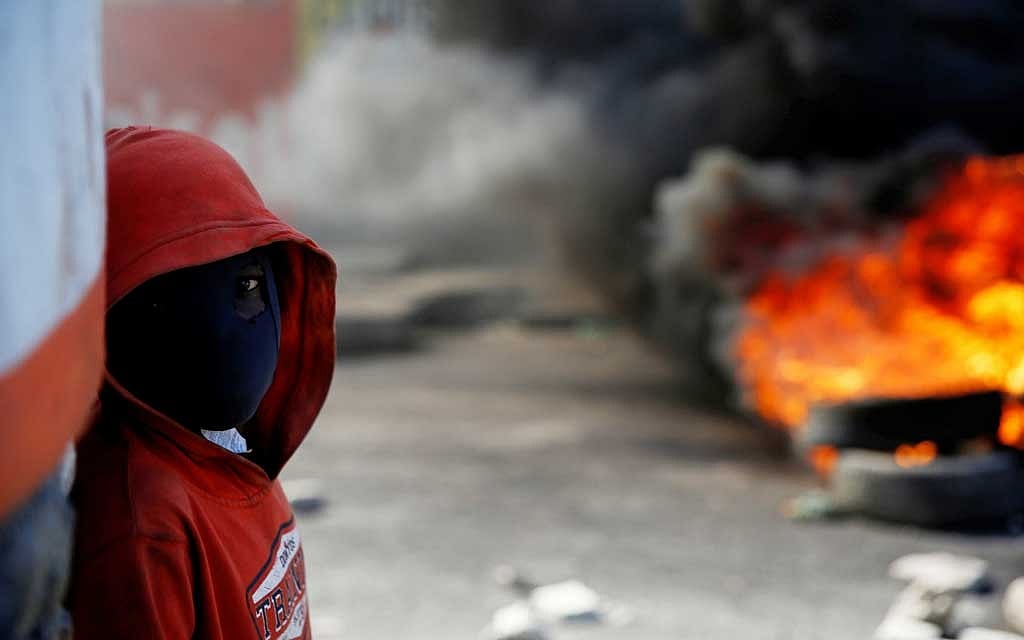
Many schools shut their doors this month — not over COVID-19, but to protect students and teachers against a kidnapping-for-ransom epidemic that began haunting the nation a year ago. No one is spared: not nuns, priests or the children of struggling street vendors. Students now organize fundraisers to collect ransoms to free classmates.
Their hardship may only worsen as Haiti hurtles toward a constitutional crisis.
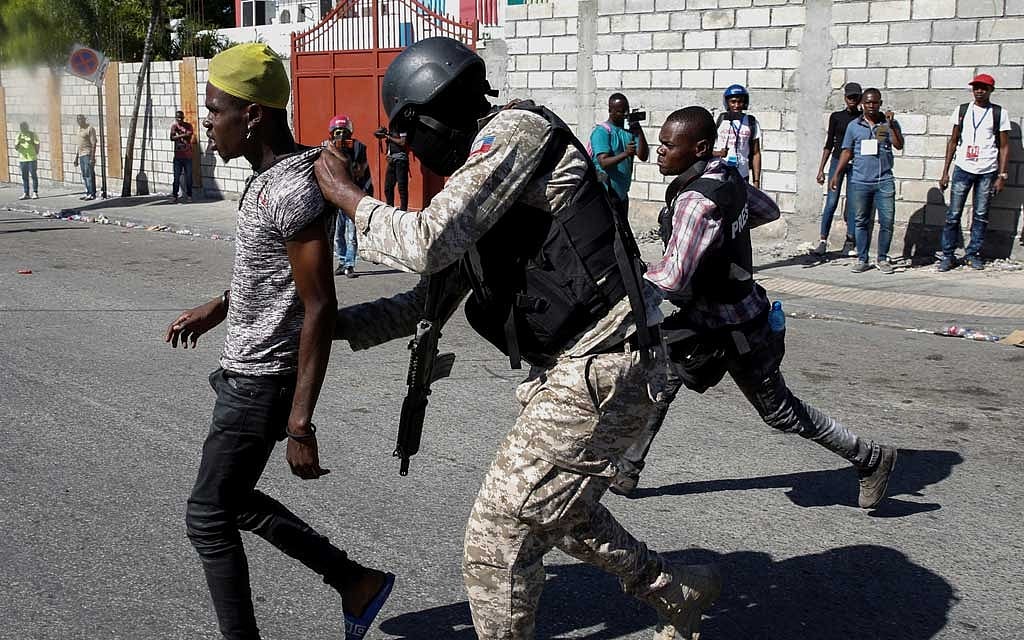
Police detain a man during protests against Haiti's President Jovenel Moise, in Port-au-Prince, Haiti Feb 7, 2021. REUTERS
In a defiant, hourlong speech Sunday, Moïse heaped scorn on his detractors.
“I am not a dictator,” Moïse said. “My term ends Feb. 7, 2022.”
As tensions mounted Sunday, the government announced the arrest of more than 20 people, claiming they had been involved in a plot to overthrow and kill the president. Those detained — on charges the opposition said were trumped up — included a Supreme Court judge and one of Haiti’s police general inspectors.
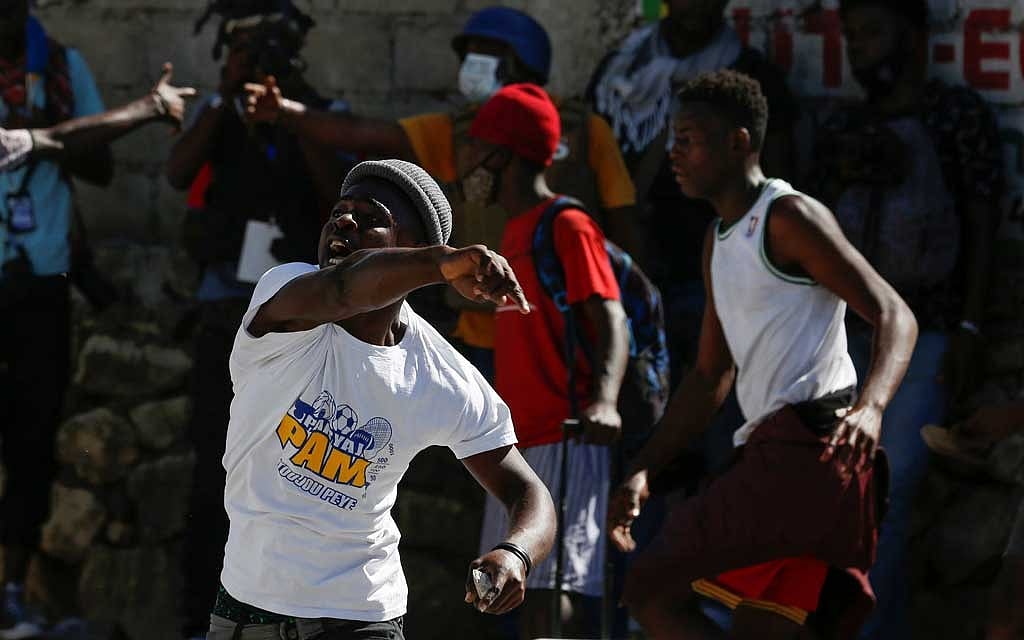
Demonstrators clash with police during protests against Haiti's President Jovenel Moise, in Port-au-Prince, Haiti Feb 7, 2021. REUTERS
Many fear the current political tensions will only worsen the country’s paralysis and poor governance. By Sunday afternoon, clashes erupted between protesters and the police in three different cities across the nation.
Haiti is “on the verge of explosion,” a collection of the country’s Episcopal bishops said in a statement late last month.
Over the weekend, Haiti’s judiciary branch sided with the opposition, a disparate grouping of activists, politicians and religious leaders, and ruled that Moïse’s term ended Sunday.
On Friday, the US government weighed in on Moïse’s side — an important perspective for many Haitians, who often look to their larger neighbour for guidance on the direction the political winds are blowing.
© 2021 New York Times News Service













