Published : 16 Nov 2026, 03:04 PM
Updated : 16 Nov 2026, 03:04 PM


A key hanging on a wall and an image of an olive tree have brought the pain of displacement and the hope of return into focus at the COP31 climate summit in Antalya, Turkiye.
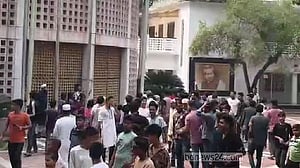
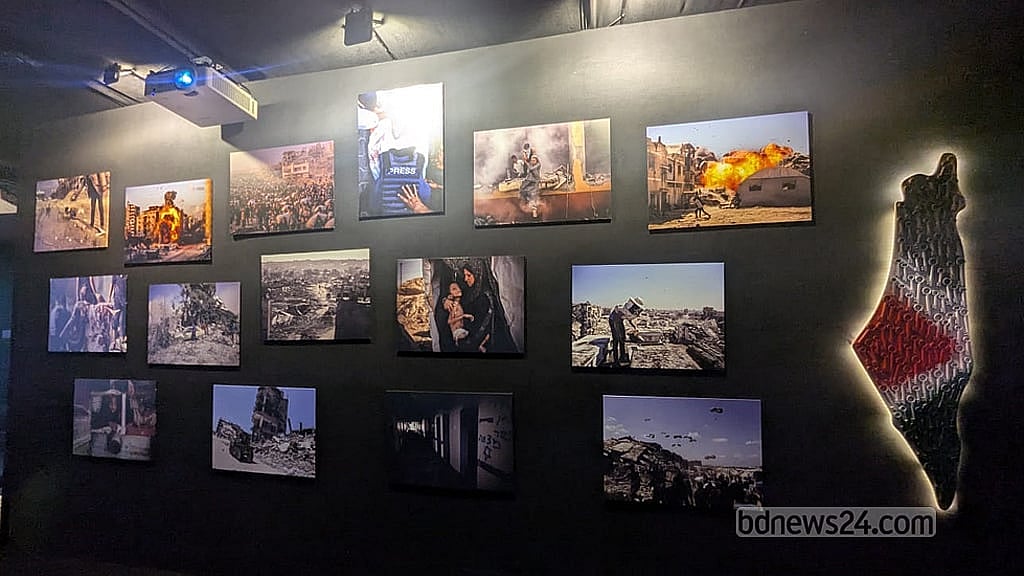
The exhibition at the Green Zone of Anfas Expo Centre uses the two symbols to tell the story of Palestinians who have lost their homes, land and roots amid the devastation in Gaza.
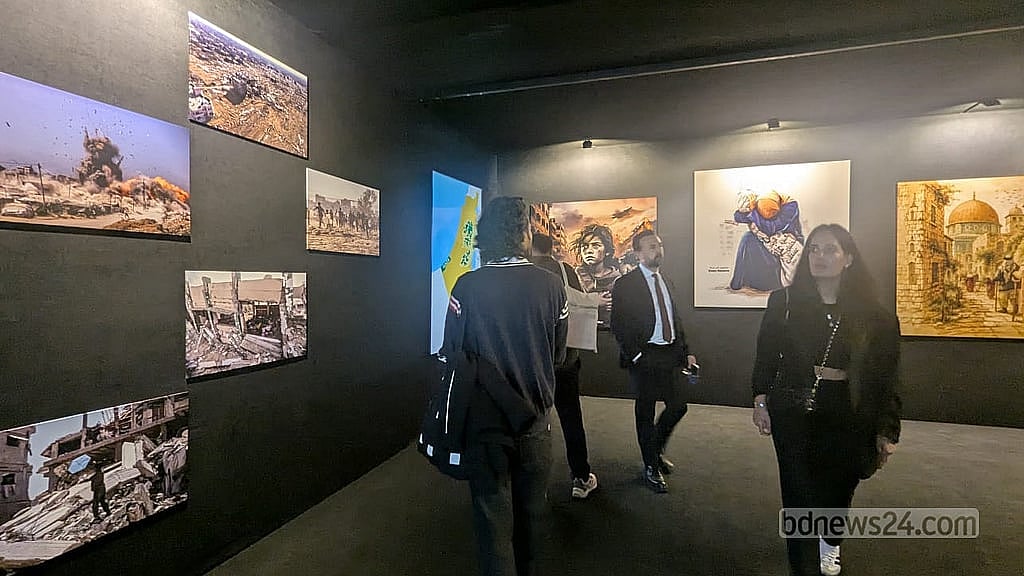
Titled “Hope of Return: Al-Awda – The Story of the Olive Tree”, it was organised by several Turkish professional organisations to show international delegates, journalists and climate activists the human and environmental toll of the war.
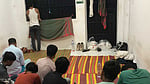
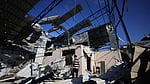
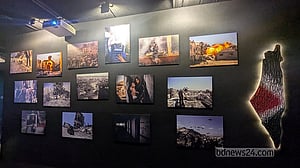
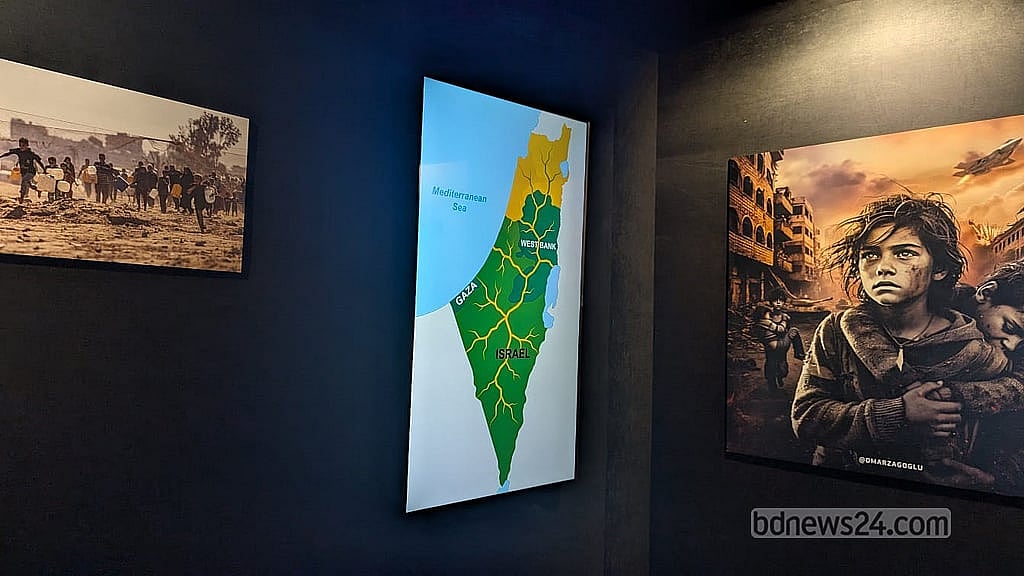
The display features photographs by Palestinian artists, large screens showing destruction in Gaza and belongings of children killed or injured in the war, including toys, torn books, sandals, broken bicycles, dolls and bloodstained clothes.
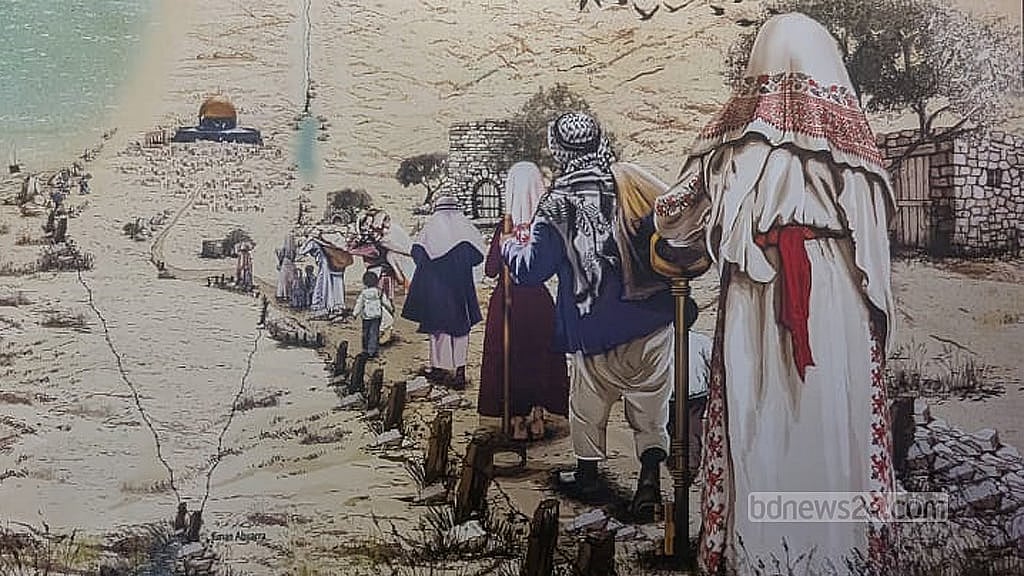
Visitors can also leave comments on a digital screen, where messages reflect decades of displacement and humanitarian suffering.
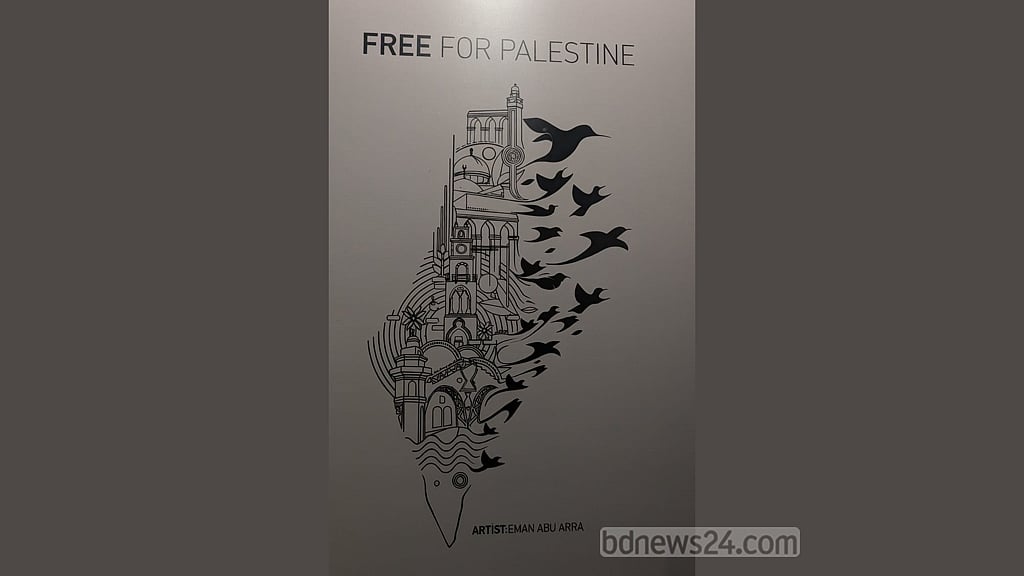
At the entrance, a key shaped like a map of Palestine hangs beside an image of an olive tree. The key represents lost homes and the hope of return, while the olive tree symbolises Palestinians' ties to their land, agriculture and memories passed down through generations.
Many Palestinians who fled their homes in 1948 took their keys with them, believing they would one day return.
Turkish volunteer Muammar Karama said families had preserved the keys as reminders of their homes and passed them down to younger generations.
Some of those families have since been displaced again or lost loved ones, he said.
Karama said Turkiye's state-run Anadolu Agency and several other organisations helped organise the exhibition, which features 63 photographs taken by the agency's photographers.
Another Turkish volunteer, Nursima Durmaz, said the exhibition was a small effort to show solidarity with Palestinians to delegates, journalists and environmental activists attending COP31.
"While the world talks about protecting the environment, people's lives, homes and nature are being destroyed in Gaza," she said.
Bangladeshi writer and researcher Amirul Rajiv said the destruction in Gaza extended far beyond buildings.
Citing his estimates, he said 81 percent of homes, educational institutions, historic sites and infrastructure had been destroyed, while around 2 million olive trees had been affected.
He also estimated that 61 million tonnes of rubble remained across Gaza and that only 3 percent of its water and municipal service systems were functioning.
Pavel Partha, a writer and researcher with Blue Zone, said climate action could not be separated from war, conflict, pollution and the arms trade.
He called for accountability for the destruction of both human lives and nature, arguing that military spending should instead support communities vulnerable to climate change.
“The river killed in Bangladesh and the olive tree burned in Gaza are connected wounds,” he said.