Published : 17 Dec 2022, 05:45 PM
Updated : 05 Feb 2023, 04:35 PM


Entertainment is one of the biggest distractions to the human mind. It allows people to lose sight of the world’s problems. Few sources of entertainment this year have been as dramatic and storied as the FIFA World Cup in Qatar.
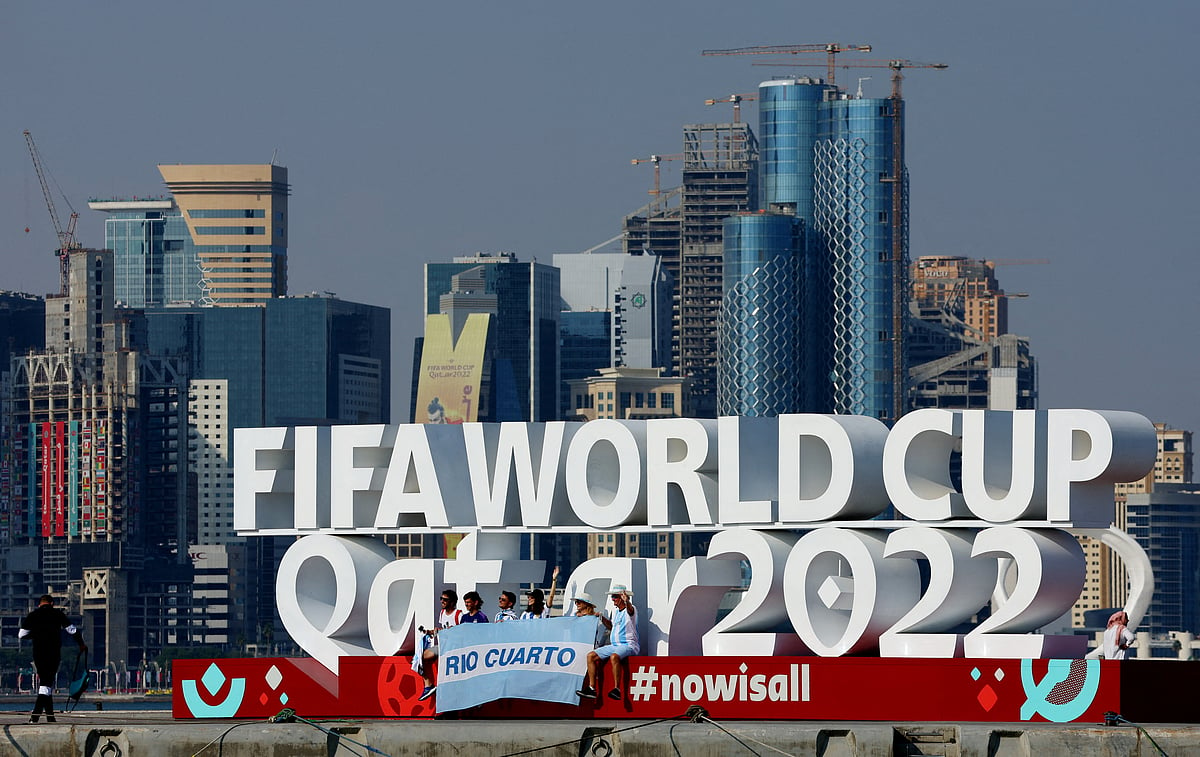
With its grand stadiums, groundbreaking technology, astounding amenities, and gracious national hospitality, this year’s World Cup hosts are proving a grand, elaborate stage for the tournament. But this beautiful atmosphere was not created without cost. Millions of eyes across the world will turn to the final on Sunday, and its dazzle will overshadow the devastating path that led up to it, one that sacrificed many lives along the way.
FIFA announced Qatar as the host of the 2022 World Cup in 2010. The decision was intensely controversial at the time. Three major issues stood out in particular – the massive strain on Qatar’s infrastructure-building capacity, labour conditions, and the country’s treatment of the LGBTQ community.
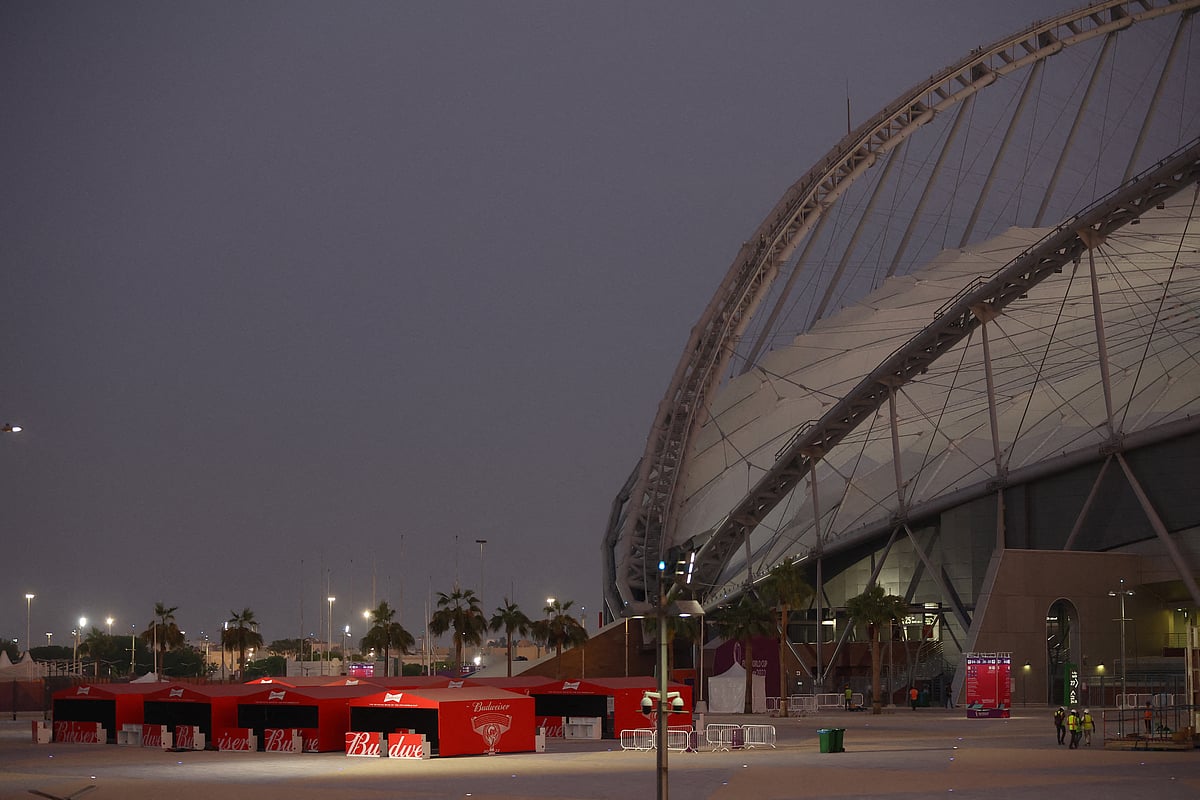
Qatar was the smallest nation ever picked to host and there were serious concerns about its logistical capacity, its ability to complete the necessary infrastructure projects, and its management of the event. These aspects were so apparent that FIFA, an organisation long mired in claims of corruption, saw fresh allegations of bribery for their choice of Qatar over bids by the US, South Korea, Japan, and Australia.
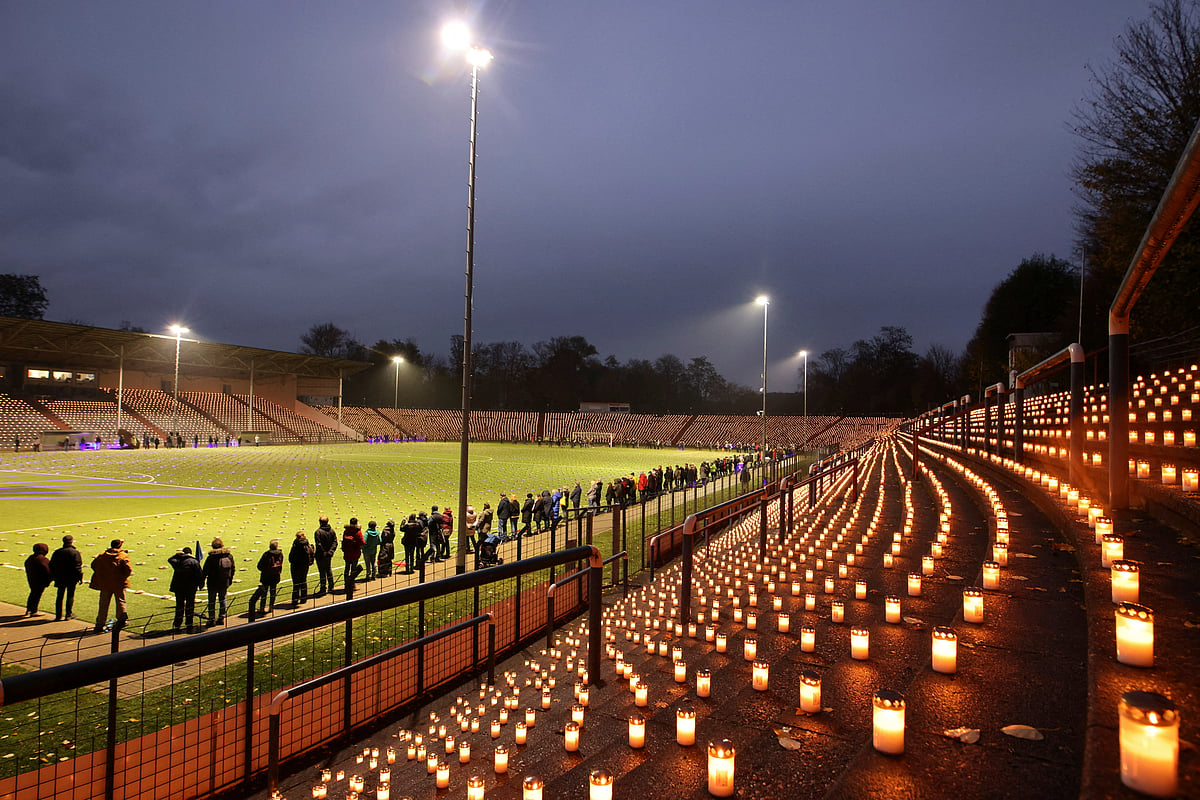
Developing such complex sporting infrastructure in such a short amount of time for millions of attendees required the nation’s authorities to take risks with numerous projects. The burden of these risks fell on a vulnerable population – migrant workers whose visas were conditional on their ability to provide cheap, ready labour for these projects. The demand for labour was so strong that currently, a majority of the people currently living in Qatar are migrant workers.
Workers’ rights are also human rights, and these include issues of workplace health and safety. According to the International Labour Organization, human rights, dignity, and worth of the human person are tied to social progress and better standards of life.
However, these issues were seriously neglected in Qatar in the lead-up to the World Cup.
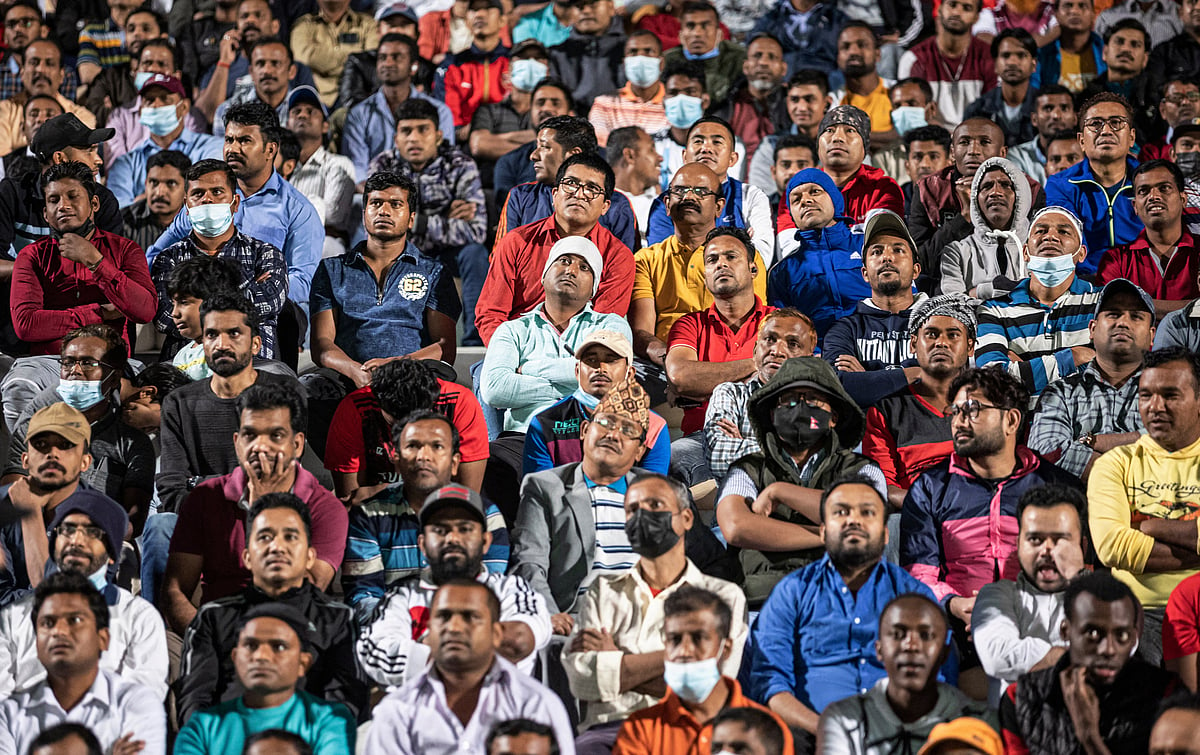
According to a 2021 investigation by The Guardian, more than 6,500 migrant workers from five south Asian countries (India, Pakistan, Nepal, Bangladesh, and Sri Lanka) had died since 2010 in Qatar. The casualties were mostly due to workplace accidents, car crashes, suicides, and extreme heat. The death toll could be significantly higher as the publication was unable to get data regarding other countries sending migrant workers (Philippines and Kenya) during the later years of the investigation.
Most of these workers lived and worked in poor conditions, had to pay large amounts in recruitment fees, and sometimes had their passports confiscated so they had to stay in Qatar until they fulfilled their contracts. While Qatar’s infrastructure developed with the building of a new airport, roads, public transport systems, hotels, and an entirely new city, the families of migrant workers struggled with limited compensation as they lost their primary breadwinners.
The major problem with using migrant labour to build mega projects is that contractors treat workers as disposable. The contractors’ focus is on meeting deadlines and reaching goals before the FIFA World Cup starts. Qatar did not launch any significant initiatives to address workplace safety concerns and they failed to prevent the deaths of workers. Statements of regret following such tragedies only seemed aimed at quelling public outcry instead of actually providing direct transparency about the main issues or taking steps to address them.
Qatar claims these failures have allowed the country and the rest of the world to create better international worker welfare standards, but the cost in human life has been too high.
The toll of the World Cup is also evident on the pitch. Qatar’s selection as host has thrown off the regular schedule of the event. The World Cup typically takes place in the summer months of June and July when football’s domestic leagues are on break. However, due to the extreme heat and high humidity in Qatar during that season, the event shifted to November and December, putting a pause on domestic football.
The schedule has strained the physicality of players, with numerous countries seeing long lists of injuries due to extended periods of strenuous activity. Major stars, such as Ballon d’Or winner Karim Benzema, Paul Pogba, N’Golo Kante, Giovani Lo Celso, and Joaquin Correa, will miss Sunday’s final while Angel Di Maria and Rodrigo De Paul are listed as uncertain. Even Argentine talisman Lionel Messi was struggling with a hamstring issue against Croatia.
Qatar’s selection for the World Cup also raised concerns regarding its treatment of the LGBTQ community. Acts of male homosexuality are punishable by up to three years in prison and any Muslims convicted in a sharia court can face capital punishment for homosexuality. There are no known cases of the implementation of the death penalty in such cases, but there have been unverified reports of extra-judicial murders of LGBT people in the country. Due to these issues, fans from the community have been hesitant to attend the event.
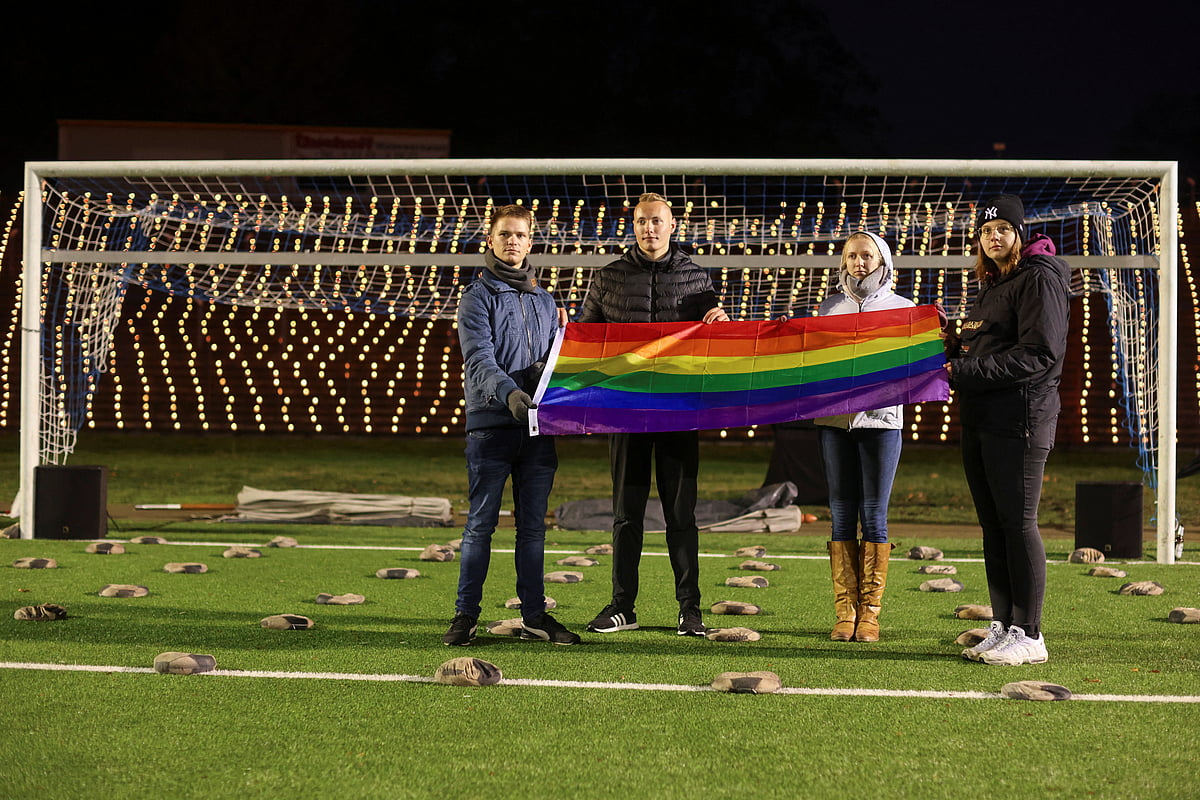
Questioned about the matter in 2010, FIFA President Sepp Blatter was initially dismissive, saying that gay football fans in Qatar "should refrain from any sexual activities". In the run-up to the tournament, the country set rules stating that visitors must comply with the country’s rules, which effectively criminalise homosexuality as well as sex outside of marriage. There have been concerns that LGBTQ people may face harassment by authorities and even imprisonment during the tournament.
On the field, the tournament has already been a success. An incredible opening ceremony kicked off proceedings, titans of international football clashed, and underdogs achieved sensational upsets. While there have been a fair number of refereeing controversies, the World Cup has also served to showcase some impressive technology. It has truly been one of the most memorable events in recent footballing history. But this considerable entertainment has been built on a backbone of corruption and terrible sacrifice that most fans continue to ignore and will possibly completely forget soon. Under these circumstances, we should consider the true cost of such massive sporting events and ask ourselves if the joy we get from such displays is worth the toll on human lives.
References:
“Revealed: 6,500 migrant workers have died in Qatar since World Cup awarded”. The Guardian. Feb 23, 2021.
International labour standards and human rights. The International Labour Organization
“Why Qatar is a controversial host for the World Cup”. NPR. Nov 18, 2022
This article is a preview of sports coverage at Stripe, bdnews24.com’s page for exciting, in-depth analysis of society and culture from a youth perspective. The page is set to launch soon.