


Published : 07 Feb 2019, 09:47 AM
Updated : 17 Oct 2022, 11:34 AM




The area of Mexico that illegally farms opium poppies grew by more than one-fifth last year, to an area the size of Philadelphia, according to a UN-backed study published in November.
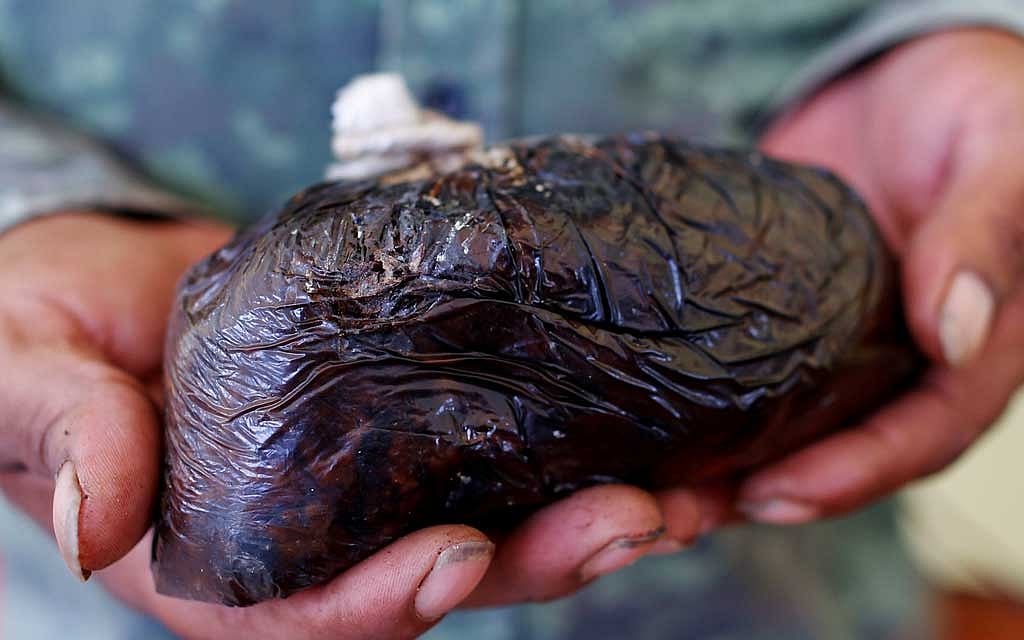
Sanchez holds opium paste
That, along with a trend toward mixing synthetic opiate fentanyl in Mexico's tarry black heroin, has slashed what criminal gangs pay farmers like Sanchez for a kilo of opium. Now, Sanchez earns about $260 per kilo, a fifth of the average price two years ago.
While Mexico's top drug traffickers still make billions of dollars supplying US addicts, at the bottom of the supply chain, the villagers are hardly surviving.
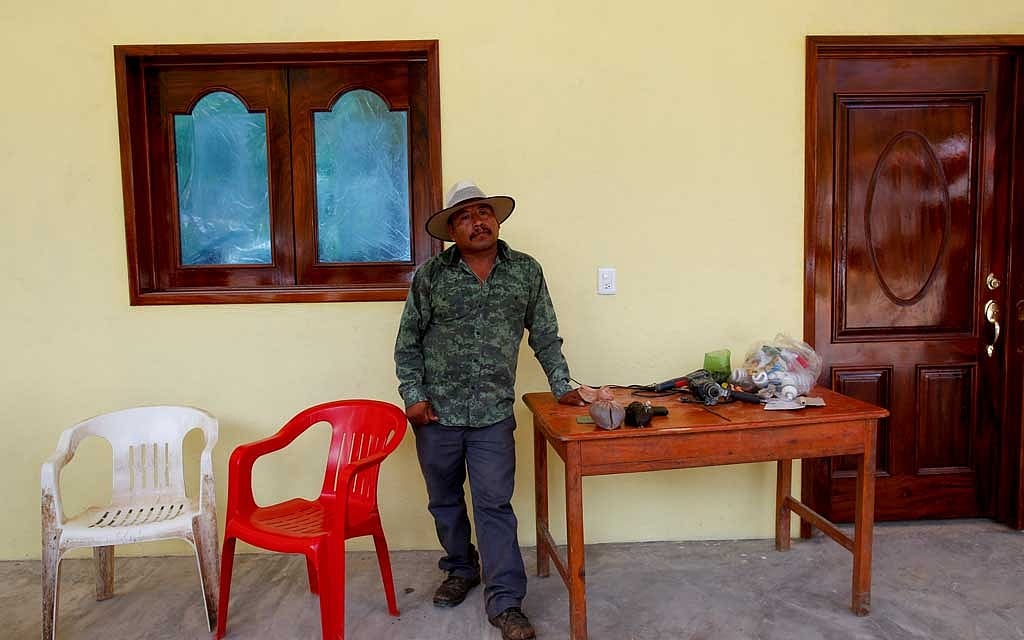
Sanchez stands next to opium paste
HEROIN TRADE
In the United States, overdose deaths from opioids have increased almost six-fold in the past two decades, according to the Centers for Disease Control and Prevention. More than 15,000 people died of heroin overdoses in 2017 alone.
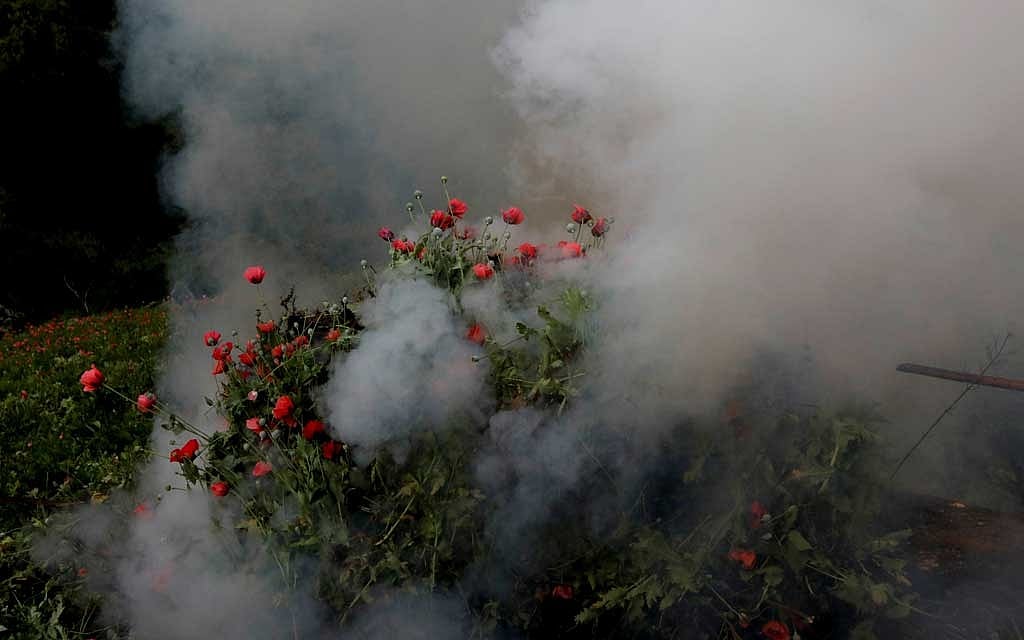
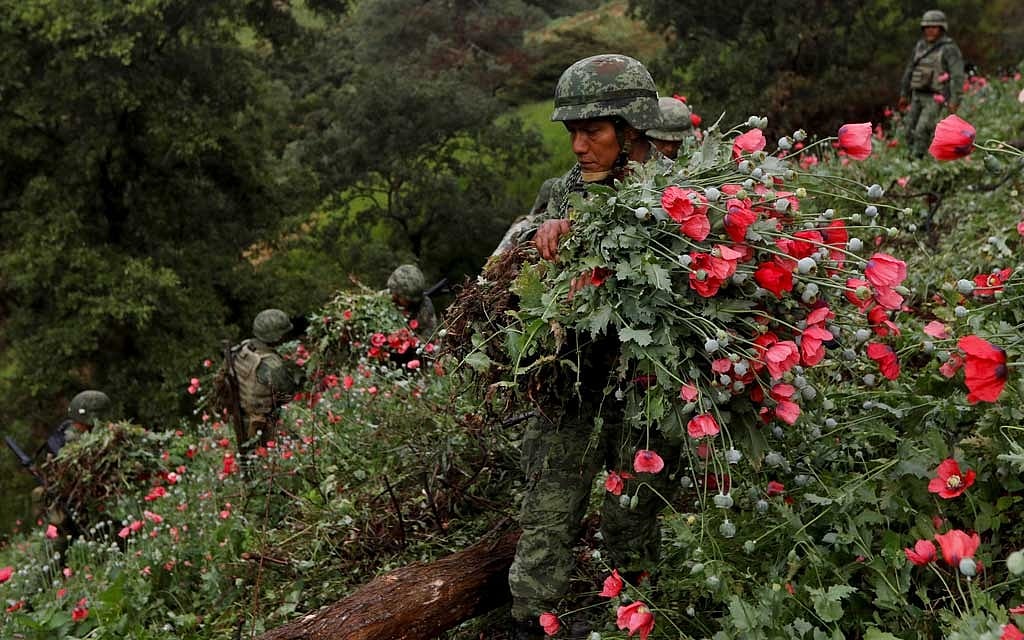
Soldiers burn an illegal opium plantation near Pueblo Viejo in the Sierra Madre del Sur.
The heart of illegal poppy cultivation is in the hills of Guerrero state, in some of the poorest mountain districts - such as Juquila Yucucani, some 800 miles south of the US-Mexican border. Guerrero is now among the country's bloodiest states.
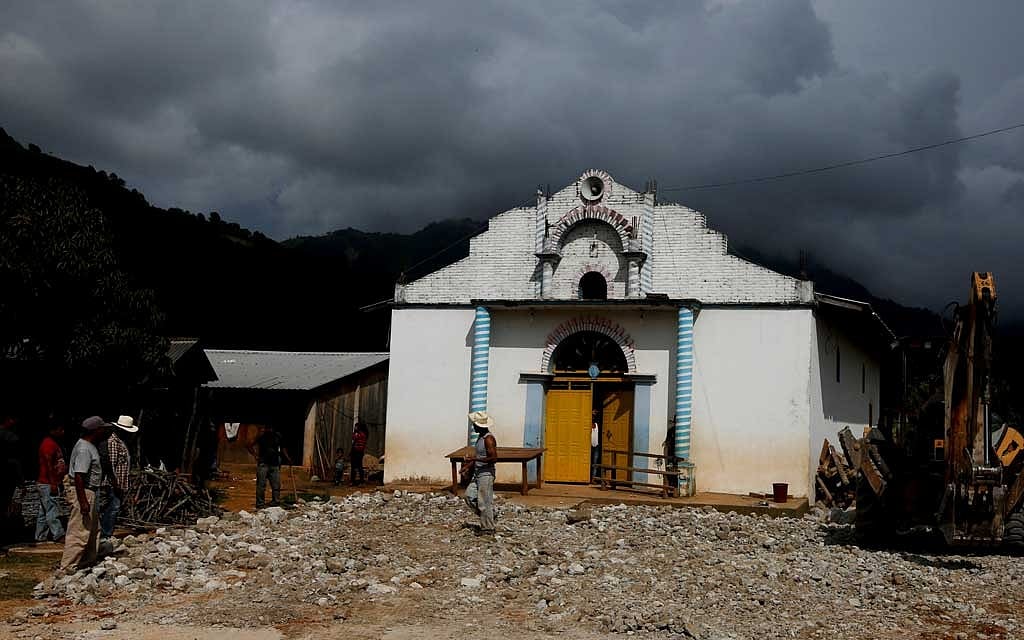
A man walks in front of a local church of Yucucani.
The government's focus will now be on meeting the needs of marginalised communities, Lopez Obrador said, as part of a broader strategy to curb an illegal drug trade that is thriving despite the capture of high-profile kingpins like Joaquin 'El Chapo' Guzman, who is on trial in New York for drug trafficking that spanned more than two decades.
Soldiers cut opium poppies as they destroy a field of illegal plantation in the Sierra Madre del Sur.
On a visit to Guerrero in January, Lopez Obrador pledged price supports for grains, including around $300 a tonne for corn, part of a strategy meant to give farmers alternatives to planting illicit crops.
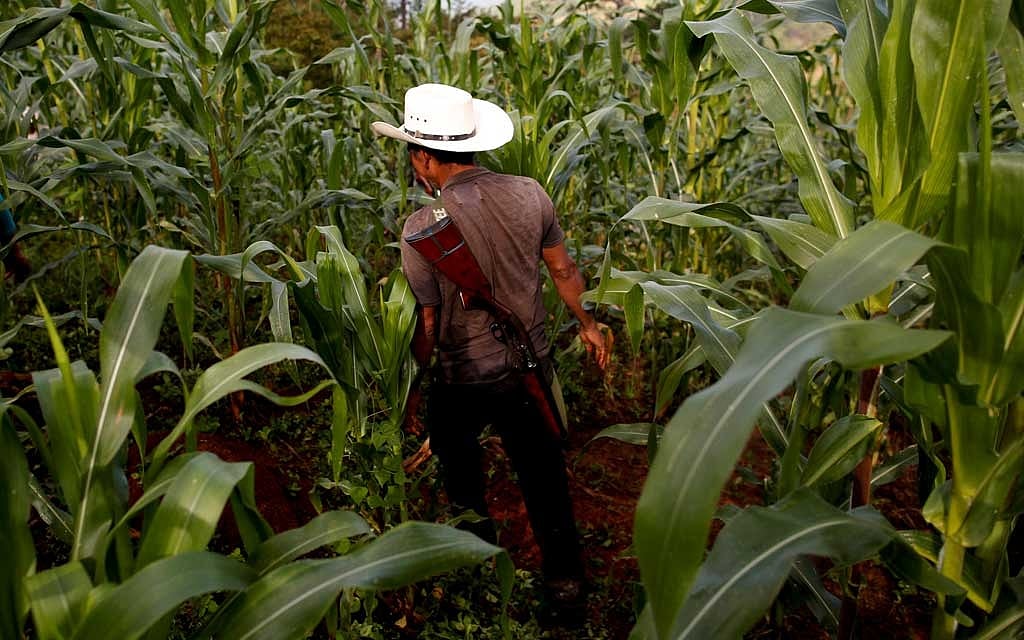
Poppy farmer Francisco Santiago Clemente walks in a corn field in Yucucani
Lopez Obrador has backed a legislative bill to legalise marijuana, and along with the former head of Mexico's military and other members of his team, he suggested last autumn that legalising medical opium could be part of the solution.
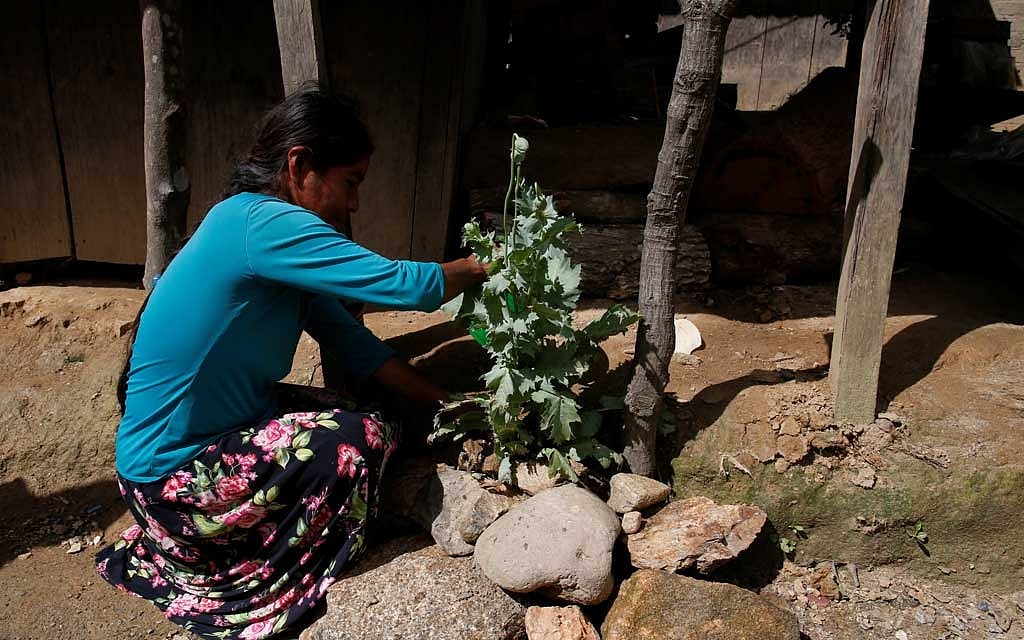
A woman tends to her opium poppy plant outside her house in Yucucani.
"WE ARE NOT TRAFFICKERS"
The farmers in Juquila Yucucani do not consider themselves criminals, and say current poppy eradication efforts by the army also sometimes destroy legal crops.
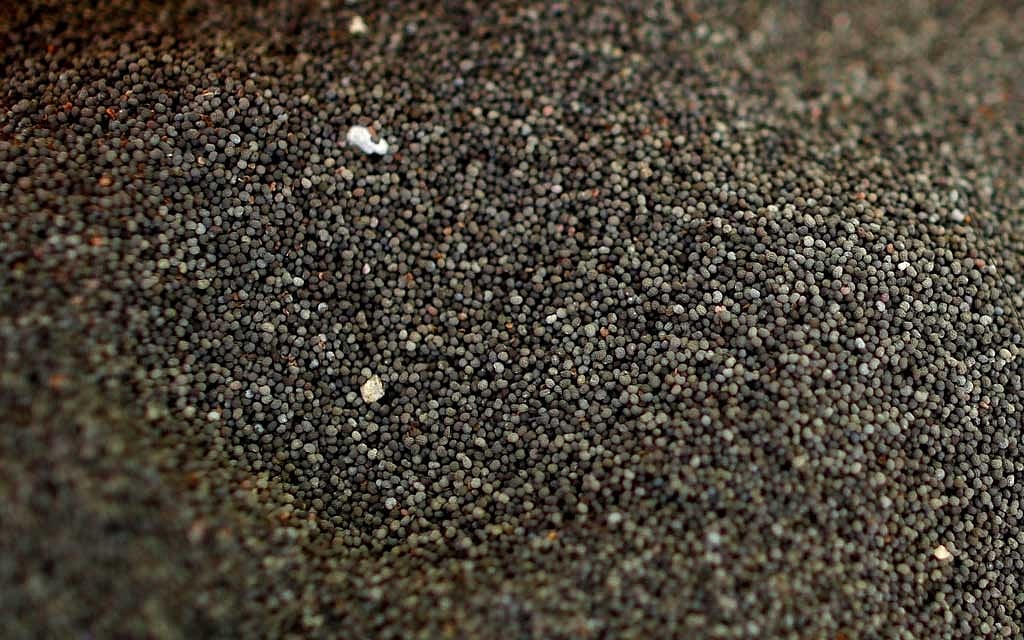
Seeds of the opium poppy plant
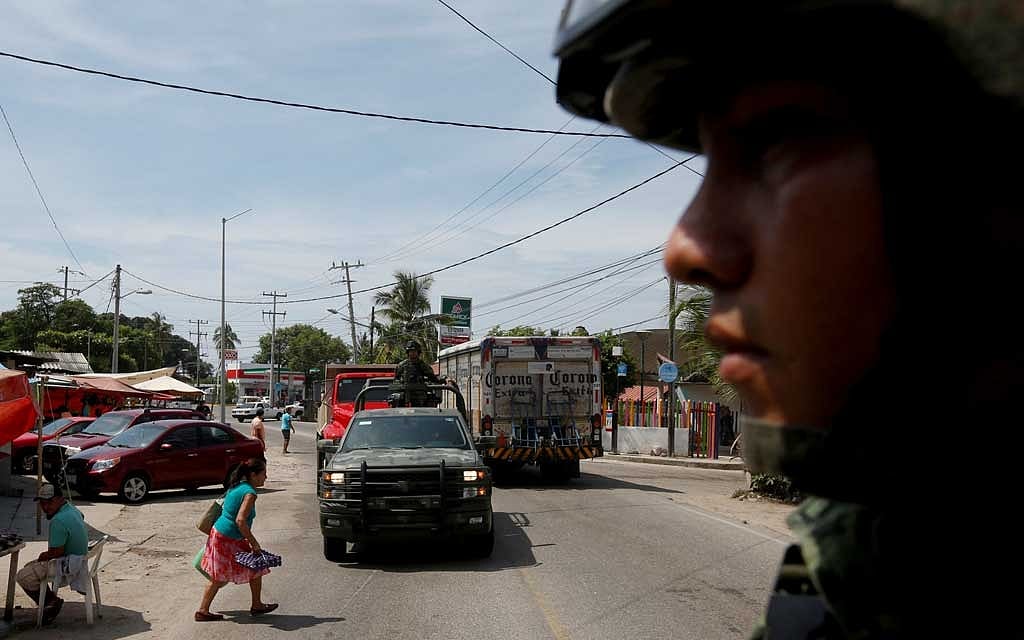
Soldiers patrol area on their way to the Sierra Madre del Sur
Nieves Garcia reacts next to her husband
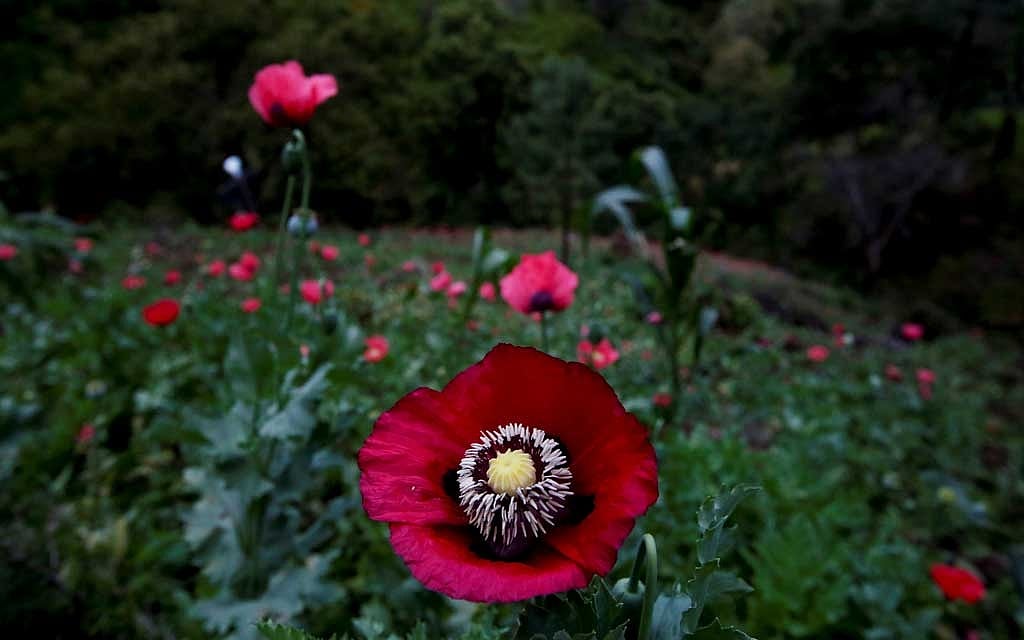
The flower of an opium poppy
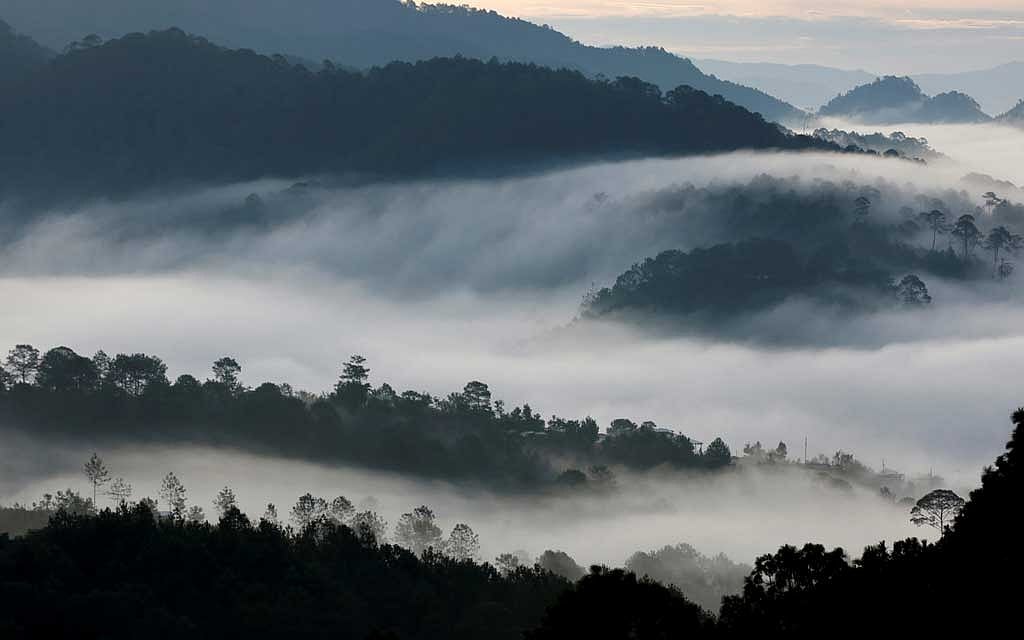
Clouds over the Sierra Madre del Sur







