


Published : 21 Feb 2015, 11:55 PM
Updated : 08 Aug 2022, 04:41 PM


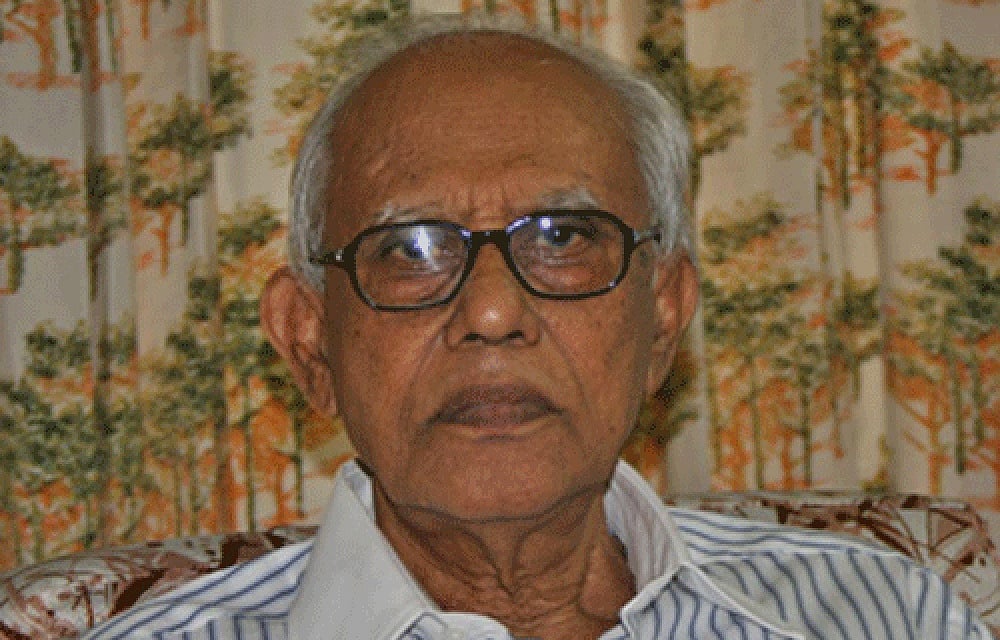
“If the top leaders of the country do not visit the martyrs monument, it tantamount to denouncing the Language Movement,” Ahmad Rafique told bdnews24.com Saturday.
“It means the Language Movement does not carry any significance to them,” he said.
Khaleda, whose party is enforcing a blockade across Bangladesh, did not go to the Central Shaheed Minar on Feb 21 to pay respect to the language martyrs.
But her press secretary told the media that she had taken part in a special prayer for the martyrs at her Gulshan office where she has been staying since Jan 3.
On this day in 1952, police shot dead several students protesters who were demanding of the then Pakistan government to recognise Bangla as one of the state language.
Rafique, who was a student at the Dhaka Medical College at that time, was involved with the movement from the very beginning. He has authored about 30 books.
He said, “The Jamaat[-e-Islami] dubs the Feb 21 programmes as that of Hindus. They don’t observe it. I thought the BNP was not like that.”
BNP’s key ally Jamaat says Islam does not permit going to Shaheed Minar to pay floral tributes. They always organise special prayers on the day.
Khaleda went to pay homage to language martyrs every year since joining politics.
But this time her adviser led her party’s supporters to pay tributes on Saturday morning.
Rafique said the BNP always spoke of Bangladeshi nationalism that includes Feb 21.
“This (skipping paying homage) is a disgrace to their (the BNP’s) core spirit. It reflects narrow-mindedness, individual-centric political practices.
“The Language Movement is not the legacy of Awami League alone. Other political parties including the then ruling Muslim League took part in it.
“Ekushey February belongs to Bengali nation, to everyone,” he said.
Rafique said he remembered hearing Khaleda Zia and her husband Ziaur Rahman talking about Bangladeshi nationalism in many of their speeches.
“I heard them saying in many of their addresses that Bangladesh’s Liberation War movement started with the Language Movement.
“Denying this now would mean denying their entities,” he added.













