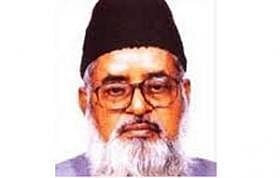
Full Subhan inquiry report deadlined
ICT-1 gives prosecution until Jan 6, 2013 to submit a full investigation report, or its progress, on Jamaat-e-Islami leader Abdus Subhan.
bdnews24.com News Service
bdnews24.com
Published :
11 Nov 2012, 02:18 PM
Updated :
09 Aug 2022, 04:29 PM
Dhaka, Nov 11 (bdnews24.com)—The first war crimes tribunal of Bangladesh on Sunday gave the prosecution until Jan 6, 2013 to submit a full investigation report, or its progress, on Jamaat-e-Islami leader Abdus Subhan.
Prosecutor Zead-Al-Malum said investigations were ongoing and had been fruitful with a number mass graves, killing fields found in and around Pabna, that Malum said only substantiated the prosecution's case against this former MP and a former member of the provincial assembly before the liberation.
The three-judge International Crimes Tribunal-1, set up to try crimes against humanity during the War of Independence in 1971, allowed the prosecution's prayer for more time to duly complete the investigation into Subhan's alleged role in 1971.
Following Subhan's arrest from Tangail in Sep 20, the tribunal ordered on Sep 23 that the Jamaat leader be produced before it on Sep 30. He was arrested on a 10-year old vandalism case.
Subhan was refused bail on Oct 2.
For the rest of the day, the tribunal heard Prosecutor Syed Haider Ali went through defence witnesses in favour of Jamaat executive council member Delwar Hossain Sayedee.
The prosecutor, having summed up evidence — exhibits, documents and witness testimony — to support the 20 war crimes charges that Sayedee is facing, went into discrediting the defence witnesses.
He went through the defence case that it tried to establish through the witnesses and pointed to the contradictory statements they had made.
The prosecutor said that the defence witnesses contradicted each other and sometimes themselves.
Sayedee's defence holds that this is a case of mistaken identity. The notorious Delwar Hossain, a collaborator of the Pakistan Army, had apparently been executed by freedom fighters soon after the war, and Sayedee had not even been living in the area at that time.
He was living in Jessore and then fled to a village in the district seeking safe shelter after the Pakistani troops began shelling the town. According to defence witness, the Jamaat leader lived in Jessore with two sons, but the prosecutor said that according to documents submitted to the Election Commission by Sayedee, he only had one son then.
The prosecution holds that the Sayedee indeed spent time in a village in Jessore but that was after the war when he had to go into hiding fearing retaliation from freedom fighters.
The prosecutor has yet to complete his closing arguments and the tribunal wondered how much longer it would take him. The tribunal Chairman, Justice Mohammad Nizamul Huq reminded him that he had already taken several sessions.
The prosecutor got the message and indicated that he would try and wrap up his argument as soon as possible. Haider Ali is set resume on Monday.
First case to trial
Sayedee's is the first case to proceed to the trial stage in the war crimes tribunals. The prosecution on Sep 4, 2011 proposed framing of charges against him on 31 counts of crimes against humanity.
The tribunal also sent Jamaat's former chief Ghulam Azam to jail on Jan 11. His indictment hearing began on Feb 15 and the court charged him on May 13.
Jamaat chief Matiur Rahman Nizami, Secretary General Ali Ahsan Mohammad Mujaheed and assistant secretaries general Mohammad Kamaruzzaman and Abdul Quader Molla are also behind bars on war crimes charges. Jamaat financier Mir Quasem Ali was also arrested recently on similar charges as investigation continues into allegations against him.
BNP MP and Standing Committee member, Salauddin Quader Chowdhury, also behind bars, was indicted for 23 charges on Apr 4.
Former BNP lawmaker and minister Abdul Alim is the only one out on bail. All cases have already entered the trial phase.
bdnews24.com/ta/bd/2002h